©️ Anne-Marie Fawcett 2020
Richard Ashton has donated to me these photos from his father’s collection. I’ve put together a little about Richard’s family and their connections to Ossett.
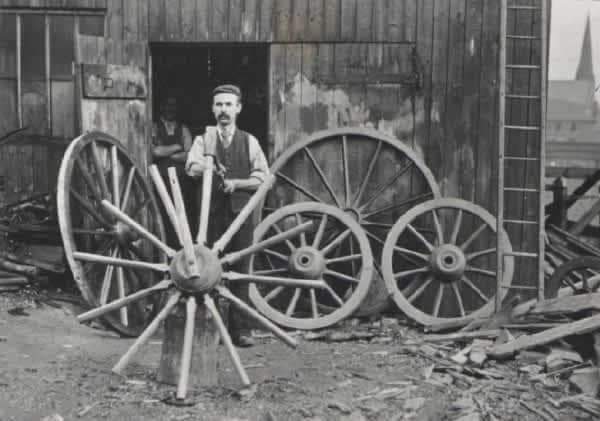
Richard’s great grandfather was Walter Ashton. Here he is, standing in front of his shop on Prospect Road where he was a wheelwright.
©️ Richard Ashton
“Walter was also my great grandfather. My mother Muriel (who is now 98 years old) is Walter’s granddaughter. Her father, Arthur was Walter’s second eldest child and younger brother of Charles. Arthur and younger brother Walter Jnr worked with their father in the family business as his wheelwrights. Ernest the youngest son who can be seen leaning out of the cab window was the painter and signwriter. The wagon was built entirely from blueprints for Langley Brothers, Ossett. When completed the chassis was brought into Walter’s yard, and when the bodywork was lowered onto the chassis it was said that all bolt holes fitted perfectly. We believe the wagon was the first Leyland in the country. I think the photo is First World War years because Arthur and Walter Jnr are absent from the photo (they both served in the Great War) but I may be wrong with the date. As Walter’s business expanded from the early 1900’s he moved from Prospect Road to Market Place, and then to premises seen on the photo (below) behind the original Woburn House which stood on the site now occupied by Iceland. The family lived in the cottage adjacent to the workshops. Part of the access road to the premises is visible from the precinct; the ginnel in-between Iceland and the old Bank.”
MICHAEL WOOD
September 2020

©️ Michael Wood
WALTER ASHTON (1st Generation)
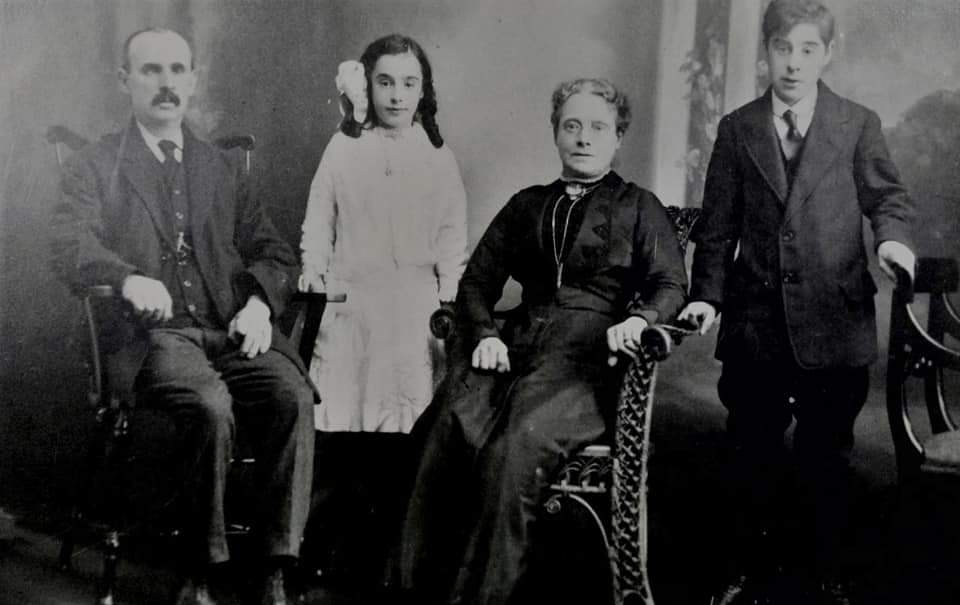
Walter was born in Wakefield in 1863 to Charles and Mary (née Giglow). On Christmas Day 1888 he married 23 year old Jane Hallas, who also lived in Wakefield. Their first son, Charles, was born in Wakefield in May the following year. A year later and the family had moved to Ossett and Stithy Street, where their second son Arthur was born. Another son, William, followed in 1893 and by the time their third son, Walter jnr, was born in 1896 they were living at Little Field. Ernest arrived in 1902 and their only daughter Nora was born in 1905.
©️ Richard Ashton
Three of Walter’s five sons worked in the family business, which was expanded to become a vehicle body building shop, at 3 Bank Street, on the site of what is now Iceland supermarket. The Ashtons built wagons, carts and wheelbarrows for a number of Ossett businesses, including the Co-op and Langley Brothers, mungo manufacturers. In later years the Ashtons lived at 14 Church Street.
CHARLES ASHTON (2nd Generation)
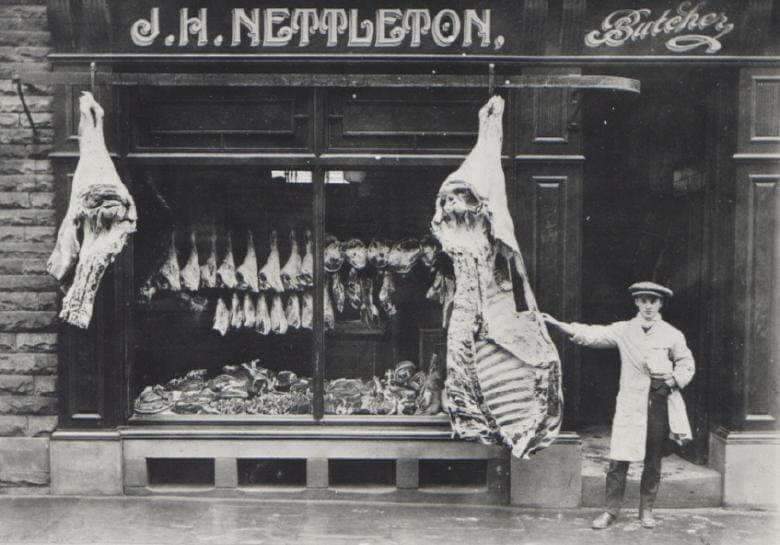

Richard’s grandfather Charles Ashton didn’t join the family business. Instead he served as an apprentice to JH Nettleton’s butchers.
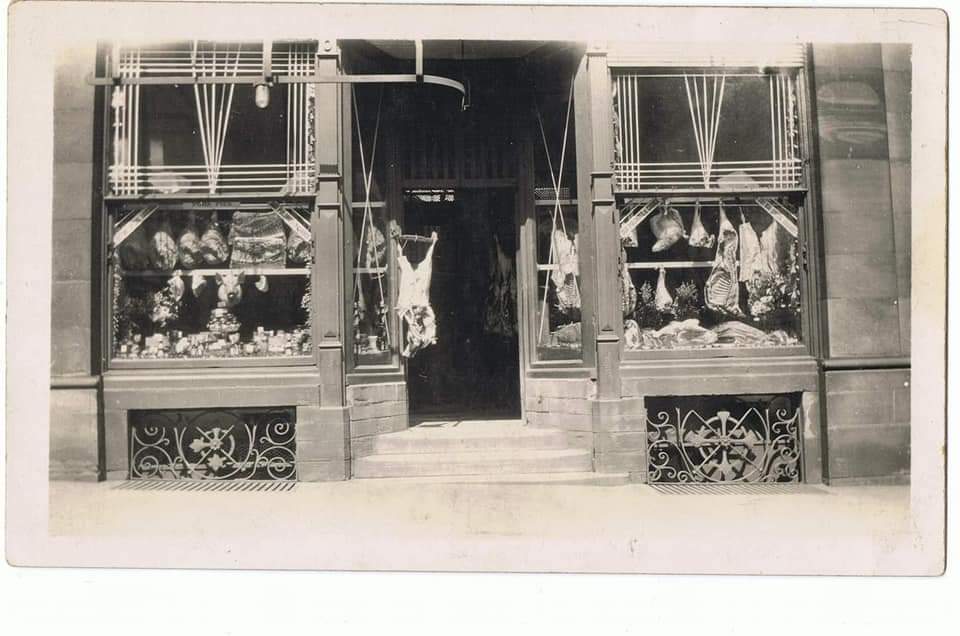
Although Charles was born in Wakefield, he was baptised at Holy Trinity Church when he was 5 years old. In October 1912 he married Beatrice Maud Lucas and they had three children. Charles went on to become the manager of the Ossett Co-op butchers department and the family lived at “Crown Lands Cottages”, Kingsway. (Crown Lands Cottages is 100 Kingsway).
©️ Richard Ashton


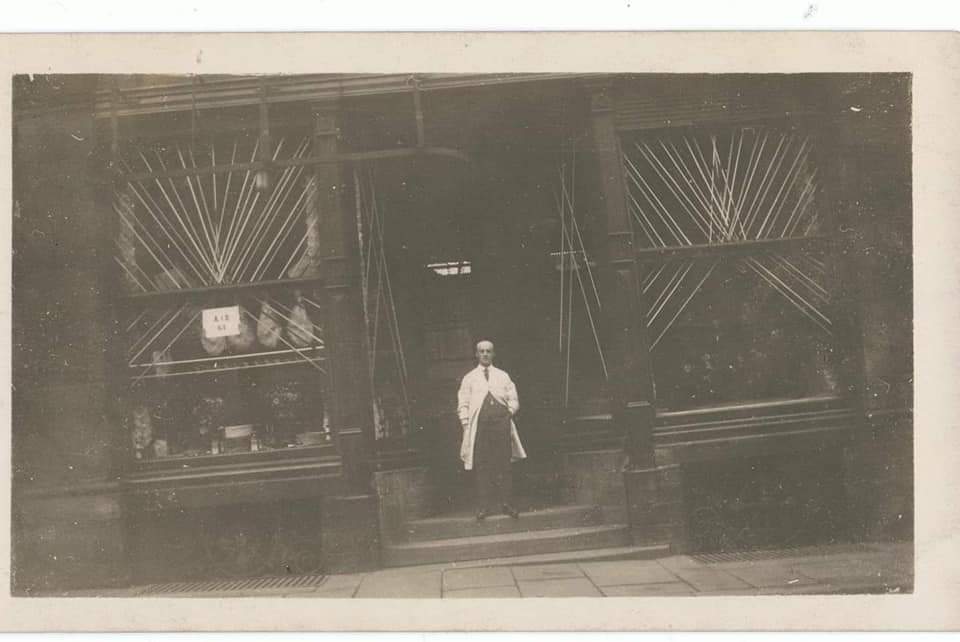
the manager of the Co Op butcher’s department during the 1930s.
©️ Richard Ashton
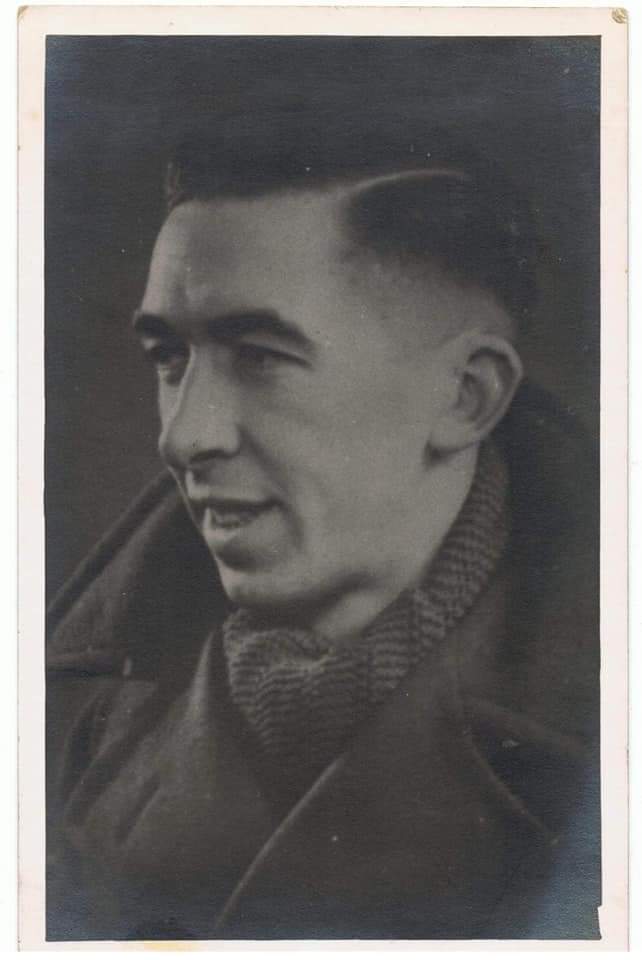
GEORGE ASHTON (3rd Generation)

©️ Richard Ashton
Richard’s father, George, was born in Ossett on July 13 1918. On July 15 1939, just two days after his 21st birthday, George Alfred Ashton enlisted at Pontefract “for the duration of the emergency”. George joined the Hallamshire Battalion of the York and Lancaster Regiment.
On September 3, 1939, the day Britain declared war on Germany after the invasion of Poland two days earlier, Winston Churchill was appointed First Lord of the Admiralty, returning to the old post he had left dejected after the ill-fated Gallipoli campaign of World War I; he joined the War Cabinet the next day.
Churchill had several pressing concerns before him, including the inadequate defenses of the Royal Navy’s anchorage at Scapa Flow and the shortage of destroyers, but top of the list was Norway and how to stop the Germans from using its territorial waters to gain access to the Atlantic and the convoy routes.
Churchill was still pressing the War Cabinet. His memorandum began, “The effectual stoppage of the Norwegian ore supplies to Germany ranks as a major offensive operation of the war. No other measure is open to us for many months to come which gives so good a chance of abridging the waste and destruction of the conflict, or of perhaps preventing the vast slaughter which will attend the grapple of the main armies.”
https://warfarehistorynetwork.com/article/overrunning-norway/
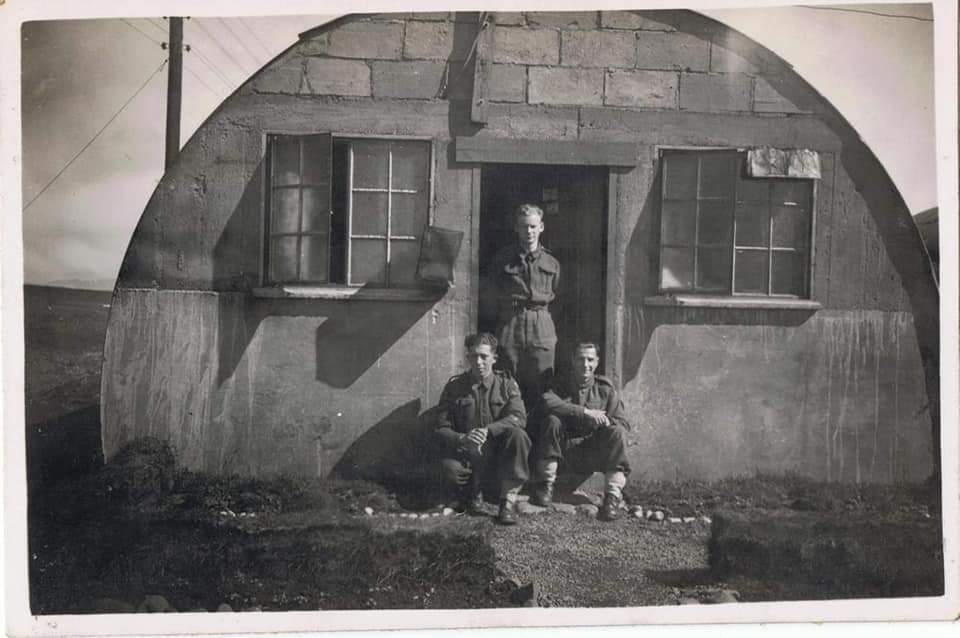
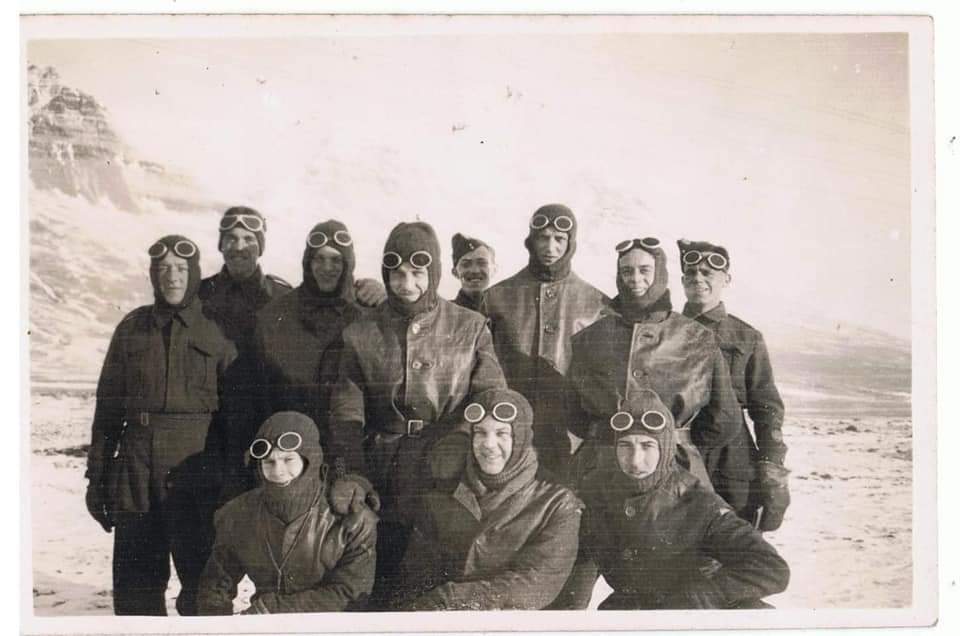
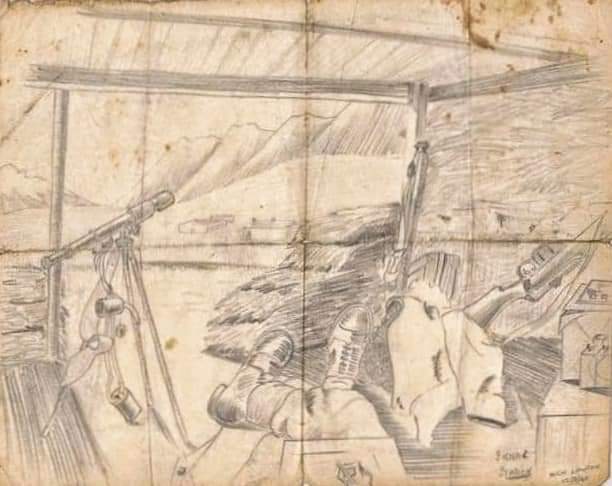
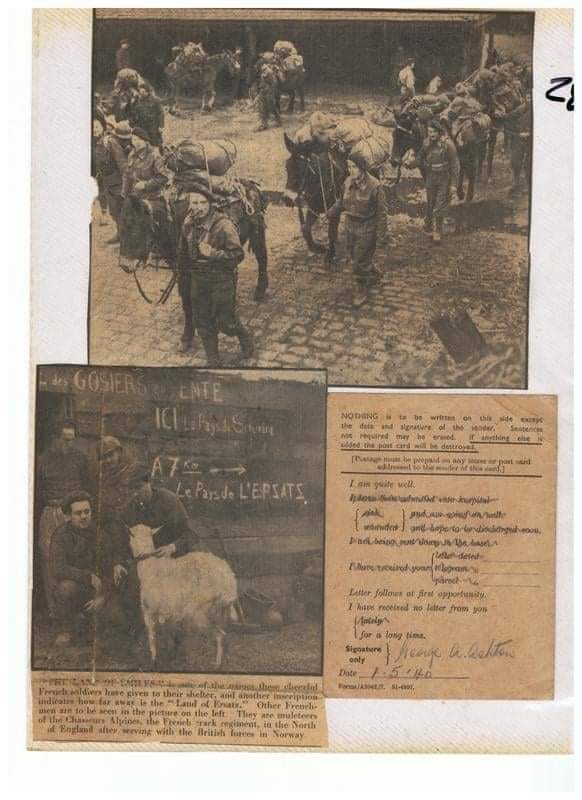
The Hallamshire Battalion were a part of Mauriceforce (Norwegian Campaign) in Norway in April 1940. Many of the photos from George Ashton’s collection were taken in Norway where he was a part of the Iceland ‘C’ Force. The campaign in Norway saw some of the first combined operations of World War ll, with naval, air and land forces cooperating in coordinated attacks.
Throughout the war, British officers referred to the country as Iceland (C) on Churchill’s orders – because, early in the war, someone had mistakenly sent a ship to Ireland instead of Iceland! By the time British forces left Iceland, in the summer of 1941, there were over 25,000 troops stationed there.
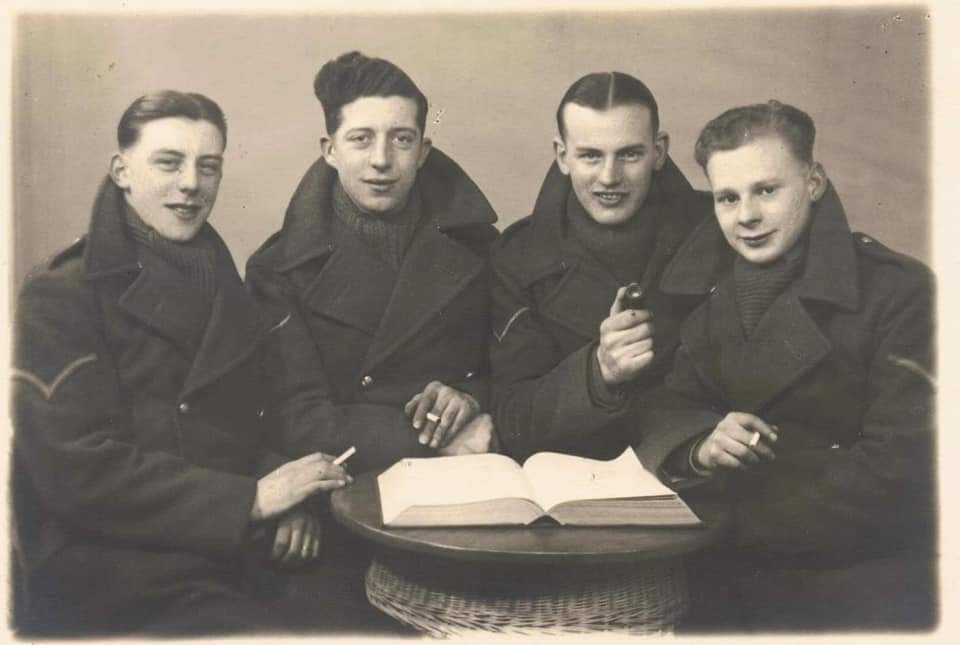
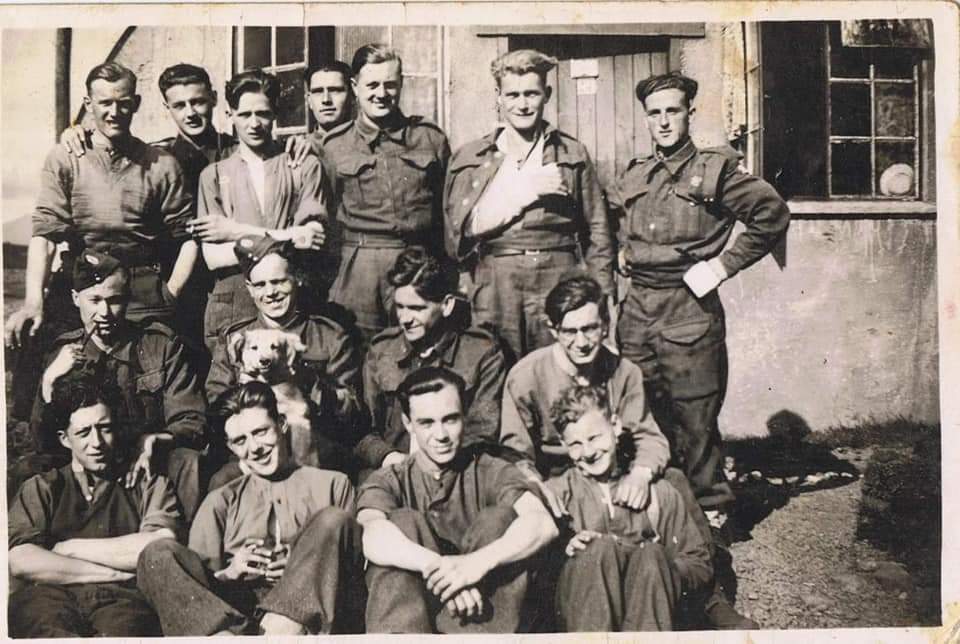
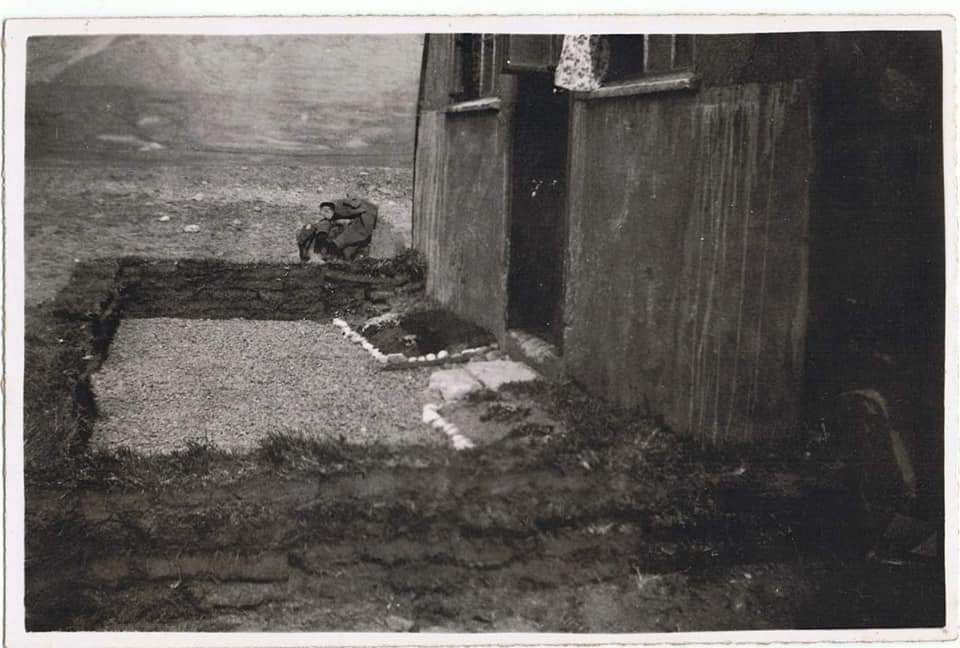

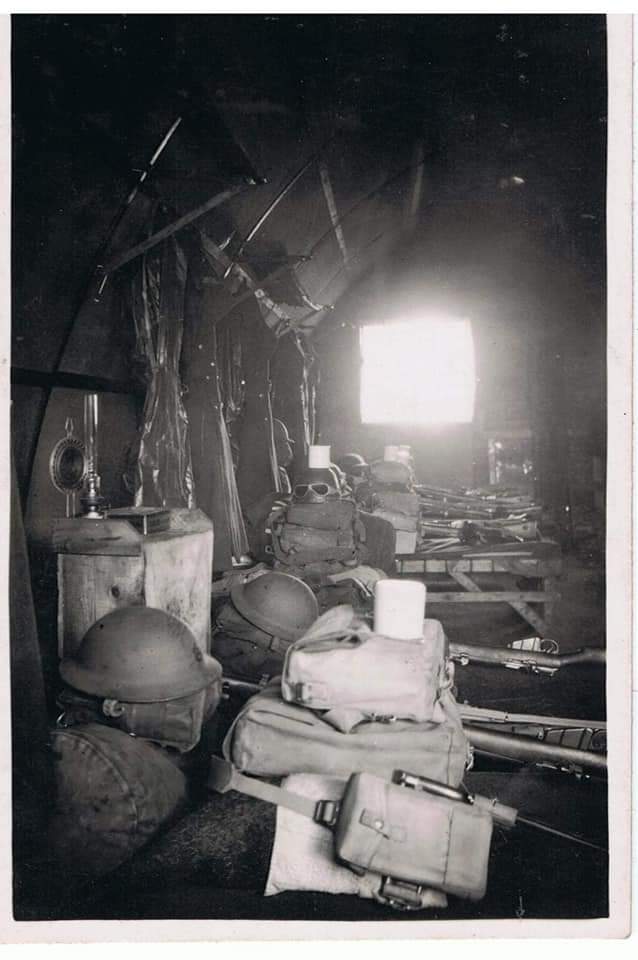
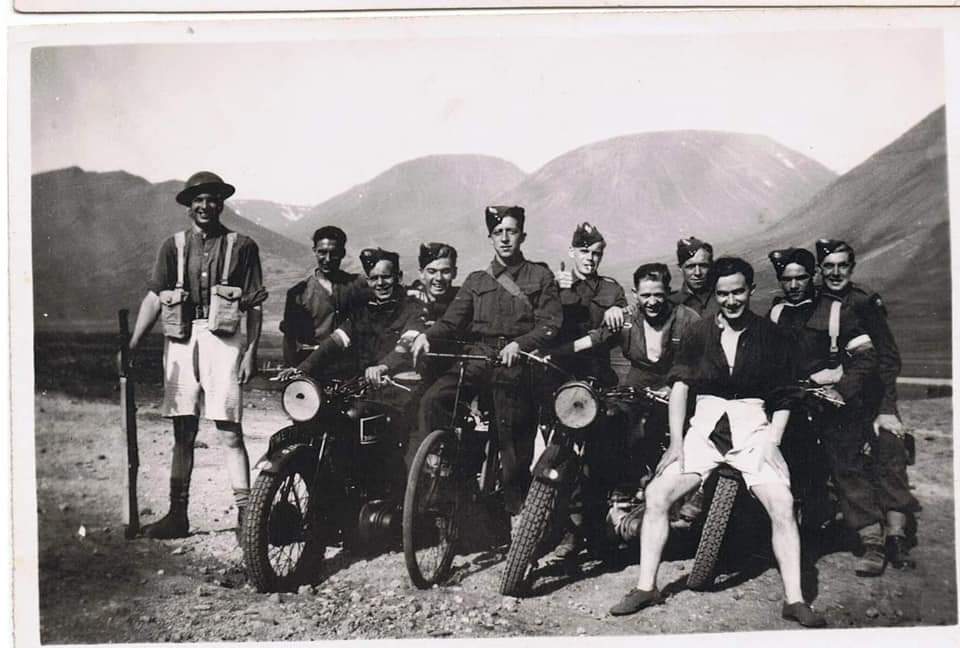
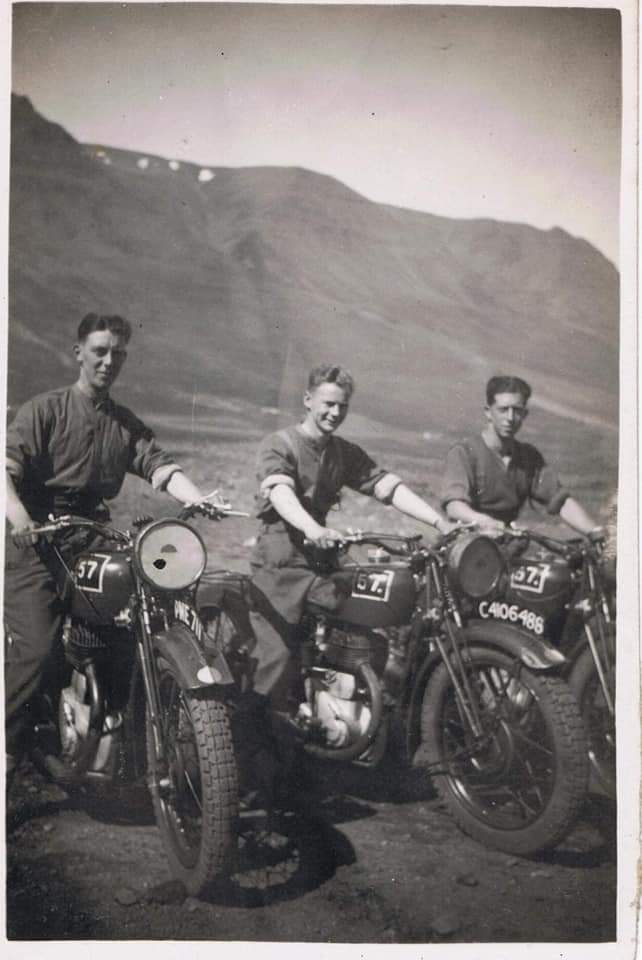
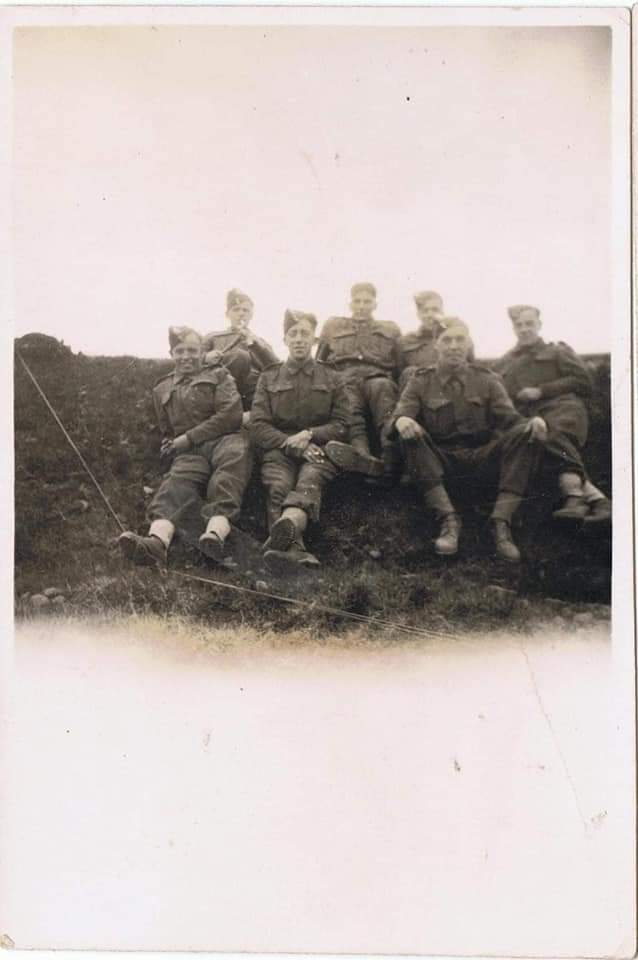

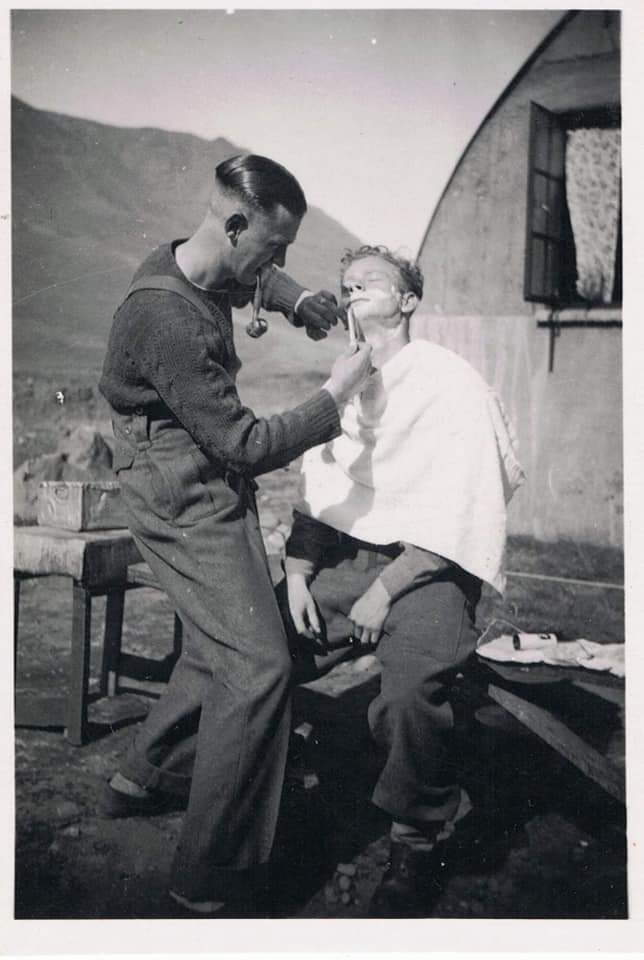
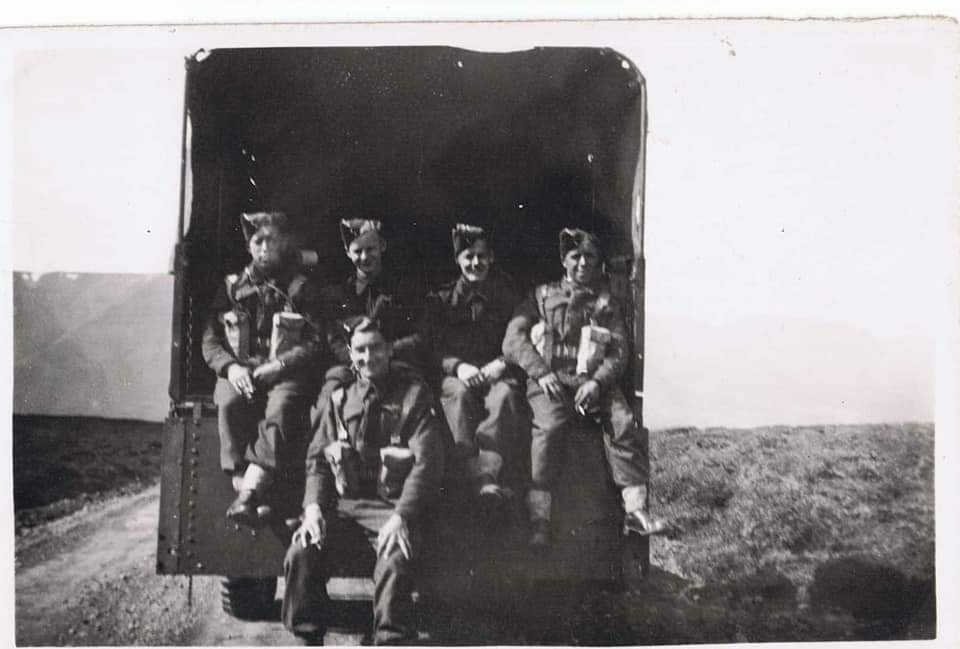
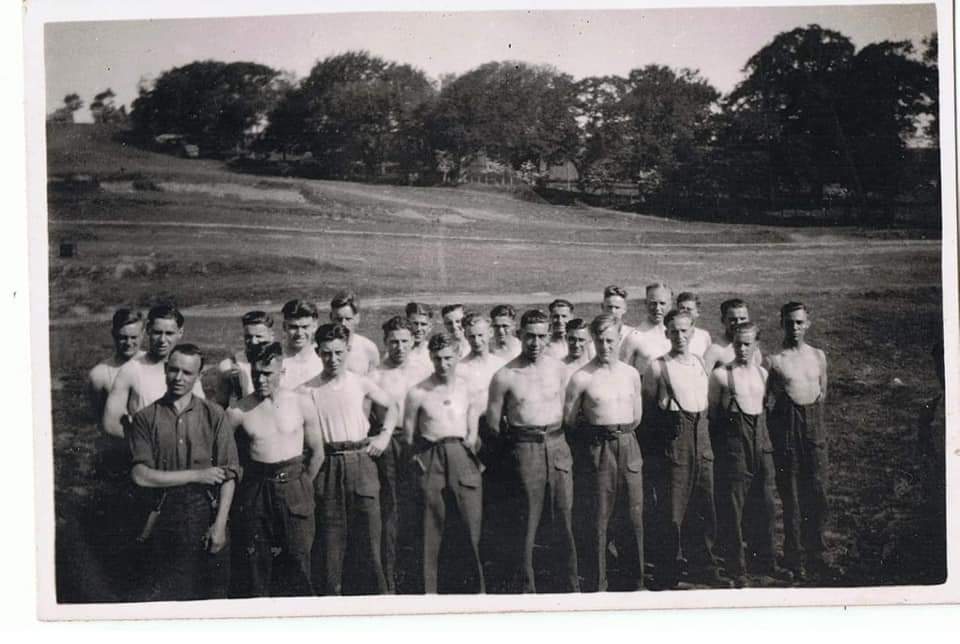


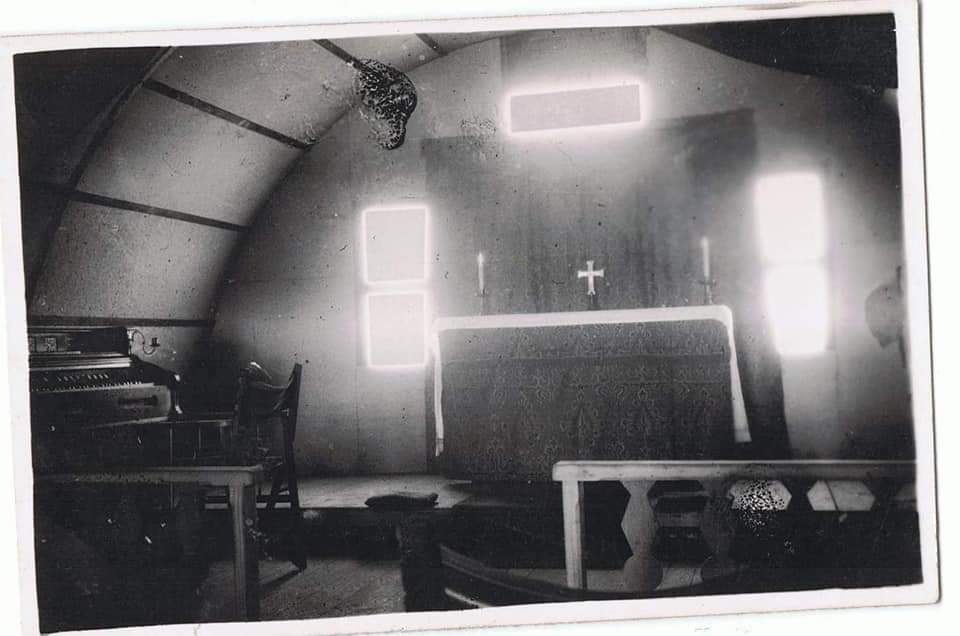


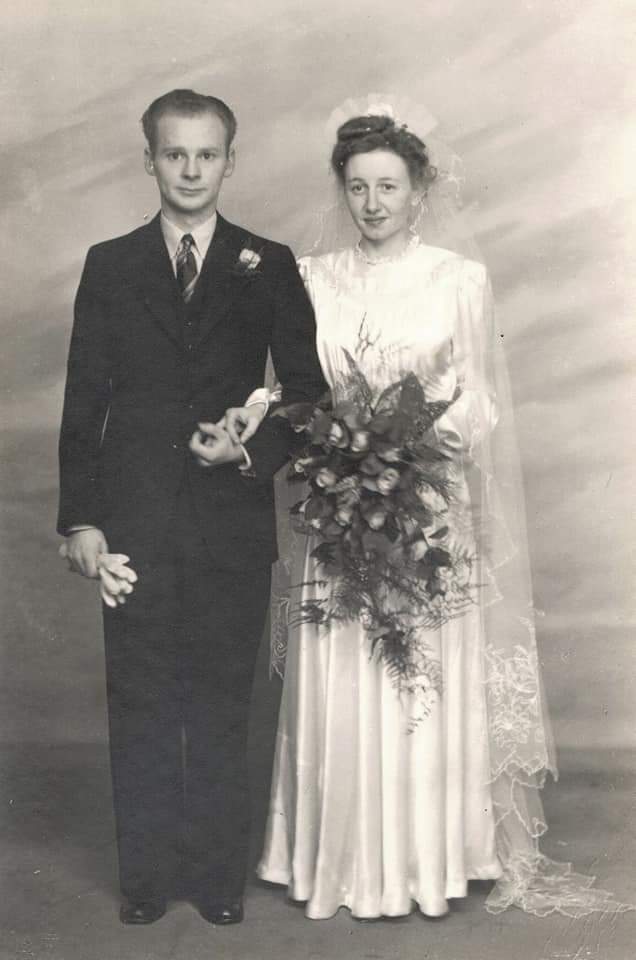
In late 1942 George was seconded to Catterick as a Signals instructor. Later he rejoined his battalion in France. A month later he was wounded and consequently discharged and sent home.
©️ Richard Ashton
Eleven years later George and Doreen moved their family to South Africa. That must have been quite a trip – all the children were under 10 years of age and their youngest child was less than a year old. They subsequently moved to New Zealand where, in 1977, George and Doreen gained citizenship.
Although Richard Ashton lives in New Zealand, he was born at 34 Wesley Street, Ossett.
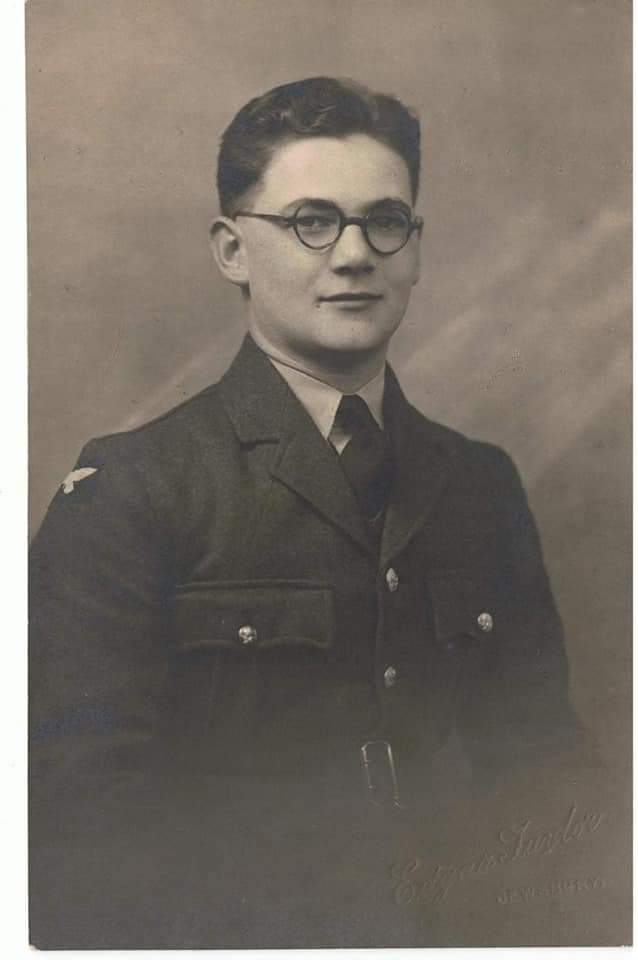
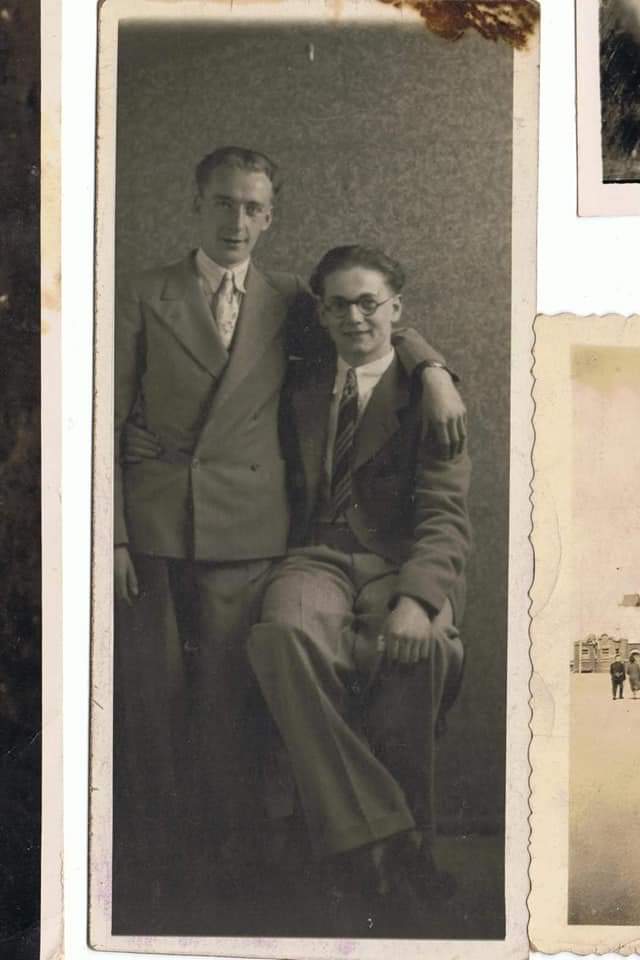
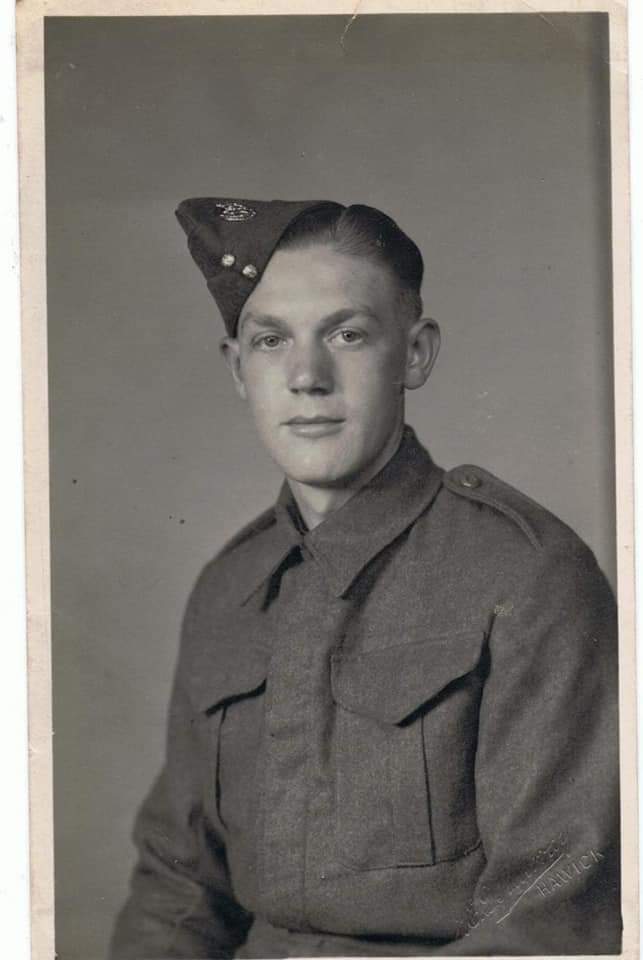
Below is a group of photos that remain unidentified. Are you able to name anyone? Please email me at: horburyandossettfamilyhistory@gmail.com

 HORBURY & OSSETT FAMILY & LOCAL HISTORY