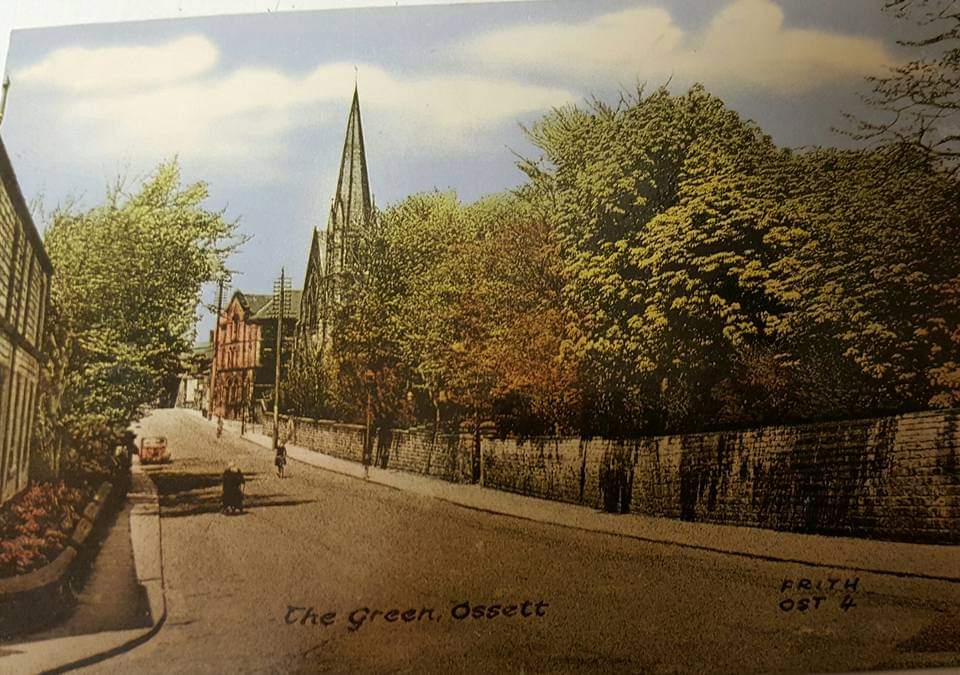
On October 4 1683, eleven Ossett people were prosecuted at Wakefield for being Dissenters. One of the latter, John Rider, refused to take the Oath of Allegiance and was fined £100 and sent to York Castle until the fine was paid. When the laws requiring attendance at the established church were eased on May 24 1689, two Ossett Dissenters, John Bradford and John Atacke, promptly applied for permission to hold meetings in their own houses and this was granted on October 8 1689.
The Toleration Act of 1689 made by the Parliament of England gave all non-conformists, except Roman Catholics, freedom of worship, thus rewarding Protestant dissenters for their refusal to side with James II. They had to promise to be loyal to the British ruler and their heirs.
Between 1691 and 1710 some 2,536 dissenting places of worship were licensed in England.
In Ossett, Richard Foster set aside part of his pressing shop for Thomas Dickenson, a nonconformist minister from Northowram, to preach. Thomas Dickenson married Hannah Foster, of Ossett, and together they had twelve children. He died on December 26 1743, having been minister forty-one years. His tombstone is still at Northowram.
These Ossett dissenters were described in ‘Two Centuries of Worship & Work’, (a book published in 1917 as a short history of the chapel), as ‘thoughtful,hard headed men in whom the emotional was not so strongly developed as the intellectual’.
Nonconformist: any English Protestant who does not conform to the doctrines or practices of the established Church of England. The word Nonconformist was first used in the penal acts following the Restoration of the monarchy (1660) and the Act of Uniformity (1662) to describe the conventicles (places of worship) of the congregations that had separated from the Church of England (Separatists). Nonconformists are also called Dissenters.
RICHARD FOSTER
Born in Ossett, Richard Foster (c.1648 – September 17 1730), was an independent dissident and cloth merchant. He was the son of Dame Foster (1614-February 2 1709) and Richard Foster (1623-September 20 1710), both of Ossett. His parents married around 1648 at a time of great change, as a result of the reign of Henry VIII of England. Richard Foster married Hannah Burnet Jackson (1658-1724) on January 23 1687 in Bilston and together they had seven children: Stephen Foster of London (1682-1719), Joseph Foster of Ossett (1693-?), Richard Foster of Flanshaw Lane (1686-1729), Hannah Foster (1674-1763), Benjamin Foster of New York (1699-1735), Elizabeth Foster (c.1685-1740) and Mary Foster (1693-1760). The Nonconformist Register, the register comprising numerous notices of Puritans in and around Yorkshire, started by Oliver Heywood (1630-1702) and continued by the Reverend Thomas Dickenson (1669-1743), describes Richard Foster as follows: Mr. Richard Foster of Ossett, my dear and honorable father-in-law, died on September 17 after suffering severe strangulation pain for a considerable time, he had been of great help as a Christian and as a merchant.’
A document that has been passed down through the generations is a letter written byThomas Dickenson, to his granddaughter in 1731 that references his father-in-law Richard Foster: ‘He feared God from his youth and over many, surpassed many others in gifts and knowledge, and God honored him by making him eminent in grace and usefulness as well. He was a solid and judicious Christian, strictly pious and devoted in his duty to God, and conscientious in his dealings with men.’
My dear child, in response to your earnest and repeated request, I have at last redeemed some time from my other necessary and urgent occasions to transcribe the sermon that I preached at Ossett on September 18, 1730, being the day my Dear and honored father-in-law, your good grandfather, was taken to the grave, having finished his career in this world, at 78 years of age. Children and grandchildren can and should consider a great and valuable blessing to be the posterity of those who feared God, occupied their time and place in the world with good purposes and were useful in their generation.
The first chapel was described in The Dewsbury Reporter as being ‘a barn like structure with stabling for the horses of the many members who travelled some distance to worship ; the benches were of the high-backed type and some were twice the size and were occupied by the older part of the congregation or by those with large families.
A deed of trust drawn up in 1737 stated: ‘the trustees will seize a piece of land on Southwood Green with the facilities erected there, with the intention and purpose that said chapel or meeting house be used and always employed as a place of worship by dissident Protestants who resort there to hear prayers, sermons and other religious duties and for the ease and necessary reception of the congregation and for no other use, intention or purpose.
Source: geni.com

In 1719, Samuel Hanson agreed to be the regular pastor. He left Ossett in 1730 and was replaced in 1731 by Reverend Thomas Lightfoot of Long Houghton. In 1733 subscriptions were raised for the construction of a Congregational Chapel at The Green, Ossett.
In 1759, Rev Lightfoot was replaced by Richard Hodgson of Daventry (he wasn’t ordained until 1762). The Rev. George Haggerston of Hopton arrived in 1765 and served as a minister for twenty-two years. In 1788, the Rev. John Coulson of Yelverton became minister until 1793.
There was no minister for the two following years, but in 1795, the Reverend Thomas Taylor came to continue the work in Ossett. In 1806, Richard Foster, great-grandson of the first Richard Foster, officiated at the marriage of Reverend Thomas Taylor to Mary Rawson. Their son, Thomas Rawson Taylor, was born in Ossett in 1807. Mary and at least three of their children pre deceased Thomas and he died at Bradford in October 1853, aged 86 years.
THOMAS RAWSON TAYLOR
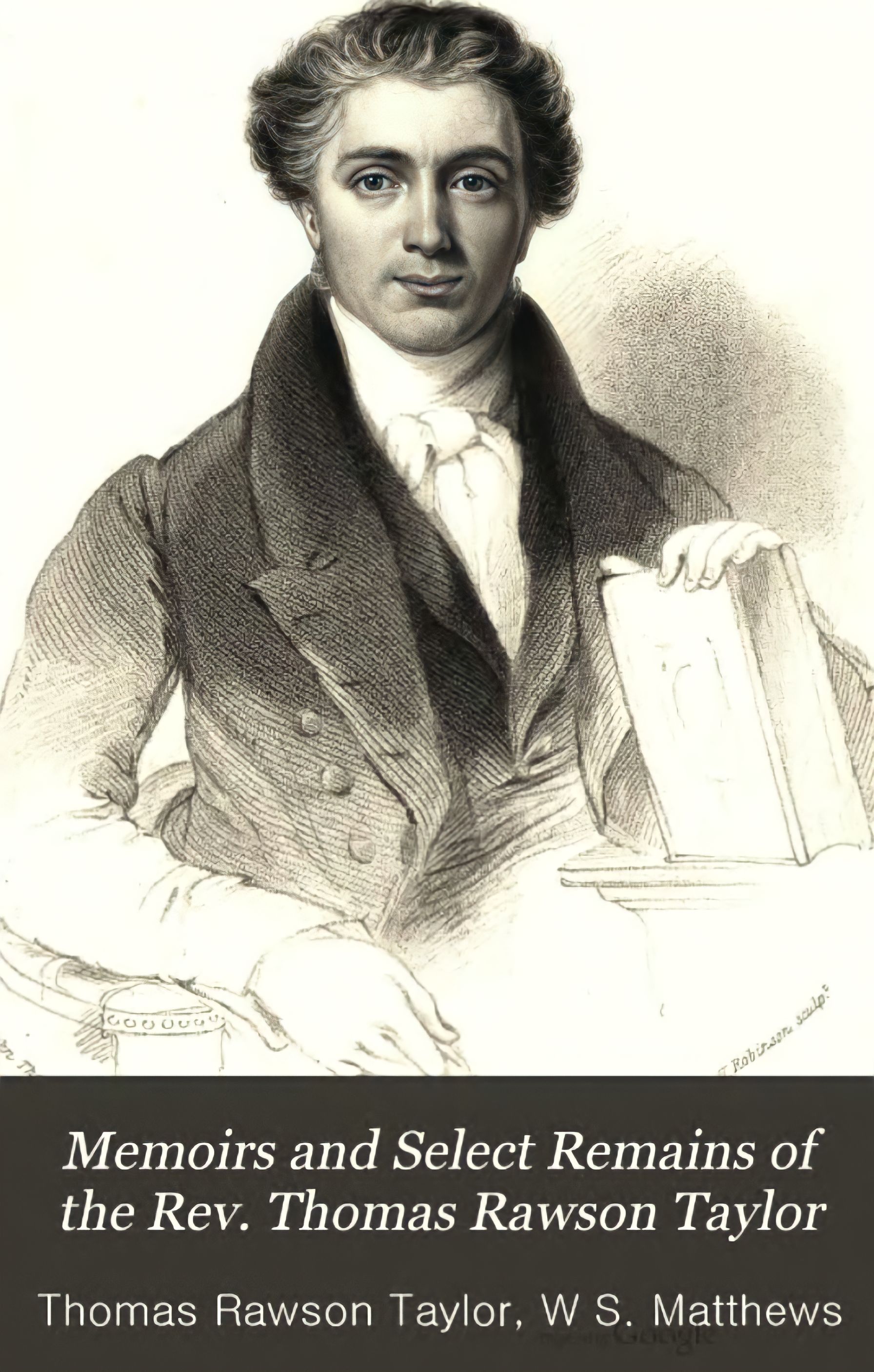
Thomas Rawson Taylor, son of the Reverend Thomas Taylor who was the minister at the Congregational Church on The Green, was born at Ossett on May 9 1807. The family left the area in 1808 and Thomas R was educated at the Free School, Bradford, then later the Leaf Square Academy, Manchester. From the age of 15 to 18 he was engaged, first in a merchant’s, and then in a printer’s office. Influenced by strong religious desires, he entered the Airedale Independent College at 18, to prepare for the Congregational ministry. His first and only charge was Howard Street Chapel, Sheffield. This he retained about six months, entering upon the charge in July 1830, and leaving it in the January following. For a short time he acted as classical tutor at Airedale College, but the failure of health which compelled him to leave Sheffield also necessitated his resigning his tutorship. He died March 7, 1835. A volume of his Memoirs and Select Remains, by W. S. Matthews, in which were several poems and a few hymns, was published in 1836. His best known hymn is “I’m but a stranger here”.
Source: Hymnary.org
.
Many years after the death of the Rev. Thomas Rawson Taylor, his words were set to music by Sir Arthur Seymour Sullivan who was not only one half of Gilbert and Sullivan but was also the composer of the music to ‘Onward Christian Soldiers’ by Horbury Bridge curate, Sabine Baring Gould (1834-1924).
Image Source: Hymnary.org

.
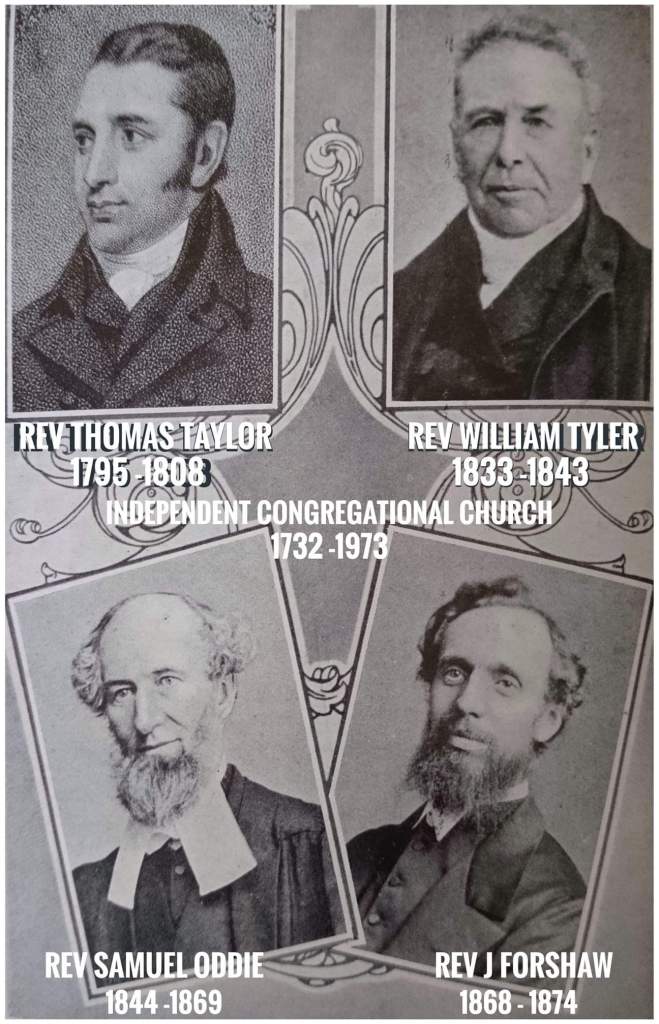
In 1808 the Rev. Robert Blake from Shelley took over the ministry. He resigned in 1813 and moved to Darwen before leaving England for America. In 1814. Rev. Samuel Neale became minister. In 1819 he left Ossett for London and the following year Rev. John Reeder replaced him until 1831, when he moved to Hamburgh. In 1833 Rev. William Tyler, from Keighley became minister; he resigned ten years later and moved to Whitchurch. In 1844 Rev. Samuel Oddie came from Elland. He was succeeded by Rev. J Folshaw in 1868.
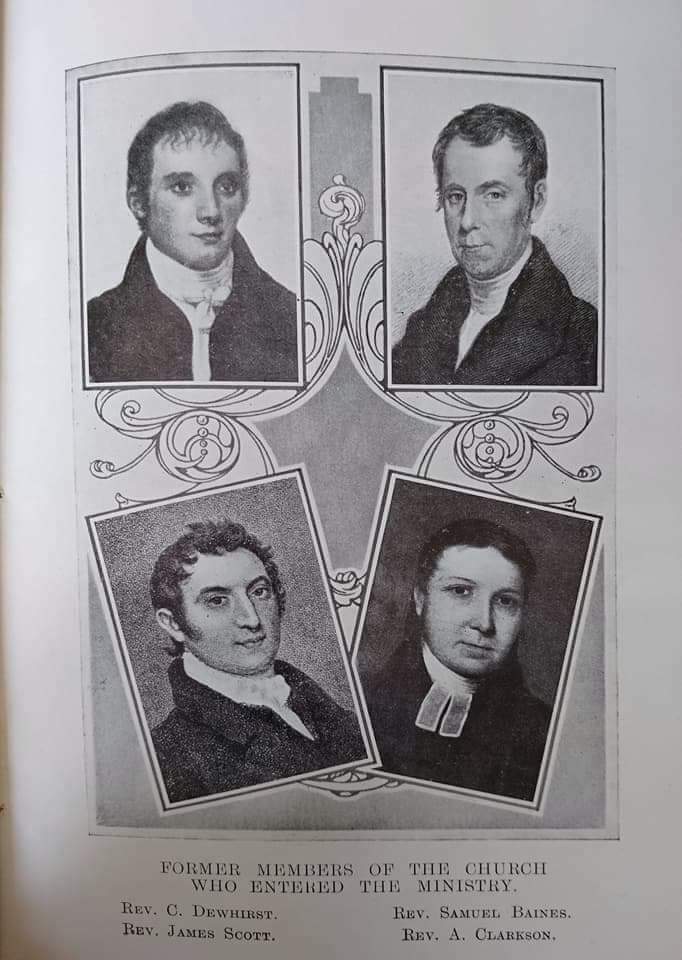

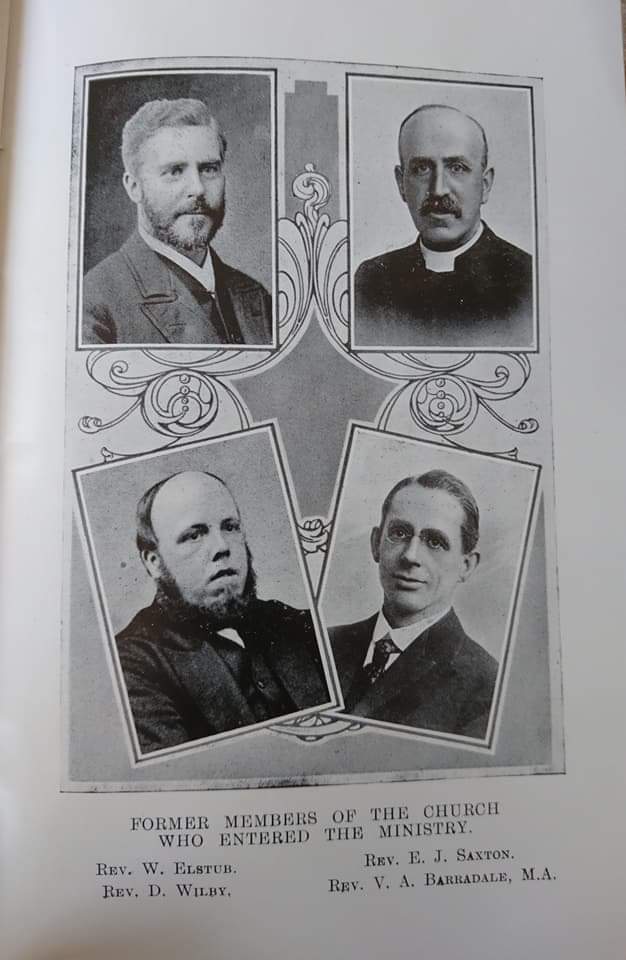
.
THE CONGREGATIONAL SUNDAY SCHOOL 1801-1973

The Congregational Sunday School at The Green commenced on Sunday April 21 1801, when the Rev. Thomas Taylor was the minister, and for 12 years the teaching was carried out in the chapel. In 1813 the first Sunday School was built, at a cost of £370 10s 2d.
The foundation stone of a new school was laid on May 24 1864 by Joseph Ellis, a former school superintendent. The total cost of the school was £294 11s 9d.

John Pollard and Enoch Pollard were the superintendents in 1901; Francis Giggal and George Bernard Lucas were the school secretaries. There were 26 male and 20 female teachers, and William Saberton, who was a teacher of the young men’s class, had celebrated his jubilee of service a year earlier.
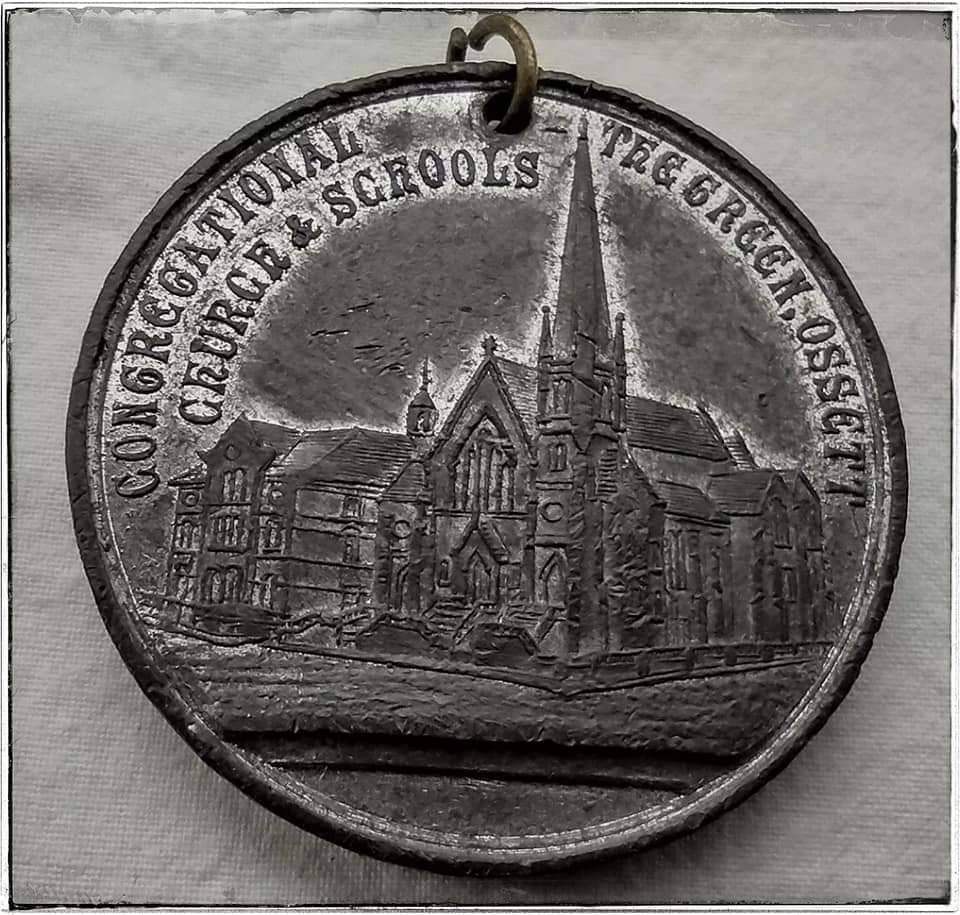

This medal was for sale on Ebay in January 2022. Its whereabouts are unknown.

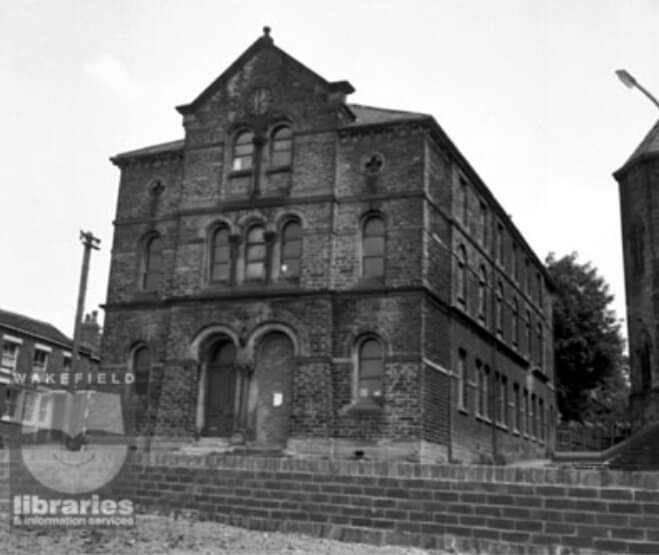
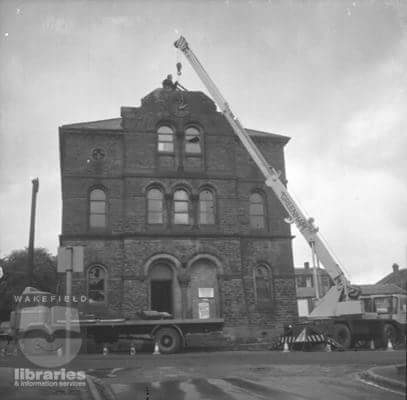
Source: Wakefield Libraries
THE BUILDING OF A NEW CHURCH
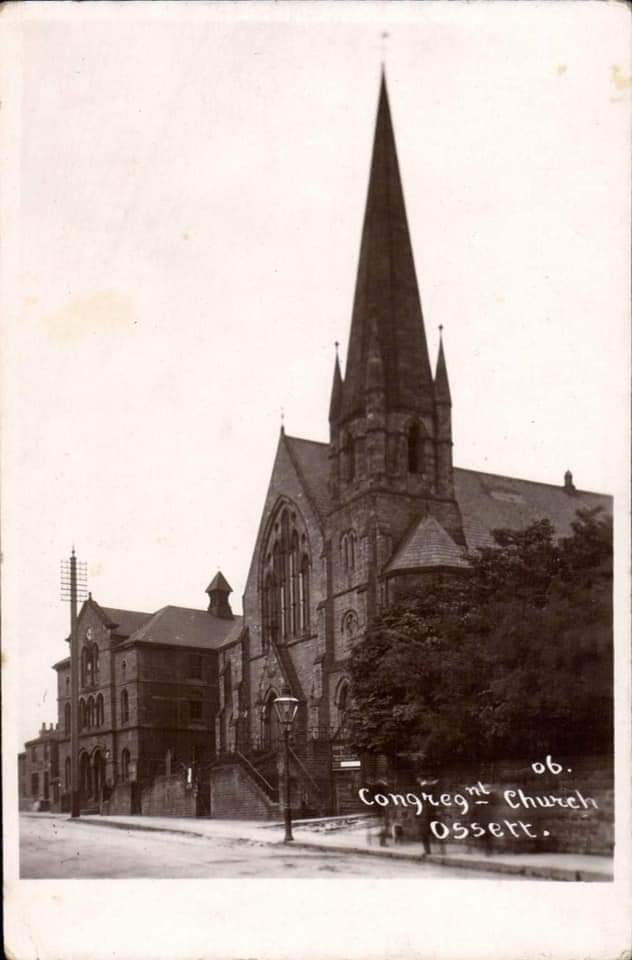
A third place of worship was built on this site and was in inaugurated on October 15 1883. The following is my transcription from the Batley Reporter, dated August 12 1882. (Anne-Marie)
Of the buildings in which they [the ministers] have officiated but little has been said. It is fitting, therefore, that some account should be given of them, and a description, necessarily brief, of the handsome and spacious structure which is now rising stone by stone on the old historic site.
The first was the pressing-shop, placed at the disposal of the infant Presbyterian congregation by Mr. Foster. [There is no record of the pressing shop in the church books or other documents to show what kind of an edifice it was, nor where it stood.] At the annual church tea meeting in 1881, Eli Pollard referred to it when he said: ‘‘In 1717 the first meeting place was opened. Was it a fine chapel such as we are about to build, with a spire on? No; if it had any elevation above the roof it would only be a chimney.” The building was used for nearly fourteen years, and gave place to a chapel, erected in 1733.
Described as a nearly square, somewhat barn like building – such as was common in the days when Nonconformity was struggling for existence – and had neither external architectural beauty nor internal convenient accommodation to recommend it, the chapel faced the main street, and it was bound on the north side by the path still existing, and which leads to the railway station and into the fields, and on the south by a building used chiefly for stables, a portion of which, there is reason to believe, formed the home of the Sunday school in its earliest days. At the rear was an open field, as at present, into which, by a clause in the deed of conveyance, workmen were permitted to go for the purpose of effecting any necessary repairs.
One of the aisles ran in front of the pulpit, which was placed against the wall on the north side. Underneath the pulpit was the clerk’s desk, an arrangement which at one time was very common in Congregational chapels. The singing pew was large and square, lower than the pulpit, and separated from it by the aisle. The pews were of the ordinary straight, somewhat high- backed, kind and a few of them were double the ordinary size and occupied by the wealthier portion of the congregation, or by those who had larger families than ordinary.
In front of the chapel was a small plot used as a burial ground. Interments took place within the chapel, the earliest being that of a venerable dame in 1735. The entry is in Dickenson’s Northowram registers:
July 11 1735 aged 89. Widw. Fothergill of Ossett, buried at the New Chapel.
There probably would be other deceased members of the congregation buried beneath the floor between that date and 1754, but, if so, no record exists. One for that year shows that on the 17th of February Mrs. Margaret Lightfoot, wife of the Rev. Thomas Lightfoot, the pastor, died, and that her remains lay there, he following her on November 3rd 1758. They were respectively fifty-four and sixty years.
The chapel was in use until 1849, when it was pulled down, but long before then it was found necessary to provide another place of burial, this being done by Mr. John Greenwood, in 1816. Interments were not discontinued then, as some of the monumental inscriptions show. The oldest legible in the little graveyard outside was the following, which occupied a position on the north side of the doorway of the last chapel.
Here lieth the body of Mary, wife of Joseph Hewit, of Ossett Green and daughter of Thomas Fozard, who departed this life the 8th day of October, 1736.
A loving wife, a friend most dear, A tender patient (sic) lieth here.
The rest of the inscription told that her husband and his second wife died on the same day, viz., September 30th 1826, he having attained the age of seventy-three years.
On the south side of the little area was, before the late demolition, a gravestone recording the deaths and interments of some members of the Dews family, but only these portions could be read, so decayed was the slab on which the inscriptions were cut. …
Luke Dews, who died May 24th, 1812, aged 40 years … Their son William died … 1815, aged 21 years. and their son John, died 1821, aged 20 years.
Next to this memorial, and close to the front wall of the chapel was another stone more defaced than its neighbour, so much so as to be quite undecipherable. Whether it occupied its original position may be doubted, for it had evidently been reduced in size by some mason in order to fit the place in which it was found.
In the old chapel and, it was presumed, in that which replaced it, was a monumental tablet placed in the north wall, with the following inscription carved on it:
Sacred to the memory of [the son of?] John and Jane Greenwood, of Sowood Green House, who died the 6th day of August, 1916, aged 14. He lived long enough to excite fond anticipations and to know the value of a Saviour’s biood ; then his Spirit took its flight into Eternity, to the great grief of his Relations and Friends.
Life’s a short summer. Man’s a flower, He dies alas, how soon he dies.
Also: To the memory of Grace, daughter to the above, who died the 28th day of December, 1916, aged 3 months.
Within the chapel were buried the remains of the Rev. George Haggerston, minister from 1765 to 1787, and whose death took place in 1792.
Much to the disappointment of the committee and the members of the congregation, no memorial was discovered in the shape of a foundation stone. It had been confidently expected that such would be revealed when the demolition was completed, and that within it would be found some interesting records placed there for the information of suceeeding generations, but unfortunately the builders of the edifice, and the then members of the church and congregation, were not mindful of those who had the next chapel to erect, and a valuable bit of local history is therefere wanting.
The building, like the one it supplanted, faced the main road. It was approached by a flight of steps leading across the tiny grave yard, and on entering a doorway supported by plain pilasters, the visitor found himself in a smal! vestibule, which gave access to the body chapel and the gallery, by stairs leading right and left. On the south side of the building were five square-headed windows above the gallery and four below ; and on thé north side were eleven in all, six above and five beneath. The pulpit stood near the east wall, and opposite was the singing pew of ample dimensions, The accommodation was for 700 people, includng children, many of whom were, at great inconvenience to themselves, placed in the south-east portion of the gallery. The pews, though an improvement doubtless upon those in the former chapel, were mainly constructed of the old wood, and were anything but poseful. The building was erected in 1850, and cost about £2,000, but, as has been painfully apparent during the time the workmen were engaged in pulling it down, much old material was used in its construction ; probably from motives of economy.
The reasons which led to the movement for the erection of another place of worship were thus stated by the Rev. J. P. Perkins, on the occasion of the laying of the foundation stone of the new chapel, on Whit Tuesday. “The old chapel was incommodious and inconvenient. We have often lost individuals and families, being unable to supply them with seats and sittings; and a rising school and an earnest desire to retain our young people have urged on our enterprise.” The last sermon was preached in it on the 27th of May [1882], and it thus closed a brief career of thirty-two years.
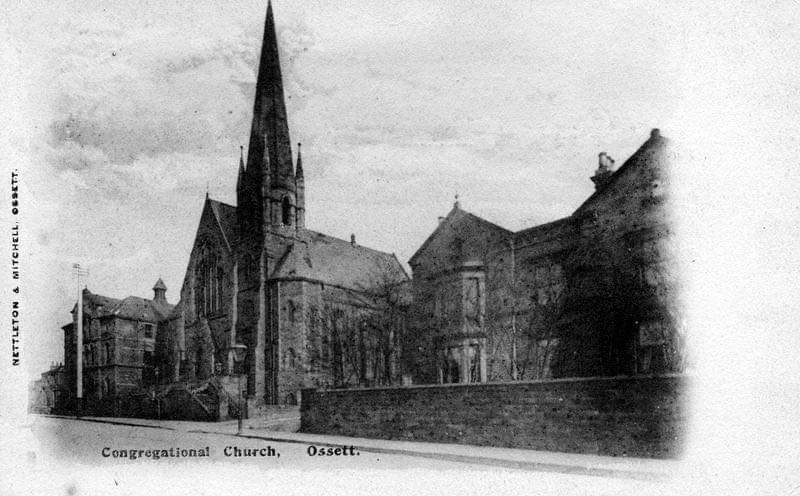
As to the building now in course of erection, it is to seat 1,200 persons, a proportion being children, and is estimated to cost £5,500. The basement will be occupied by six spacious classrooms, and above is the chapel proper, which is to consist of nave, aisles, transept, and choir. Access will be given by three flights of steps from the main road, and on a level from the footpath leading to the railway station. There are spacious vestibules from which staircases lead into the gallery. The style of architecture is the pointed Gothic, freely treated. The front has a gable seventy feet high, the chief feature in which is a spacious doorway in a projecting portal, and five lancet windows, with shafts, having carved capitals, the whole of the lights being comprised in an arch occupying most of the gable. At the right hand corner is to be a tower and spire, the point of the latter being forty yards above the level of the road. At the side of the tower, and at the opposite corner of the front of the chapel, are semi-octagonal projections, in which are the gallery staircases. The transepts project about eight feet, have double gables, and near them are double lance windows lighting the sides of the structure, which will certainly be a great ornament to the neighbourhood, and a credit to the church and congregation, who have, in the face of many difficulties, undertaken its erection.
The architect is Mr. J. P. Pritchett, Darlington, and the contractors Mr. Henry Sanderson, Messr. Horsnell and Heald, and Messrs. Hepworth and Spurr, Ossett ; Messrs. Jas. Booth and Sons, Batley ; Messrs. Taylor and Parsons, Bradford; Weeks and Co., London ; and Messrs. Pycock and Sons, Leeds,
Batley Reporter and Guardian
Saturday 12 August 1882.
Dewsbury Chronicle and West Riding Advertiser – Saturday 06 November 1886

.
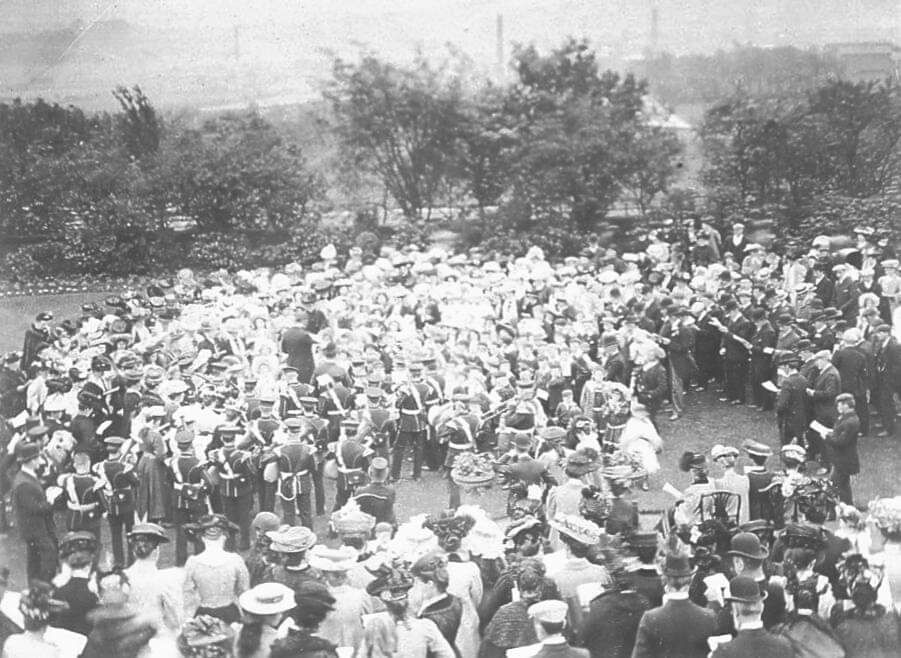
The Green Congregational Church feast. I think this might be looking towards Healey. Year unknown.
The Congregational Church Choir, The Green, Ossett. 1897. I’m grateful to Margaret Wilby for the loan of this photograph. The house is ‘Calder Villa’ at Healey and was built in 1882 for Eli Townend.

The Green Congregationalists in Ossett Market Place. Year unknown.

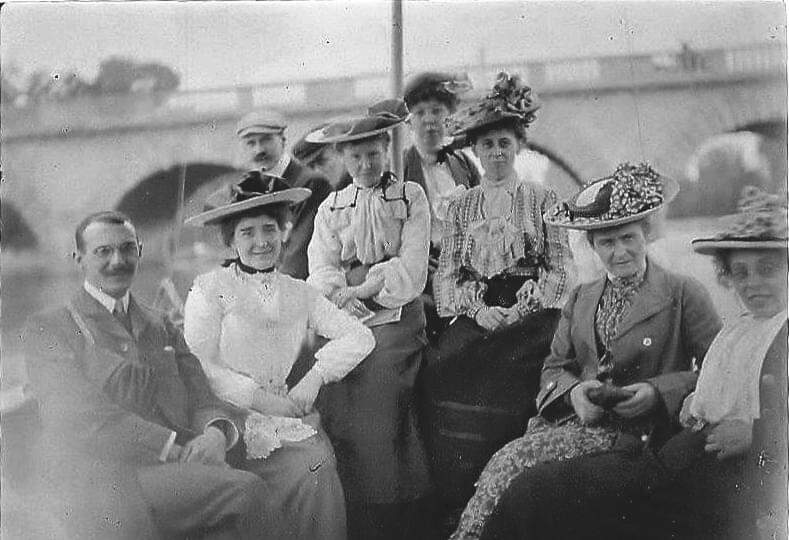
An unknown group from The Congregational Church on The Green. Please get in touch if you can identify anyone.
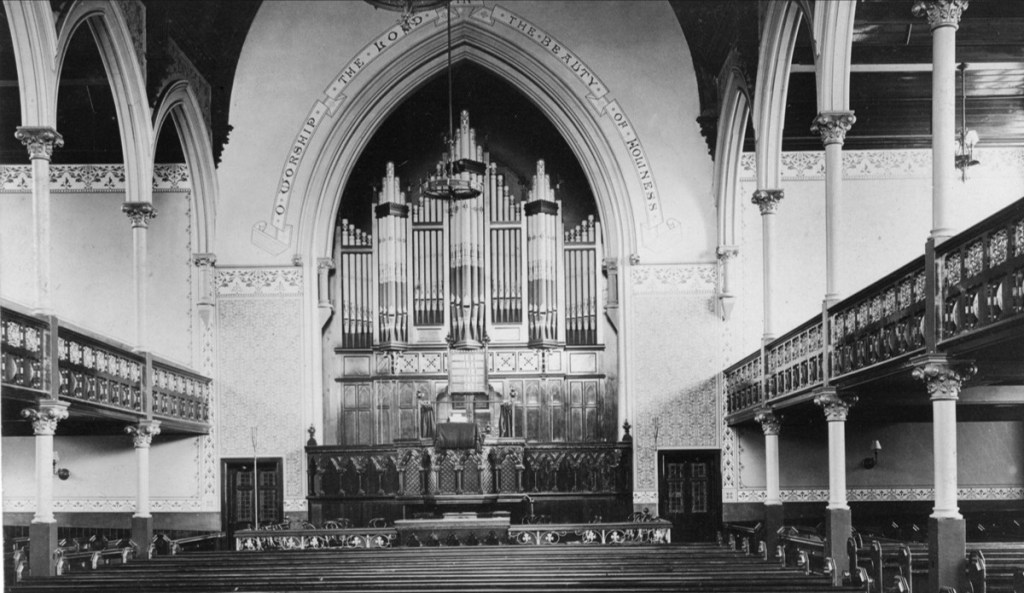
This popular postcard, shows the interior of the church in 1910.

A different angle of the interior. Courtesy of the Outwood Community Website.
In 1917 the Rev John Gomer Williams, minister of Ossett Green Congregational Church, compiled a history of his church to commemorate its bicentenary. Due to the tragedy suffered by the townsfolk of Ossett, because of the events of the Great War (1914-1918), the celebrations were curtailed, the proposed new manse was not built and the planned new choirstalls were not made.

There are plenty of familiar Ossett names on this 1917 photo.
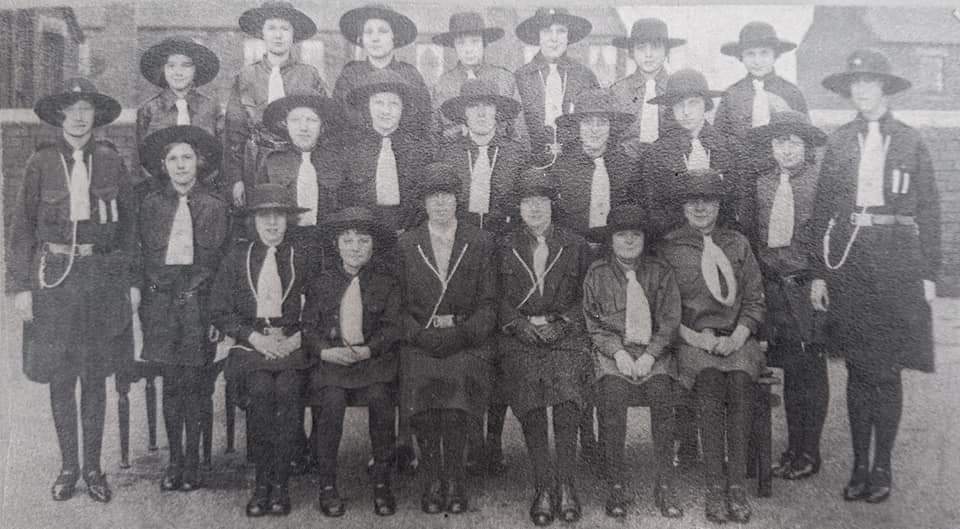
A troop of Girl Guides from the Congregational Church on The Green. 1920. The photo was taken in the playground of Southdale School.
Please get in touch if you are able to identify anyone or have any of their family history that you’d like to be considered for this website.
.

In June 1950, Ossett Green Congregational Church held a garden fête in the grounds of Grange View, Healey Road, where a tea was provided by the owner, Mr GW Appleyard. This photograph appeared in The Ossett Observer.
Brenda Lucas was the Rose Queen, ring bearer was David Wilby and the attendants were Patricia Waring, Jennifer Whitaker, Glenys Auty, Beryl Moore, Joyce Oldroyd, Maureen Beckett, Elizabeth Foster, Carole Illingworth, Ann Riley, Pauline Smith, Kathleen Smith and Jean Tyler.
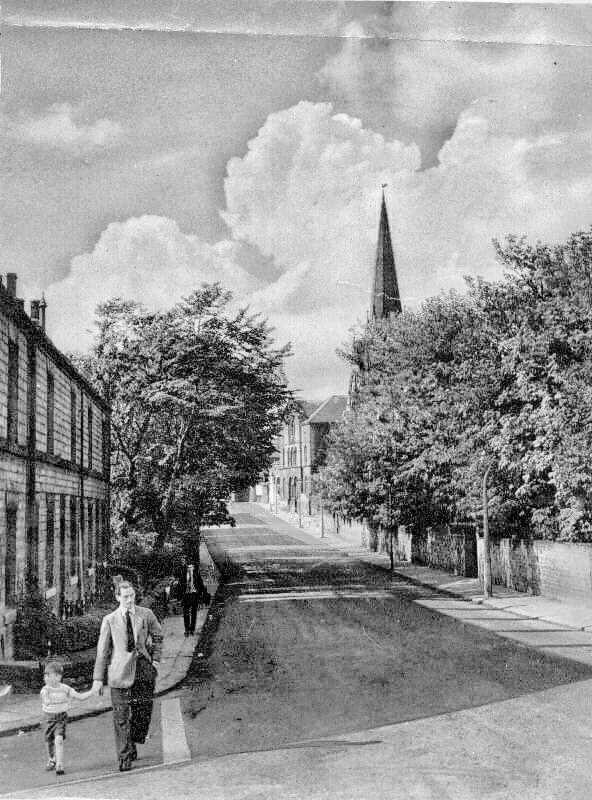
The spire of the Congregational Church looming over The Green, Ossett 1950s.
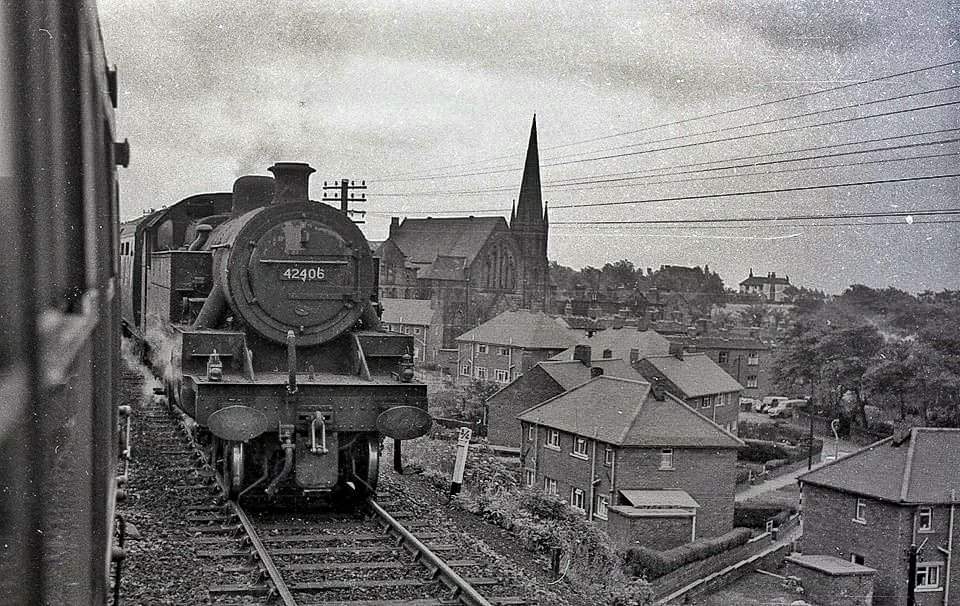
©️ Roger Hepworth
This photo shows how the church dominated the South Ossett skyline.
On Easter Sunday, April 22 1973, the last church service was attended by about 350 people, including the great-granddaughter of the Reverend George Sadler, who was the minister of this church from 1885 to 1892.
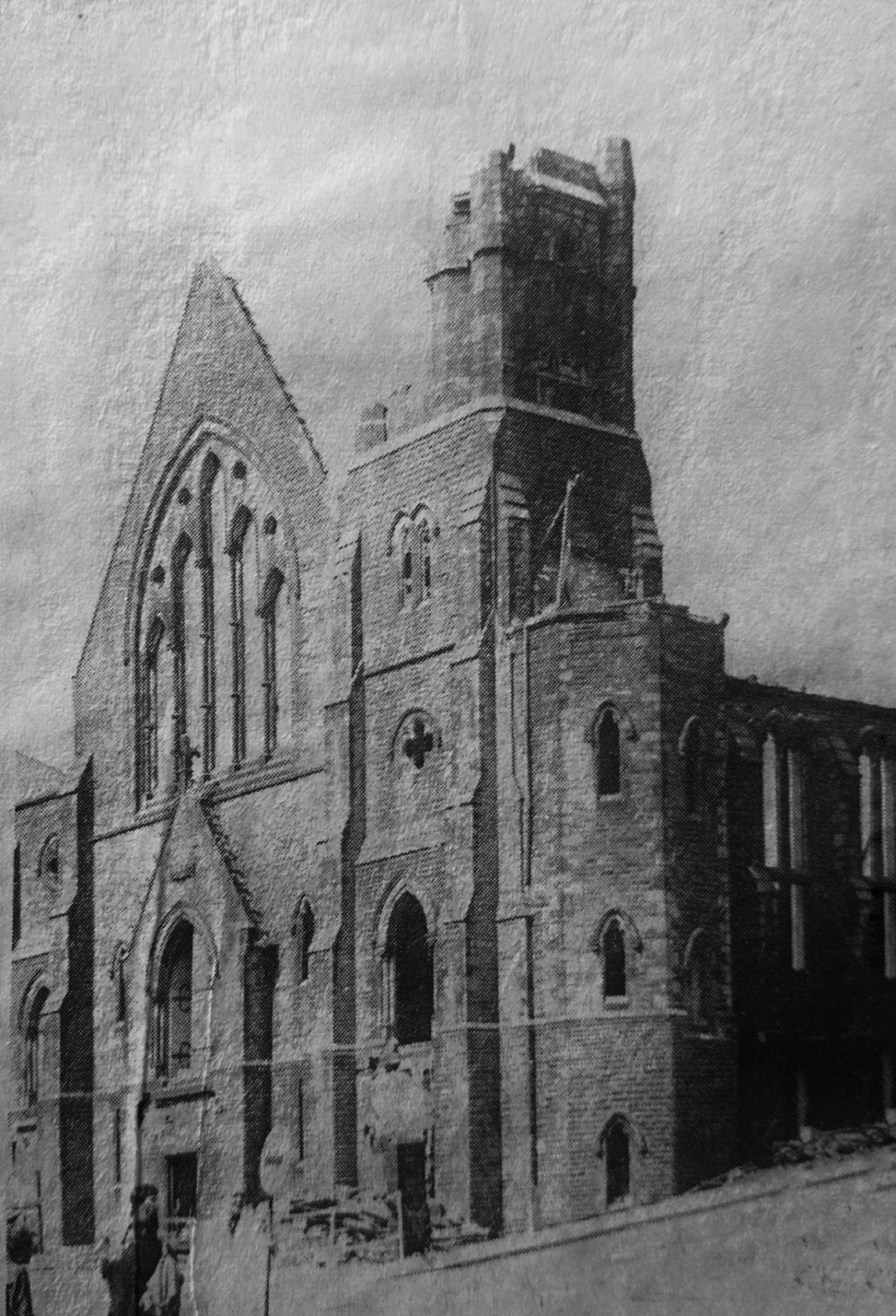
Ossett Observer June 29 1974. Demolition of the Congregational Church. The site was acquired for development by J&JM Asquith.
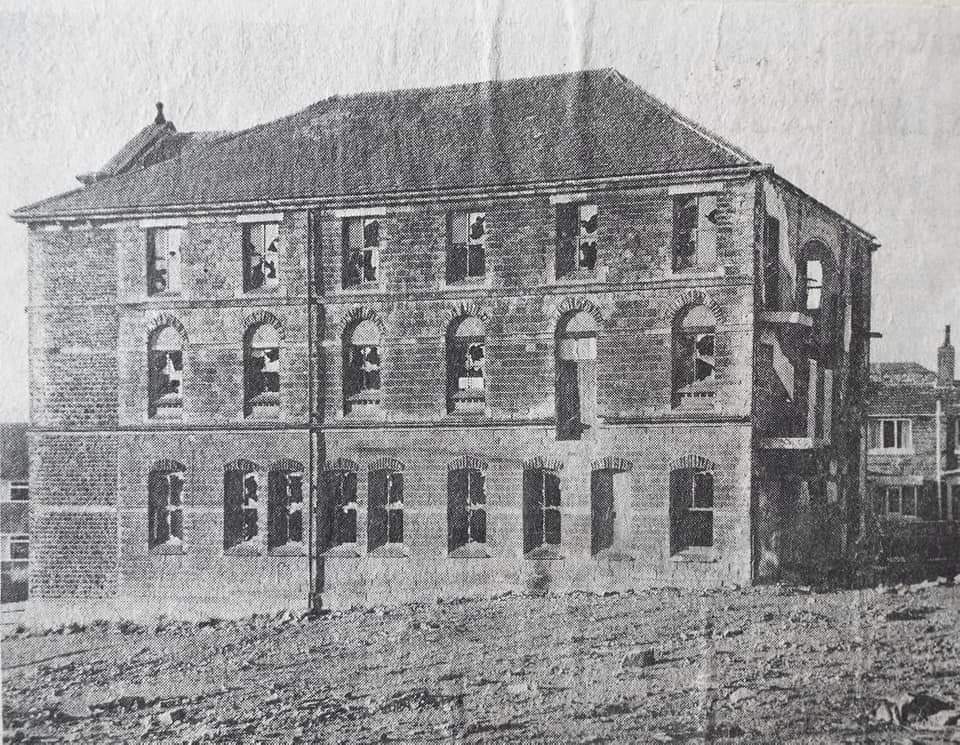
The demolition of the Sunday School on November 30 1974. I’m grateful to Michael McCarthy for these images from The Ossett Observer.
The Ossett Congregational Church was originally located at the NE corner of Ossett Green and Southdale Road. After it was demolished, the congregation moved to the United Reformed Church at Queen’s Terrace before amalgamating with the King’s Way Church, Wesley Street.
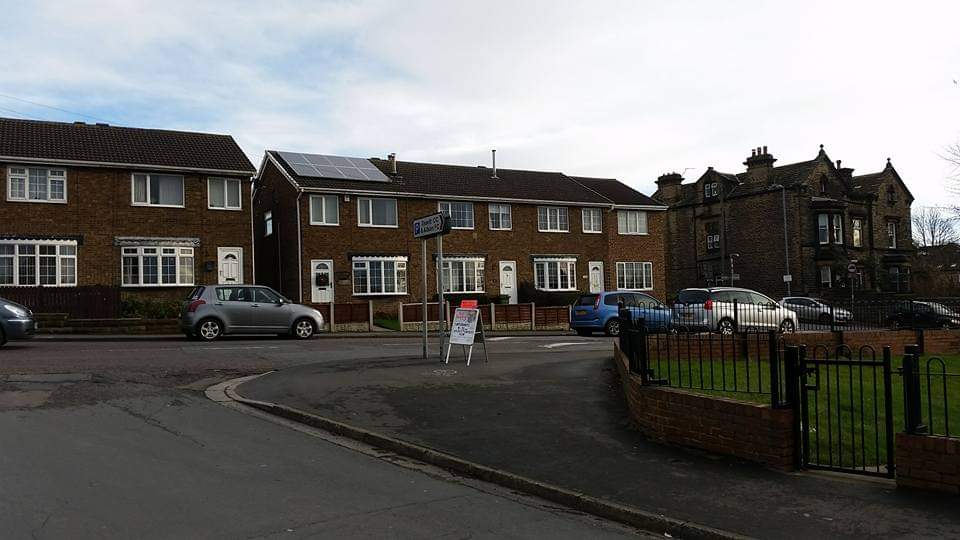
©️ Simon Austerfield 2016

©️ Rachel Driver 2021
The former site of the Congregational Church.
.
OSSETT GREEN BURIAL GROUND
EXHUMATION OF BODIES
Around 1969 the old Burial Ground at Dimple Well, The Green, Ossett (formerly Radley Street) was bought by a builder.
According to eye witness accounts, the remains of those from the Dimple Well Burial Ground were removed and taken in a flat bed truck to the Zion Burial Ground at Gawthorpe. They were then placed in a mass pit without ceremony or marker. The burial ground at Gawthorpe is now in private ownership and horses graze between the gravestones which stand on this land.

Photo: Anne-Marie Fawcett
NAMES OF BODIES EXHUMED & DATE BURIED
| 1 | Samuel Mitchell | 2nd March 1835 |
| Martha Mitchell | 30th March 1840 | |
| 2 | Nancy Riley | 20th May 1837 |
| 3 | Elizabeth Butterfield | 20th May 1837 |
| 4 | William Ellis | 9th December 1826 |
| Joseph Ellis | 6th March 1828 | |
| Hephzibah Ellis | 8th April 1830 | |
| Henry Ellis | 24th January 1838 | |
| 5 | Thomas Saxton | 2nd February 1822 |
| Robert Saxton | 27th January 1828 | |
| Nancy Saxton | 11th October 1840 | |
| Eliza Saxton | 9th September 1884 | |
| 6 | Robert Saxton | 16th May 1849 |
| Susannah Saxton | 6th February 1859 | |
| 7 | Susannah Saxton | 6th December 1859 |
| Benjamin Saxton | 8th May 1888 | |
| 8 | Mary Ellis | 12th June 1840 |
| Joshua Ellis | 2nd November 1852 | |
| 9 | Hannah Scott | 19th October 1811 |
| Charles Scott | 13th January 1826 | |
| Martha Scott | 19th May 1853 | |
| Mary Scott | 29th August 1833 | |
| 10 | Thomas Mitchell | 17th November 1830 |
| 11 | Joshua Mitchell | 30th September 1828 |
| Enoch Mitchell | 4th December 1829 | |
| 12 | Mary Mitchell | 14th December 1828 |
| Thomas Mitchell | 18th November 1829 | |
| Martha Mitchell | 30th August 1844 | |
| 13 | George Pickard | 7th March 1852 |
| Sarah Pickard | 14th May 1857 | |
| 14 | Hannah Walshaw | 23rd.April 1837 |
| 15 | Philip Dews | 7th March 1861 |
| 16 | Mary Moss | 11th February 1851 |
| 17 | John Archer | 1st November 1822 |
| 18 | Sarah Wilson | 23rd September 1834 |
| John Wilson | 23rd January 1848 | |
| Nancy Wilson | 2nd January 1843 | |
| 19 | Nancy Grace | 16th February 1841 |
| 20 | Frederick Mitchell Briggs | 8th March 1850 |
| 21 | Seth Mitchell | 14th October 1839 |
| 22 | Joseph Mitchell | 13th January 1835 |
| 2 children in infancy | ||
| Nancy Mitchell | 2nd September 1838 | |
| 23 | Hannah Mitchell | 27th November 1845 |
| Nathan Mitchell | 10th August 1870 | |
| 24 | James Briggs | 10th August 1839 |
| Mary Ann Briggs | 28th May 1840 | |
| 25 | Henry Kenyon Ambler | 18th August 1877 |
| 26 | Grace Wilby | 4th December 1821 |
| Judith Scott | 14th May 1830 | |
| Frances Wilby | 22nd February 1848 | |
| 27 | Eliza Ward | 23rd March 1883 |
| Henry Herbert Ward | 5th October 1862 | |
| 28 | F. W.Clegg | 7th August 1844 |
| Mark Clegg | 23rd March 1849 | |
| Jemima Clegg | 13th June 1867 | |
| 29 | Ann Mitchell | 13th March 1827 |
| Samuel Mitchell | 18th March 1833 | |
| Sarah Mitchell | 7th July 1836 | |
| David Mitchell | 18th March 1885 | |
| 30 | Philip Oakes | 16th November 1853 |
| Thomas Edwin Oakes | 28th October 1881 | |
| 31 | Jane Oakes | 31st Januaryl837 |
| Charles Oakes | 14th June 1837 | |
| 32 | Nathan Oakes | 21st April 1830 |
| Benjamin Oakes | 22nd April 1828 | |
| Edward Oakes | 4th April 1836 | |
| Benjamin Oakes | 25th February 1846 | |
| Nancy Oakes | 29th December 1860 | |
| 33 | Nancy Ellis | 13th August 1874 |
| Philip Ellis | 7th January 1878 | |
| Emily Jane Ellis | 4th November 1892 | |
| Eli Ellis | 26th April 1894 | |
| 34 | Samuel Oakes | 27th May 1851 |
| Nancy Oakes | 19th January 1851 | |
| Jane Oakes | 27th June 1855 | |
| Alice Oakes | 18th May 1858 | |
| Benjamin Oakes | 23rd April 1851 | |
| 35 | Joshua Briggs | 4th November 1858 |
| Hannah Briggs | 29th January 1874 | |
| 36 | ? Charles | May 1858 |
| 37 | Susannah Clegg | 1st February 1865 |
| Emma Clegg | 14th July 1861 | |
| 38 | Mary Brook | 26th July 1857 |
| Thomas Brook | 8th August 1857 | |
| 39 | Hannah Archer | 2nd August 1852 |
| Abraham Archer | 21st January 1867 | |
| 40 | Philip Brook | 1st August 1855 |
| Eli Brook | 28th March 1856 | |
| Simon Brook | 9th June 1850 | |
| Sophia Brook | 28th August 1862 | |
| Harriett Brook | 14th August 1876 | |
| J.C. Brook | 27th May 1885 | |
| 41 | Francis Giggal | 18th May 1856 |
| Mary Giggal | 15th May 1887 | |
| 42 | Harriett Jenkinson | 13th November 1871 |
| Joseph Jenkinson | 10th February 1873 | |
| 43 | Joseph Haigh | 11th October 1864 |
| Sarah Haigh | 30th April 1900 | |
| 44 | Elizabeth Audsley | 18th November 1830 |
| Mary Audsley | 29th December 1819 | |
| Hannah, Martha, Isaac & Ann – In infancy | ||
| Joseph Audsley | 4th February 1862 | |
| Sarah Dews | 8th January 1889 | |
| 45 | John Audsley | 13th December 1830 |
| Joseph Audsley | 27th July 1859 | |
| 46 | Benjamin Banes | 11th March 1830 |
| Martha Banes | 12th July 1833 | |
| 47 | Margaret Giggal | 1st March 1830 |
| David Giggal | 16th April 1835 | |
| 48 | Millicent Ellis | 8th May 1847 |
| 49 | Sarah Ellis | 29th March 1834 |
| Samuel Ellis | 7th April 1846 | |
| Mary Ellis | 24th April 1856 | |
| Ann Bennett | 10th July 1852 | |
| Mary Ellis | 24th April 1856 | |
| Philip Ellis | 17th July 1877 | |
| 50 | Thomas Pawson | 4th February 1837 |
| 4 children in infancy | ||
| Rachel Pawson | 17th December 1865 | |
| 51 | Joshua Moss | 11th July1830 |
| George Moss | 26th May 1872 | |
| 52 | Benjamin Mitchell | 22nd June 1844 |
| 53 | John Boothroyd | 30th December 1862 |
| Susannah Boothroyd | 20th June 1876 | |
| 54 | ? | |
| 55 | Jabez Radley | |
| Hannah Radley | 2nd October? | |
| Jabez Radley | 23rd March 18? | |
| Martha Radley | 17th August 1871 | |
| George Radley | 23rd February 1896 | |
| 56 | George Saxton | 21st June 1865 |
| Martha Saxton | 19th November 1882 | |
| 57 | Mark Pickard | 7th July 1865 |
| 58 | Hannah Pickard | 25th April 1862 |
| Andrew Pickard | 18th September 1890 | |
| Hannah Pickard | 29th June 1891 | |
| 59 | George Pickard | 10th June 1892 |
| David Pickard | 6th July 1882 | |
| David Pickard (Jnr) | 17th February 1878 | |
| 60 | Sarah Clafton | February 1859 |
| ? Clafton | 12th April 1859 | |
| 61 | Mary Ellis | 24th April l853 |
| John William Ellis | 18th May 1863 | |
| 62 | Susan Ely | 1st June 1853 |
| 63 | Elizabeth Ely | 9th November 1851 |
| Martha Ely | 19th June 1853 | |
| Thomas ? | 11th June 1879 | |
| 64 | Edmund Dews | 7th July 1829 |
| John Archer | 17th July 1852 | |
| Ann Dews | 12th May 1855 | |
| John Archer | 17th July 1832 |
Information supplied by the late Jean Crabtree, courtesy of Lawrence, Son & Thorp (Solicitors) Ossett
 HORBURY & OSSETT FAMILY & LOCAL HISTORY