Discovering Ossett’s history through Francis Cockburn’s sketches
The book of sketches by Francis Charles James Cockburn was published by Ossett Historical Society in 1987. The following is from the society’s website.
For over forty years the Ossett Historical Society fostered an interest in the history of Ossett, and that of the surrounding area. This was accomplished through lectures, publications and exhibitions. Sadly, as a result of declining membership, an Extraordinary General Meeting on 26 September 2022 reluctantly decided to wind up the Society.
I’m grateful to David Hoyle for digitising the book, which is offered here, with additional images and information from Ossett Through The Ages (OTTA), and my own original, copyrighted research.
Anne-Marie Fawcett December 2024
INTRODUCTION
Frank C. J. Cockburn, who made most of these drawings of Ossett scenes and buildings during the last two decades of the 19th Century, was a son of the first Stephen Cockburn who purchased the Ossett Observer from the Beckett Brothers in 1873. They first appeared, reproduced as woodcuts, in the ‘Ossett Almanacs’ published annually by Cockburn’s until the early 1900’s. A number of drawings of churches, including Ossett, South Ossett and Thornhill, were used for years afterwards on the title pages of church magazines, which Cockburn’s printed. Frank Cockburn emigrated early this century to New Zealand where he became principal of the Art College in Nelson, New Zealand, where descendants still live. His eldest brother Stephen was second editor-proprietor of the Observer and was succeeded on his death in 1903 by the late Mr. S. E. Cockburn, the last owner of the Observer before it was acquired in 1956 by the ‘Wakefield Express’ series. Another brother, Herbert, emigrated to Ontario, Canada, where he started a local weekly paper. He was a bachelor and had no descendants.
S. F. Armitage Ossett 1987
Pauline & Jennifer (niece and daughter of S.F. Armitage), outside Northbourne House. Photo: Anne-Marie Fawcett 2017
FRANCIS CHARLES JAMES COCKBURN
Francis Charles James Cockburn was born in Ramsgate, Kent in 1869. He was the youngest of the six children (five sons and a daughter) of Stephen Cockburn (1830–1900) and Marianne Pettman (1830–1893) who were married in Kent in 1854. Their only daughter (also named Marianne) died in 1870 at the age of 12, and three years later Stephen Cockburn moved his family from Ramsgate to Ossett.
By the time of his marriage to tailor’s daughter, Jessie Irene Coldwell Shaw (1879–1914), in Wakefield in June 1900, Francis was the.Assistant Art Master at Halifax Technical School. Their daughter, Frances Irene, was born in Halifax on April 13 1902. By 1905 Francis, Jessie, and their daughter had left Yorkshire and were living in Thames, a town at the southwestern end of the Coromandel Peninsula on New Zealand’s North Island. (I found this information in the membership registers (1751-1921 ) from the collection of the United Grand Lodge of England held by the Museum of Freemasonry ).
Jessie died in 1914 at the premature age of 35. In 1917 Francis married Mary Quartley Melhuish (born in Devon in 1869) in Nelson.
Headstone Transcription: In memory of JESSIE wife of F.C. J. COCKBURN passed to her rest Aug 21 1914. Aged 35 years. Thy will be done.
In loving memory of FRANCIS CHARLES JAMES COCKBURN, born June 4 1869, died June 14 1947.
Also of MARY QUARTLEY COCKBURN born May 14 1869, died Dec 4 1948. Resurgam.
And their daughter FRANCES IRENE KING 13-4-1902 – 25-10-1995.
STEPHEN COCKBURN 1, 2 & 3
Stephen Cockburn moved to Ossett to take over as the editor and proprietor of The Ossett Observer newspaper. He and his family lived next door to TheBull’s Headon Bank Street, in the old home and offices of the Beckett brothers (the founders and original owners of The Ossett Observer). In the 1881 census Stephen Cockburn was described as ‘a journalist and master printer, employing five men and four boys‘. In 1890 The Borough Works, at the junction of Station Road and Prospect Road, was built to house his print works and the Ossett Observer newspaper offices.
From The Ossett Observer Jubilee Supplement, printed on July 4 1914 to celebrate the newspaper’s first 50 years.
Stephen and his family were still living at Bank Street when the the 1891 census was taken. Also living with them ,and employed to work in the Cockburns stationary shop, was Marianne’s 17 year old niece, Harriet Jane Pettman (1873-1913).
East Kent Times and Mail – Wednesday 09 May 1900
The Cockburns named their new home, ‘Northbourne House‘ and it formed part of the Borough Works. It was unoccupied in 1891: an indication that it was still in the course of construction.
In 1895 Harriet’s mother Diana died and Harriet returned to her father’s house in Northbourne, a village in the Eastry district, Kent.
Stephen Cockburn (1830-1900) died on May 1 1900 at 87 Cambridge Place, Siddal, Halifax. One of his sons, the eponymous Stephen Cockburn (1856-1903) was also born in Kent and a journalist. In 1881 he was living at Westfield Terrace, (Headlands), Ossett. In 1891 he had a Headlands Road address, but by 1901,(by then a newspaper proprietor, printer and journalist), he was recorded at Station Road. He died in September 1903. His address was Northbourne House, 44 Station Road, Ossett.
Brentwood in 2017 Photo: Anne-Marie Fawcett
After his death the Ossett Observer was owned and run by his son, Stephen Ellis Cockburn (1877-1959). In 1901 he too was living at Northbourne House, and he was recorded as a journalist and author. By 1911 he was living at the same address with his widowed mother, his aunt and his sister. By 1927 he was living at Brentwood, Station Road, which is immediately opposite Northbourne House.
Stephen Ellis Cockburn’s sister, Harriet Kate Pettman Cockburn, of Northbourne House died in 1927 and his mother, Alice Jane of the same address, died in January 1932 thus ending the Cockburn occupancy of Northbourne House, 44 Station Road, Ossett. At the time of his death in 1959 Stephen Ellis Cockburn was living at Croftlands on Lime Street.
○~○○○~○○○~○○○~○
CHARTER DAY AUGUST 16 1890
Never within the memory of the oldest inhabitant or previously has Ossett been the scene of such a striking and unanimous demonstration of popular rejoicing”.
This was the day when Ossett received the Charter of the Borough.
The Royal Charter was granted on June 30 1890. Which is correct? The charter arrived – by train – to a huge fanfare on August 16 1890. Ossett was now self administering with a mayor, four aldermen and 12 councillors. A public holiday was declared and the streets were festooned with bunting, banners and balloons. Lampposts were decorated with flags and shields. A grand procession of 5000 people took place and a public luncheon was served. 4000 schoolchildren sang in the streets and each child was fed cake and tea. All day long the bells of Holy Trinity rang. The day also included a military tournament and a firework display was provided by Rileys of Flushdyke.
Charter Day. The Market Place & Station Road (with the original Cussons Chemist on the left)
Dewsbury Chronicle and West Riding Advertiser – Saturday 30 August 1890
The building on the right is the Grammar School
1897. Although not the best quality (due to water damage incurred whilst in storage at Wakefield) I find this picture fascinating, so I’ve included it here.
○~○○○~○○○~○○○~○
COCKBURN & SON BOROUGH WORKS
These modern day photos shows just how much of the Borough Works was demolished.
Northbourne House Photo: Anne-Marie Fawcett2017
The former site of Borough Works, with Brentwood just in sight (behind the white van) Photo: Anne-Marie Fawcett 2017
○~○○○~○○○~○○○~○
OSSETT’S RAILWAY STATIONS
Flushdyke Station was the first station to be opened in Ossett in 1862 as a temporary terminus of the Bradford, Wakefield and Leeds railway. The line extended to Ossett and then on to Batley in 1864 when the line was doubled throughout. By 1883, Ossett had three railway stations: at Flushdyke, Ossett and Chickenley Heath, all on the Wakefield, Batley and Bradford branch of the Great Northern railway. Flushdyke station finally closed in 1941.
Flushdyke Railway Station in 1904
There are very few persons who, having had the good or ill fortune to pay a visit to Ossett, will not have been struck with the inadequacy of its station accommodation as compared with the size and importance of the town. For many years Ossett has been growing steadily both in population and the extent of its manufactures, and this growth has been marked on the part of the inhabitants themselves by the erection of more commodious and imposing public offices than had heretofore existed. But there has been no corresponding improvement in the station accommodation or the approaches to the town, which are now, the former as small and inconvenient, and the latter as dangerous, as ever they were.
In 1884 the first real move towards an improvement of this state of things was made when the manufacturers, merchants, and others interested in the scheme held a meeting, at which the present station was condemned as ‘inconvenient, dangerous, and generally inadequate’ and a committee was formed to wait upon the directors. This step had the effect of drawing an acknowledgment from the company that a grievance existed, and they promised to remedy it as soon as they saw their way to deal with it in an effectual manner.
On the 22nd of December, 1884, the Local Board received a letter from the secretary to the company which stated that the directors had sanctioned the reconstruction of the station, and that the engineer was then engaged in preparing plans. The company were evidently in earnest, for at their next half-yearly meeting, two months later, the sum of £17,618 was voted for the undertaking; and, in fact, a considerable extension of the goods shed, sidings, &c., was carried out. Some correspondence took place regarding the plans, and eventually the company’s chief engineer met a deputation of gentlemen representing the Chamber of Commerce and the Local Board. At this meeting it was suggested that the approaches to the station were dangerous and inconvenient, and a more suitable road should be constructed, to lead direct from the Market-place, through an intervening field, and straight on to the station, a distance of about 1,050 yards.
The levels of the adjoining land were all favourable to this scheme, and the engineer said that there would be no difficulties to be coped with which would require his skill. The question was merely one of cost, and a letter was sent to the company by the President of the Chamber of Commerce, which contained an offer from several members of the Local Board to try and induce the board to make, flag, and sewer the road, on condition the owners would give the land and build the fence walls, if the company would make a 12-yard bridge instead of a foot-bridge, in continuation of the road. A town’s meeting was held, and it approved of the construction of the street by the Local Board on the above provisoes. The directors then offered to modify their plans for the reconstruction of the station, they to build and maintain a bridge 30ft. wide across the station, on condition the board would provide and maintain the footway over the same, the approach from the bridge to the platform to be provided by the company. The Local Board negotiated with the landowners through whose property the proposed street will pass, and arrangements are now almost completed which will allow of the work being commenced.
The street will begin in the Market-place, and, as at present arranged, terminate in Park-square – though there is no doubt it will eventually be continued to Horbury – and the company have agreed to erect a bridge over the station 90 yards long by 10 yards wide. The Local Board has now an application before the Local Government Board for power to borrow £4,000 for the commencoment of the work, and there is every probability that about spring the work will be entered upon. The entrance to the station is intended to be from the bridge, and it will be easy of access both for foot passengers and vehicles. A covered incline about 140 feet long will lead down to the booking-offices and the platform. This latter will be on the island principle, 450 feet long, and upwards of 30 feet wide, the up and down lines running on either side. In addition to the booking-offices, there will be extensive waiting-rooms and the other requisites, while the platform will be covered with a roof of glass.
Tenders for the work were invited twelve months ago, and the contract actually let; but at the request of the Local Board the operations were suspended to allow of the arrangements for the new approaches. On the south side, the company have purchased a piece of additional ground way for extra sidings, and by their completion of this scheme they will not only benefit the town, but themselves most materially.
Leeds Mercury – Wednesday 26 January 1887
An important public improvement was inaugurated on Saturday at Ossett, which is expected to accelerate the development of the town, and in a measure to remove the straggling appearance which it presents at present. By the joint action of the Ossett Local Board and the Great Northern Railway Company a new thoroughfare is about to be formed, which will afford much more direct and convenient communication between the centre of the town and the large area lying to the south and south-east of the railway. The company [will] build a bridge over the end of the Town Station – at the same time entirely reconstructing the station itself – and in consideration of this the Local Board have acquired land for, and undertaken to construct, a street upwards of 1,000 yards long. The latter runs in a south-easterly direction from the Market-place to Park-square (Manor-road), and will give excellent approaches to the station, beside being advantageous for general traffic; the contract for one section of it has been already let, and the remainder will be in the course of a few days. The bridge is to be about 90 yards long and 10 yards wide, chiefly of iron, and the railway company’s contractors commence their work almost immediately.
Image source: ‘The West Riding of Yorkshire in the Opening of the Twentieth Century’ by W. Herbert Scott. Published by W.T. Pike & Co, Grand Parade Brighton in 1902.
The ceremony of cutting the first sod of the street was performed on Saturday afternoon by Mr. William Paterson, Chairman of the Local Board, in the presence of an assemblage of interested spectators. The board and officials walked in procession from their offices to the appointed spot on the north side of the station, headed by the Ossett Brass and Reed Band playing a marching tune.
Mr Patterson, having cut the sod and removed it in a new wheelbarrow, made a short speech. He remarked that he did not recollect any scheme of a public character in Ossett which had been surrounded by so many difficulties; -and to these had been due the delay an carrying out this improvement.
Leeds Mercury – Monday 28 May 1888
The Great Northern Railway Company is now building a new town passenger station at Ossett in place of the existing one, which is inadequate to meet the requirements of the traffic. In conjunction with the Ossett Local Board, the company is also forming new approaches to the station, which will have the effect of making the latter much more accessible and convenient. The new station will be on the island principle. It will consist of a central platform, 160yds long by 31ft wide.
The buildings thereon will be of wood and glass, and more than half the length of the platform will be under cover, a glazed roof being supported by iron pillars, with ornamental brackets. The platform will be 3ft high, and formed of concrete, with stone edging. The entrance will be by a covered passage, on a gentle incline from a road bridge which is intended to carry a new thoroughfare over the station premises. The bridge itself is a substantial structure of iron, 250 ft long and 30ft wide, divided into four spans, with piers and abutments of solid brickwork. Over this the Ossett Local Board is about to carry the new thoroughfare already mentioned, which will be upwards of 1000yds long, and, except on the bridge, 36ft wide throughout. The whole of the land has had to be acquired by the Local Board for the purpose.
Commencing at the Market Place, the new road, which is to be called Station Road, will be as nearly as possible straight, running across the railway station, and terminating for the present at Park Square (Manor Road) until arrangements are made with the Horbury Local Board for carrying it forward. It will shorten the distance by road from Horbury to the station and Ossett Market Place by nearly half a mile, besides avoiding the heavy gradients of the existing road. The works of the railway company and of the Ossett Local Board are now making fair progress, and are expected to be completed in the early part of next year.
The contractors employed by the Company are Messrs W. Nicholson and Son, builders, Leeds, and Messrs J. Butler and Co., Stanningley, under the direction of the district engineer, Mr W. Kell, of Leeds; and those of the Local Board are Messrs Aliffe and Mr E. Ellis, under the supervision of Mr Hirst, the Board’s Surveyor.
Dewsbury Chronicle and West Riding Advertiser Saturday 15 September 1888
The Ossett Town Station. An open air meeting was held in the Market Place, Ossett, on Friday evening, for the purpose of taking steps to secure an additional entrance to the Town Station of the Great Northern Railway Company. There were between 500 and 600 persons present. Mr Bennet Brook, the chairman, moved a resolution declaring the present means of access to the station to be inadequate, and asking for a subway entrance from The Green to the platform. Mr W Patterson seconded, and the speakers in support included Messrs. H Westwood, E Clay, JS Wilby, Allan Mitchell, Alfred Ellis and J Thwaite. The resolution was carried unanimously.
Leeds Mercury June 30 1890
STATION ROAD, THROUGH THE AGES
When Ossett Had a Railway Station ~ Patricia Adams
Mike and I first arrived in Ossett in 1959 when the town still had a railway station. Newly married, we moved into a new small bungalow on Spa Croft Road which was called Lynda Avenue in those days. In 1961 our firstborn arrived and we had a beautiful large carriage built pram for her – no folding buggies then. A trip to Wakefield to visit family therefore involved a journey on the train so I would push my pram up Manor Road and along Station Road to the railway station. A journey of possibly a mile.
There was usually two or three of us with prams and when the train arrived, the guard would help each of us to lift the pram and baby into the guards-van and off we would go on the ten minute journey to Westgate Station in Wakefield. The return journey was a similar arrangement.
In October 1964, Ossett Railway Station and the line became a victim of Dr. Beeching so our trips on the train came to an end. It was at this time that a new road from Queen’s Drive into town was being developed and as our little bungalow in Spa Croft Road became too small for our growing family, we bought a larger house on the new road which is now known as Towngate. However, before the road could be completed, the railway bridge which carried the line no longer in use had to be demolished. So one Sunday morning the Army arrived to blow it up!
We must have returned home as the back door is open! Pat Adams
Our house was the last one before the bridge so we were told to leave the property and large army lorries were placed all around the house to protect the windows, etc. After watching the explosion from afar we returned some time later relieved to find the house still standing but the railway bridge was no more.
YARNS is a project led by Leeds University. Ossett and Gawthorpe Community Archive collected and shared yarns about the locality of Ossett and Gawthorpe, West Yorkshire. The yarns are contributed by local (and ex-pat) people of all ages in the areas of heritage which interest them. Ossett Through The Ages (OTTA) is proud to be one of the partners in this project.
Raymond Davies told us that the houses on Longlands Road, by the petrol station, are built on the old railway embankment. He was told of this by Malcolm Asquith, the builder (and a former Mayor of Ossett). Raymond’s house was the first semi to be completed and, he said: “People still used the original footpath which ran at the bottom of the embankment, even after the passage and path was completed from Tumbling Close. We still get the weeds etc that are usually found by railways.”
○~○○○~○○○~○○○~○
WA KENDALL’S ARCHITECTURE
William Arthur Kendall 1857-1937
William Arthur Kendall was born in the village of Leadenham in Lincolnshire in April 1857, the eldest son of eight children of school teacher Stephen Holliday Kendall and his wife Emma, née North. The couple married in Leeds in August 1853. William was named after his grandfather William Kendall, whom, like his son Stephen, was a school teacher.
In early 1862, Stephen Kendall, his wife Emma and their four young children moved from Tadcaster to Ossett.
○~○○○~○○○~○○○~○
CUSSONS’ CHEMIST (the Imperial Leather connection)
Cussons’. Pickard’s. The Yorkshire Bank.
Built in 1893 this building, on the corner of Station Road and Prospect Road, opened in March the following year for John William Cussons, postmaster and chemist. Marjorie, the daughter of JW’s brother Alexander, was responsible for developing Imperial Leather, an achievement that some in Ossett believe JW to have been responsible for.
In 1900 Samuel Norman Pickard purchased the business from Cussons. In 1924, when he moved to new premises on Wesley Street, the Yorkshire Penny Bank moved in.
John William Cussons with his two children and his wife, Catherine (nee Wilby) to our right.
In November 1890 Samuel Norman Pickard placed an advertisement in the Ossett Observer to the effect that he had purchased the business of Mr J.W. Cussons, in Ossett. His name and address read: “S. N. Pickard, Member of the Pharmaceutical Society, Dispensing and Family Chemist, Station Road, Ossett”. He set up his business in Galen House, Prospect Rd., renting the property from the Yorkshire Bank.
In November 1900 an advertisement appeared in the Ossett Observer.
Mr. S. N. Pickard begs to announce that he has purchased the business of chemist and wine & spirit merchant, carried on successfully for many years by Mr. J. W. Cussons. Having had a large experience of the dispensing of medicines, analyses and pharmacy, he hopes to be accorded a fair share of the patronage from his many Ossett friends, and the public generally.
The purest drugs and chemicals only employed. Patent medicines at lowest London prices. Note the address: S. N. Pickard, Member of the Pharmaceutical Society, Dispensing and Family Chemist, Station Road. In 1924 the Observer reported: Change of premises: S. N. Pickard, chemist & optician, begs to announce that owing to expiration of lease he is transferring the business to larger and more commodious premises in Wesley Street, Ossett, which he hopes to open on Wednesday next, August 5th.
For almost half a century Pat Bennett (née Harrop) worked in the Ossett Branch of The Yorkshire Bank. I took this photo of her in 2017, not long before the bank closed.
○~○○○~○○○~○○○~○
THE LIBERAL CLUB
Wakefield Free Press Saturday 31 January 1880
The corner stone of Ossett Liberal Club on Station Road was laid in October 1893 by Liberal Politician, Earl Compton. The contractors were: R. Oldroyd, mason and bricklayer; R. Stubbs, joiner; A. Lucas, plumber and glazier; RW Clegg, plasterer; G Hargreaves (Dewsbury), slater; and J Snowden, painter. The architect was WA Kendall.
The following is an excerpt from an article in The Leeds Mercury, dated Thursday 11 April 1895.
The building, situated in Station Road, is externally a substantial and handsome stone structure, one of the best architectural features of the town. Considering how strong the Liberal party is in this section of the Morley Division, the probability is that the accommodation within may not long suffice. But it is at present adequate, comprising a reading room, a smoke room, two billiard rooms, and smaller apartments, all comfortably, if not luxuriously, furnished.
At the official opening on April 10 1894 a procession was led from the Temperance Hall by Thomas Lister, 4th Baron Ribblesdale. On his arrival at the building Lord Ribblesdale was presented by the secretary, Mr. JF. Hainsworth, with a gold key. After a few words, he opened the door, and led the way to the large billiard room, in which a short meeting was held. Mr. J.E. Glover, president of the club, conducted the proceedings, and there were also present Mr. Harold J. Reckitt (formerly M.P. for Pontefract), the Mayor of Ossett (Ald. G H. Wilson), Mr. W. Wilson (president of the Morley Division Liberal Association), Mr. O. Myers, Mr. R. E. Phillips, Ald. Clay, Mr. H. Westwood. Mr. Albert Mitchell, and others.
The President, in opening the proceedings, said that the thanks of the Liberals of Ossett were due to the ladies of the town for the assistance they had rendered in connection with the furnishing of the club. The sewing class organised two years ago had done excellent work, and no less than £700 had been raised by the bazaar held last year. The club, he was glad to say, was to be managed upon temperance lines, and as long as the gentlemen who were at present responsible for the management continued to be identified with it, it would be managed union temperance principles. Sufficient temptations existed for young men already, without drink being placed before them in every spare hour.
In 1972 Ossett’s Liberal Club was getting set to close. Mr WF Ford, president for the previous 13 years and Ossett’s Mayor from 1947-49, said that the members’ decision to sell the building was unanimous. In recent years only the upstairs had been occupied by the club – the ground floor was a restaurant owned by Mr Eric Ross. The club had been running at a loss for some time and with the expected expenditure to comply with new fire regulations, due to the opening of the restaurant on the ground floor, it was decided to call time. Assets were distributed among the 25 paid up members. A proposal that proceeds should go to charity was voted against by six members who asked for their names to be recorded. They were Mr D Secker (who said his share would go to the National Liberal Association), Messrs Brian Wilson, B Fitton, E Ross, D Proctor and WF Ford. Mr Cyril Mountain abstained.
During its last 20 years the club functioned almost entirely as a social club, with snooker tables and a reading room as its only facilities. The building was sold to Mr Ross, of Park Square, who intended to convert the top floor into a large banqueting room with a dance floor and a stage for cabaret.
○~○○○~○○○~○○○~○
THE MECHANICS INSTITUTE
On the afternoon of Friday 12th December 1890 the new Mechanics Institution and Technical School was opened. The ceremony was performed by Mr Swire Smith of Keighley, a recognised expert on technical education.The mayor and other dignitaries met at the Temperance Hall along with invited guests, and at 3:00pm they walked in procession to the new premises.
On arrival Mr Swire Smith was presented with a silver key, which he used to unlock the building. They then went upstairs into the central classroom where he gave a long speech.In the evening a reception took place. A number of potted plants were used to decorate the steps to the building and the entrance. Outside the front door and in the main room upstairs were large electric lamps, powered by a dynamo worked by steam power, which was on the premises of Messrs Whitehead, joiners, Bank Street. A couple of telephones had also been lent.
The Public Library was officially opened by Alderman Allen Mitchell on Monday May 8 1899. The building was designed by WA Kendall and was also the Mechanic’s Institute. It housed a dyeing room, lecture room, classrooms, physics room, a chemical laboratory and an art studio.
On October 25 1935 Ossett’s new Public Library was opened. Alderman JH Knowles was the Chairman of Ossett Public Library Committee and in his speech he said he had hoped to erect an entirely new building, but the cost was excessive. When the County Council transferred some of the evening classes from the Mechanics’ Institute and Technical School to the Grammar School, the Library Committee was left with a more or less derelict building.
The gas showrooms which, until then, had been housed in the basement of the Town Hall, came to the rescue and agreed to rent part of the building. The estimated cost of the reconstruction was £3,000 which is more than £150,000 today.
Ossett Library is now housed at the Town Hall and this building is empty (2024). I hope that whoever buys it decides to reinstate the front door.
.
.
○~○○○~○○○~○○○~○
THE PICKARD MEMORIAL FOUNTAIN
When the waterworks had been established in the town in 1875, and piped water provided, a number of cast iron water fountains were ordered for the use of the public for filling water carts etc. But the local Board of Health objected to the idea. The fountains weren’t used and were sold as scrap some years later.
Hannah Pickard’s fountain in 1901, where the mayor reads out the proclamation of Edward VII.The Grammar School can be seen in the background.
When Hannah Pickard died in 1891 she left £500 in her will for the erection of a drinking fountain.
An excerpt from the will states: “I direct my executors to erect a drinking fountain and water trough combined, for the use of cattle and dogs, in the market place, Ossett, or in some other suitable situation, at a cost of about £500, to be presented to the Corporation of Ossett as a memorial of the incorporation of Ossett, and of the donor”.
c1910
c1930
In July 1893 work started on the fountain, the site being surrounded by a wooden hoarding, and was officially opened on Saturday 21st October 1893. It was described as: “Standing on a base of Aberdeen granite, it is mainly of Boltonwood stone, enriched with figures and other carving.”
The design was prepared by Mr. W.A. Kendall, under whose superintendence it was executed by R. Tolson and Sons, masons, and Mr. F. Wills, sculptor, all of Ossett.
The shaft and massive bowl are of Peterhead granite. On the shaft is carved a lion (the crest of the Pickard family), the Borough arms, and the following inscription: “This fountain is the gift of the late Miss Hannah Pickard of this town, to the Corporation of Ossett, for the benefit of the inhabitants and was erected in 1893. W. A. Kendall, architect”.
The whole is about 15 feet high and four gas lamps are attached to the upper portion. The water flowed into the bowl and then into four drinking troughs for cattle, and as many smaller ones for dogs.
The fountain was officially opened by the mayor, Mr F. L. Fothergill. A procession was formed at the Temperance Hall, which then walked to the fountain headed by the Borough band. The fountain was surrounded by a crowd estimated to number between two and three thousand. A couple of letters were read from Miss Pickard’s executors, and then part of Miss Pickard’s will. The band then played Auld Lang Syne.
After a speech by the mayor, the water was turned on and he filled one of the drinking cups and drank to the prosperity of the town. After the speeches the band played the national anthem, and the procession returned to the Temperance Hall, were about 30 gentlemen were entertained at tea by the mayor.
This has to be my favourite photo of the Fountain, as the people present bring it to life and it is evident it was a central focus for the town and much used and loved by those who were able to appreciate and enjoy it. It’s a shame those who came after that generation didn’t have the same appreciation and vision for preserving the town’s heritage in the name of progress.
Cllr Duncan Smith 2024
The date and occasion of the photo above is unknown. it was donated to me by Mary Welburn.
With the reorganisation of the town centre in 1958, the memorial fountain was removed and put into storage until Green Park was reopened on April 23 1962. It was decided that the fountain should be refurbished, placed in the park and used as an ornamental flower bed. This is where it remained for the next 45 years.
The dismantling of the fountain in 1958. Another photo donated by Mary Welburn.
In 2007 Green Park was refurbished and it was decided, by Wakefield MDC and Friends of Green Park, that the fountain was not in a condition to form a part of the refurbishment project. Instead of restoring the fountain and creating a scheme in which it would fit, it was simply given away to one of the contractors who was working on the project. According to the Wakefield Express, without this man the fountain would most certainly have been destroyed.
Whilst removing the fountain from the park the large bowl which sat atop of it was shattered into pieces. The base of the fountain was restored and subsequently advertised for sale at a price of £5,000. Its whereabouts are still unknown. The Peterhead granite shaft remained in the park where it slowly began to deteriorate. Vandalised and weather damaged, the remains of the Hannah Pickard Memorial Fountain lay forgotten by all but those few who visited this part of the park. With no information attached to it, how were those who saw it to know of its huge significant value? Where else is there anything tangible which commemorates this momentous occasion in Ossett’s history?
All that remains of the fountain.
This is in my possession but, despite many attempts to see it returned to the Market Place, I can get no interest from Wakefield Council.
If you think you can help to find a suitable site to display this tangible piece of Ossett’s heritage, then do please get in touch. Email me.
○~○○○~○○○~○○○~○
THE TEMPERANCE HALL
The 19th century temperance movement was a reaction to the widespread and growing abuse of alcohol and in November 1885, in the lecture hall of the Assembly Rooms, The Green it was unanimously resolved that steps be taken to provide a Temperance Hall for Ossett.
Initially the Temperance Hall was going to be built on a plot of land near the junction of West Wells Road with Queen Street and Bank Street. Ossett Temperance Society bought this piece of land but they couldn’t raise the funds they needed to achieve their plans. Anyway, Ossett Local Board of Health was against the plans and thought that the building would be too large for the site, leaving a narrow entrance into West Wells. Subsequently the trustees of the land exchanged it with the Local Board of Health for a plot on the corner of Illingworth Street and Prospect Road. The new Temperance Hall was built at a cost of £1,500 in 1888 to a design by architect W.A. Kendall.
Part of the temperance movement’s success was the formation of Cocoa Houses, where people were offered non-alcoholic beverages as an alternative to the lure of the many inns and alehouses. Ossett had a Temperance Cocoa House on Dearden Street, fronting Bank Street and Queen Street. The proprietor of the Cocoa House was Charles Hallgath who, with his wife Ann née Turner, were natives of Lincolnshire. The Hallgarths were living in Ossett by 1871 and by 1879 they were running the Temperance Cocoa House.
It would appear that it continued in the family until at least 1911, when the census for that year records May Squires, the 20 year old granddaughter of Charles and Ann, as a boarding house keeper of the seven roomed house at 78 Bank Street. Charles and Ann still lived there along with May, her husband George (a blacksmith at Charles Roberts) and their two year old son Charles Edward Squires.
By the way, in 1914 Ossett had 34 taverns or pubs. It would seem that not everyone in Ossett fancied cocoa, even if it did come with a hot dinner and a well aired bed …
○~○○○~○○○~○○○~○
MORE ARCHITECTURE
In 1894 the Ossett Observer reported: Good stone buildings have arisen along both sides, and such is the impetus given to the adoption of a more ornamental style of architecture in the erection of new business premises that the appearance of the centre of the borough is altogether changed for the better.
THE LONDON CITY & MIDLAND BANK
The London City & Midland Bank was built in 1891 – just a year after Ossett received its Charter of Incorporation. Founded in August 1836 as the Birmingham and Midland Bank, it became the London City & Midland Bank in 1891. It became the Midland Bank in 1923 and less than a decade later it was the largest deposit bank in the world. In 1999 it became part of the HSBC group.
On September 27th 1958 the Ossett Observer reported: “Work started this week on the removal of the dome on the Midland Bank, which dates to 1891. The interior structure is breaking up. Recently some stone from the inner core of the dome fell in through the roof into the living accommodation of the bank. The work is expected to take a few days.”
The image is from David Utley’s scrapbook.
Some photos I took in 2016 when the original signage was uncovered.
○~○○○~○○○~○○○~○
THE WAKEFIELD & BARNSLEY UNION BANK
The directors of the Wakefield and Barnsley Bank have at length succeeded in obtaining an eligible site for a new branch bank with manager’s house, in Town Street, and have lost no time having the design prepared, and contracts let. The new building will have a frontage of forty feet to Town Street, and fifty feet to a new street running at right angles therefrom. The design is classic, and will be carried out in hard Huddersfield stone. The bank entrance is in the centre of the front elevation, wide and spacious, circular beaded doorway, and right and left are two circular headed windows. Above runs an elaborate cornice and frieze, on which will be inscribed ‘Wakefield and Barnsley Union Bank’. Over on the first floor to the front are five circular headed windows, and above them moulded strings and cornices, which is surmounted by ornamental blocking and moulded coping. The side elevation having the entrance to the manager’s house will be similar in character. The whole building will be faced with stone, giving it an appearance of strength and substantiability. The banking room will be twenty-one feet by twenty feet, and thirteen feet high, and adjoining will be the strong room, and the directors private room. The house is of good size, having ten rooms, good cellars, end every other accommodation. The bank will be fitted with patent shutters, and every other modern appliance requisite for a building of such a character. The cost of the building will be about £2,000. Messrs. Eastwood and Tolson have entered into a contract for the whole of the work, under the superintendence and from the designs of Mr. W. Watson, architect, of Wakefield.
Wakefield Express – Saturday 16 April 1870
The Wakefield & Barnsley Union Bank was established in 1832 in Wakefield as the Wakefield Banking Co. In 1840, after acquiring Beckett, Birks & Co of Barnsley, its name changed to the Wakefield & Barnsley Union Bank. In 1884 the bank was registered as a limited company and remained independent until 1906 when it was absorbed by the Birmingham & District Counties Banking Co. In 1916 it became a part of Barclays Bank Ltd.
Watson insisted that “all timber to be of the best red Baltic produce and should be clear of sap, shakes, large or loose knots, wavy edges or other defects”. Elland sandstone was used for the walls with a roof of Bangor countess slate.
This building bears some fascinating sculpted figure heads on the keystones. None more so than this one.
He reminds my of my big brother. Which is great as my brother lives on the other side of the world. I’ve not seen him for years but every time I pass the old Barclays I look up and I’m reminded of him!
There’s also the mystery of the two different figure heads over the front door. Evidently, a portico was a later addition. Some of the heads are the classical deities, Minerva, Venus, Mars, Diana, Hebe and Mercury.
Photos: Phil Waud for Ossett Through The Ages (OTTA) August 2021
The whole of the building shall be ready for the roof on or before the 15th day of August 1870, and be completed and finished on or before the first day of December 1870, under penalty of £10 per week for each and every week beyond the period during which the said building shall not be completed as aforesaid. In case there should arise a strike or combination among any of the workmen of the said contractor, for the purpose of obtaining higher wages or other privileges, the said contractor shall be entitled to such an extension of time for the completion of the said contract beyond the time herein stipulated as shall be reasonable under such circumstances as the architect shall decide.
The bank is shown here in the centre of this c1906 postcard.
Notices in the Ossett Observer:
January 22nd 1870: The old smithy, dwelling house and land adjoining in upper Dale Street were purchased on behalf of The Wakefield & Barnsley Banking Company, who propose to erect a bank and manager’s house on the site.
April 16th 1870: The directors of The Wakefield & Barnsley Banking Company Ltd have accepted the tender of Messrs Eastwood & Tolson of Ossett for the erection of the new bank, at a cost of £2,000.
August 12th 1871: The new Wakefield & Barnsley Union Bank was opened in Ossett on August 8th with Mr W. Hunter as manager. Mr Eli Mitchell, solicitor, was the first customer to transact business.
In 1879 Stephen H Kendall (the father of Ossett architect WA Kendall) was advertising for contractors for alterations to The Halfway House at Horbury. Stephen H Kendall, with his wife Emma and their four children, came to live in Ossett in around 1862. He took a job teaching at the Grammar School which was once in the Market Place.
In February 1880 Emma died and was swiftly followed only a few weeks later by their 21 year old son. Did grief send Stephen mad? Perhaps.
In 1881 Stephen was wanted on warrant for embezzlement of the Wakefield & Barnsley Banking Co. Apparently he’d gone away with a lady and wasn’t expected to return. He had left household furniture to the value of £100 and also shares in The Halifax Building Society. I can find no evidence to suggest that he was ever caught!
.
Photo courtesy of the Ossett & Gawthorpe Community Archives.
Barclays became part of Ossett in 1916 when it absorbed the Wakefield and Barnsley Union Bank.
Claire Bellenis 2018: My dad, Eddie Briggs, elegantly leaning against a chair! And some members of the long gone century club, which was above Barclays Bank.
Martin Dearnley 2020: There was a gentleman’s club called “The Century Club” of local mill-owners, businessmen and professionals. Join by invitation only. They met/owned the top floor of Barclays Bank. Named as such because there were 100 members.
Although the bank is now closed, there are still signs of it – if you know where to look.
○~○○○~○○○~○○○~○
THE GRAMMAR SCHOOL
In 1733 a fund was raised by public subscription and used to build the grammar school in the centre of the town; it opened two years later. In July 1754 the school was enlarged so that it could teach reading, writing and accounting. In 1805 it was enlarged again and in 1837 a two storey building was built. (NB The dates in the original publication are a little out).
I’m curious as to why there would be a chimney above a window …
The fees were £3 a year for boys under 12 and £4 a year for those over 12. There were no girls in the school. For an extra fee the boys could learn Latin, Greek, German, chemistry, algebra and trigonometry.
This was the only school in the West Riding to charge an extra fee for Latin and Greek.
The headteacher, Mr Frankland(left), had to take all these lessons himself, as well as the ordinary school work. There were four boys taking Latin, one taking Greek and five taking chemistry. Mr Frankland must have had his work cut out for him!
When Hannah Pickard died in 1891 she left the Grammar School provision for scholarships, totalling £4,200 (around £344,607 today), for the education of boys from Ossett. I wonder how many boys, who otherwise would have been denied an education, attended the school on a Pickard scholarship.
In 1895 the Royal Commission of Education instructed a number of Assistant Commissioners to report on the condition of secondary schools around the country. The report on Ossett Grammar School wasn’t particularly favourable. Mr AP Lowrie, the assistant commissioner, described the Grammar School in the Market Place as a small building consisting of a house for the headmaster that had the ‘look of a regular workman’s house’, and one dirty classroom.
The Grammar School 1904
Relying on private donations, the school struggled for many years and, as other schools around the country improved, it became obvious to all connected with it that the old grammar school was no longer sufficient for modern requirements.
It was decided that it was impossible to do anything with the existing school buildings and, when the 1902 Education Act reorganised the administration of education and placed it under the control of the county borough councils, Park House came into the hands of the corporation and became the solution to the problem. The old school was demolished in 1905 and for a while it was housed in the Central Baptist schoolroom in old Church Street.
○~○○○~○○○~○○○~○
THE OSSETT INDUSTRIAL CO-OPERATIVE SOCIETY
C1954
These images were captured by members of Ossett Through The Ages (OTTA).
OSSETT CO-OPERATIVE SOCIETY TEA PARTY. On Tuesday, Wednesday and Thursday a tea party was given in connection with the above society, to celebrate the completion of its 25th year and also the opening of new stores. Free tickets were issued to the members, about 600 for each evening. Mrs. Ellis, confectioner, Bank-street, provided a substantial knife and fork tea in the Assembly Rooms, the trays being presided over by lady members of the society. Tea was followed by a musical entertainment and speeches in the Wesley-street schoolroom. On Monday evening there was a crowded audience, the chair being occupied by Mr. Daniel Godley, president of the society.
Mr. Holmes of Leeds, spoke of Co-operation as a remedy for the present unequal distribution of wealth. He advised working men to take a pattern from what the capitalists had done. They had some nice snug houses in Ossett, and some wretched holes. He did not want to pull down the former, but to build up the latter. It was labour which made wealth, and the produce of labour which paid wages. Co-operation was a means of doing good and making the world better
The Secretary, Mr. George Illingworth, read a report, giving a short account of the growth of the society from its commencement in February 1861, it having just completed its 25th year. During the first half-year or so the founders were collecting funds to make a start with. The first balance-sheet was issued in November, 1861, and showed a membership of 81. On looking over the list many and varied reflections were awakened. 51 of the 81 were now passed away.
When business was first commenced it was only in a small way in cottage houses, but in 1864 the society felt itself strong enough to buy land and build a store, now used as the No. 1 Boot and Shoe Store [Dale Street]. Immediately afterwards it built the No. 2 store at South Ossett [Manor Road], and in 1871 it was felt that the time had come to extend again. During the last five years the society had built, at South Ossett [ManorRoad], new stores for the butchering and shoe trades; and last, but not least, premises for the drapery, millinery, chemist’s, and butcher’s departments at the Central Stores [Dale Street], the completion of which this gathering was to celebrate.
Ossett Observer – Saturday 10 April 1886
.
In 1898, Moses Clapham, a man upwards of 70 years and a pensioned ex constable of the West Riding, was charged with assaulting Arthur Mitchell, rag merchant. Both were members of Ossett Industrial Co-operative Society (Ltd) and had attended the annual meeting at the Temperance Hall. As they were leaving the hall by a narrow staircase Clapham was said to push Mitchell, causing him to fall head first down the steps. Clapham said it was an accident and that he had put out his hand to steady himself on the narrow steps. He was fined £5.
Author’s photo
Co op number 2, Manor Road, South Ossett.
Author’s photo.
Eric Robinson: I think Mr Gregson was manager at No 2 store on Manor Road. I was doing a job on the tower clock and he forgot that I was up there and he closed the shop and went home. I managed to escape through the double doors on the first floor, using a length of rope which I found among the junk in the upper room.
I lowered my toolbox to the ground – about 20 feet ,I stood on the ledge outside the door and was able to lock the door using a piece of string passed under the door and attached to the bottom bolt, by pulling up hard on the string which did the trick. I then put the rope through the metal bars which were leaded into the stonework surrounding the doors and was able to lower myself to the ground. I pulled the rope out of the metal bars and left it behind the shop.
Mr Gregson was surprised when I turned up at his house ! No mobile phones in those days and the internal doors were locked – no access to the shop telephone I could have been there all night but for a little reasoned thought. We do see life, It’s all part of the Tapestry !
Co Op number 3 opened in 1871 on Dewsbury Road, Streetside (aka Leeds Road End).
Paul Laycock: Clifford Laycock (my grandfather) is the right hand chap of the three stood in the centre of this photograph.
Tim Ward: Leeds Rd End (above and left). I was the butcher’s lad, late 60s/70s. Albert Wilkinson was the butcher and Donald Sanderson was the manager of the Co-op. As it was the main road, you got a lot of passing trade.
On the way to Batley Variety Club was Eartha Kitt and she stopped at the butchers. Albert recognised her straight away. ‘Give me some of your finest steak minced up, for my poochy’, she said. He minced up all the rubbish you could think. Next day, she called back in. ‘Darlink, that was the finest my poochy has ever had’. So he minced her some more rubbish. True story.
Co op number 4, on Junction Lane. Built in 1896.
Paul Laycock: My grandfather Clifford Laycock (centre) pictured outside one of the Ossett Co-Op branches, I’m afraid I don’t know which one (he worked at Streetside and Central at various times)
NB This is Co op number 4, Junction Lane. The roofline of St Aidan’s can be seen in the reflection of the window.
Co op number 5 at Flushdyke was opened in 1901 by the President of the Co Op, Alderman FL Fothergill.
Co op number 6 by the Maypole Green, Gawthorpe
The original buildings on Dale Street were built in 1873 & 1884. They closed on Saturday 10 April 1993. Following reconstruction, using much of the original stone, the West Yorkshire Co-operative Supermarket was opened on Monday 21 September 1998.
This decorative beehive is on the Co-op building on Dale Street and is one of several pieces from the original Co-op building. The beehive is an emblem of the Co-operative movement. Co-operative societies across the UK have been using the beehive as a symbol of working together for the common good.
○~○○○~○○○~○○○~○
THE REST
○~○○○~○○○~○○○~○
THE WESLEYAN CHAPEL
According to the deeds of a piece of land purchased in 1781 for the building of a large chapel, Wesley Street was once known as Oxley Lane, the highway leading from Ossett to Dewsbury. The men who purchased the land were John Harrop, William Ellis, John Milner, John Phillips, Timothy Fozard, David Mitchell, Benjamin Hallas, Joseph Megson and James Fozard. There is no record of a chapel being built until 1798.
In 1825 another chapel was built. The builders were Tolsons of Ossett and the architects were Bulmer & Holton from Wakefield and Dewsbury. Said to be the third largest Methodist Chapel in England, it cost £6,000 to build and it seated 1,427 people. Described as having a fine classical facade, which faced out on to Wesley Street, the three remaining sides had rather a plain appearance. This became the Sunday school when the “new” Wesleyan Methodist Chapel was built between 1866 and 1868.
Batley Reporter and Guardian – Saturday 31 December 1892
Steve Wilson: The Church decided to provide it with a burial ground and this was done. It was used chiefly in its earlier years, although there was an internment as late as 1879. However, some details are important. In total, 360 people were buried there and details are known of 342 of them. Their average age at death was 30.6 years; the life expectancy of a newly-born child of white ethnicity in 2004 was about 76 years for a male and 81 for a female. The bodies were not disturbed during the building and road-making works of recent years. Many of those interred in the burial ground are believed to lie under parts of Wesley Street and Ventnor Way. (This refers to the chapel built in 1825.)
David Simmonds: Charging for Sittings and Pews seems archaic to us, but it gives a good idea of how churches used to be funded and of the impact there must have been on church income since such charges were abolished. A charge of 4/- a Sitting in 1890 equates with £25 today. Thus, the income in 1890 from the 36 Sittings in the ‘back row’ of the Chapel alone – Pews 28, 28, 64, 65, 100 and 101 – would be £7 4s 0d; £900 today. Albeit some attracted a lower charge than those I’ve referred to, the income from the 128 Pews must have been considerable.
On Monday November 14 1921, the dedication and unveiling of a War Memorial Tablet occurred. Crafted from alabaster and marble, it was designed by W.H. Fraley & Sons Ltd of Birmingham. Inscribed upon it wee the names of 23 brave men from Ossett who lost their lives in World War I. What has become of this memorial? Where is it located today?
The reasons behind the demolition of the Wesleyan Methodist Church on Wesley Street have frequently been questioned. This statement originates from Charles Wilson (left), Superintendent Minister in 1935.
“The financial burden resting upon those who are responsible for the upkeep of a suite of premises such as ours at Wesley Street is as everyone must realise, a very heavy one. Our Church has always had to depend upon the free will gifts of the members and friends, and we have never had cause to be disappointed. We therefore confidently appeal to all those who love the House of God, and especially those who have a particular affection for Wesley Street, to support us liberally. We are deeply grateful to all who have helped us generously in the past.”
The Wesleyan Methodist Chapel closed its doors on January 2 1954 and was demolished in 1961. On Saturday 14 July 1962, after a service in the Dale Street Church conducted by Rev.Edward J Prentice (the Chairman of the District), there was a procession to the site of the new church, where the foundation stone was laid by Dr.Marjorie Lonsdale. At this time, £3000 was still needed to open the new buildings free from debt.
On Saturday August 31 1963, at 3pm the New Church, designed by Barker & Jordan of Bradford and built by Harlow & Milner of Ossett, opened its doors and welcomed its congregation. In September 2001 the United Reformed Church joined with the Ossett Methodist Church to become the King’s Way Church and Christian Centre at Wesley Street.
The plaque was erected to celebrate peace in the Napoleonic Wars and it now features in the wall that surrounds the current church. Look at the date – 1814. Napoleon escaped from Elba in 1814 and this led to the Battle of Waterloo in 1815.
A blend of two images, showing how the old church would fit in to today’s Ossett. Created by Julian Gallagher for Ossett Through The Ages (OTTA)
How many of you remember Shaw Peace in the Market Place? It was long gone by the time I arrived in Ossett in 2007, but I’ve seen several photos of it. It never occurred to me that ‘Shaw Peace’ wasn’t the name of two people in business together. It isn’t. Though it is the name of two people. I’ll explain …
Shaw Peace Printers when they were located in the former original Wesleyan Methodist Chapel
Priscilla Shaw and William Peace were married in Kirkburton in 1866. Together they had eleven children and their third son, born at Brooks Yard, Thornhill Edge on November 9 1870, was named Shaw Peace. Shaw, like his brothers and his father, became a miner, whilst his sisters worked in the local mills. Just after Shaw turned 18 his father was in an accident at Ingham’s Pit. He was crushed when the roof fell in and was taken by ambulance to Dewsbury Infirmary where he died soon after his arrival. An inquest into the tragedy was held at The Rose & Crown, Dewsbury and returned a verdict of ‘accidentally injured’. Priscilla was pregnant at this time and her daughter Lillian was born a few months later in June 1889.
When he was 23 Shaw married Clara Halstead (also 23). By the time they were both 30 they had two sons – Charles and Armitage – and Shaw was a self employed printer. In 1903 their daughter Mary was born in Thornhill and in 1904 Shaw was listed in Kelly’s Directory of Printers with the address ‘Market Place, Ossett’. The West Yorkshire Tax Valuation of 1910 shows that Shaw Peace rented a house and a warehouse on Wesley Street from the trustees of the old Wesleyan Chapel. Shaw Peace died aged 77 in 1948.
○~○○○~○○○~○○○~○
HOLY TRINITY CHURCH
The history of this church, and some of its people has been covered elsewhere on this website. You’ll find it here.
○~○○○~○○○~○○○~○
THE CONGREGATIONAL CHURCH
Likewise, some of the history of this church, and its people, can be found here.
○~○○○~○○○~○○○~○
THE OLD STORRS HILL HOSPITAL
Nev Ashby: In the early 1880s Ossett Local Board of Health bought a second hand wood & iron church.
It was brought from London to Ossett by rail to be used as a temporary smallpox hospital and was located to the south east of the current building.
When the new hospital was finished this old church was taken down, and burned at 3 o’ clock in the morning under the watchful eye of various members of the board. The aerial photo (above) shows roughly where it was located.
Steve Wilson: The last smallpox epidemic in Ossett was back in 1930 and those suffering from this terrible disease were treated at the Isolation Hospital on Storrs Hill. Over the years, Ossett has seen a good number of smallpox epidemics. At the end of 1892, a man named Shaw from Greatfield in Ossett was admitted to the hospital along with two other patients, all suffering with smallpox. At around 6:40 the next morning, Mr Shaw was so distressed about his condition that he left the hospital and committed suicide by running in front of a train at the foot of Storrs Hill. One of the most serious smallpox outbreaks occurred in Ossett in 1904 when Park House, later to become Ossett Grammar School was bought by Ossett Borough Council to serve as a hospital for smallpox patients. The Isolation Hospital at Storrs Hill was so full that temporary tents had to be erected to house the massive influx of new patients.The Isolation Hospital at Storrs Hill started off originally in 1881 as an iron building and was replaced later in 1896 by the new brick built building that is still there today. Eventually, after smallpox was eradicated in the UK, the Isolation Hospital was converted in 1951 into three houses. Nev Ashby has researched the history of the Storrs Hill Isolation Hospital(s) and has written a detailed article which you can read on ossett.net
○~○○○~○○○~○○○~○
CALDER VALE MILLS
Steve Wilson: Calder Vale Mills at Healey, was run at one time by the firm of Fawcett and Firth, mungo and shoddy manufacturers. This photo shows their wagon containing large barrels of human urine parked outside Wheatroyd Terrace on Healey Rd. Due to its high ammonia content, urine was used back in the day to clean wool.
In 1840 the Manchester and Leeds Railway company were extending their line between the two cities and wanted to divert the Calder at Healey. Being confident of getting approval they built the five arch stone bridge which is behind the Calder Vale. The owners of Healey New Mill objected to the diversion and, after quite a while, obtained an injunction which was later overturned. In the interim the Railway Company wanted to get on with laying the rail track and had built a temporary wooden bridge to carry the track over the Calder. The intention then was to demolish the wooden bridge and build an embankment to divert the river under their new five arch stone bridge.
I took these photos in 2017.
Having spent £3000 (£300,000 today) on this new stone bridge the Rail Company changed its mind (!) in the early 1850’s and replaced the temporary wooden bridge with a stone bridge with three arches which is the one over the Calder today near the footbridge. So almost two hundred years on the five arch bridge behind Calder Vale Mill, built to span the Calder, has never seen a drop of moving water.
The 1843 Tithe Map here shows what was intended and named the proposed diversion Healey New Canal.
WILLIAM GARTSIDE & HEALEY HOUSE/ DUNDALK/ DUNKELD
William Gartside’s Dye Works were built in 1864 on the site of the Healey New Canal, which was partly filled in by the late 1850s. Part of the old canal was then used by the dyeworks and later Calder Vale Mill, as the dyeworks were to become, as a mill dam. In 1887, the dyeworks were sold to Fawcett, Firth and Jessop, rag merchants and mungo and extract makers.
William’s business was highly successful and concentrated on producing dyes for wool. Dundalk House was built for William Gartside who was a drysalter and, at one time, was the owner of a colliery and many acres of land in Ossett. A drysalter dealt in chemicals such as glue, varnish and dye. The land on which the pinfold now stands had also belonged to William Gartside. On April 17 1871 Ossett Board of Health agreed to exchange the original pinfold of 144 square yards for William Gartside’s plot adjacent to the West Well (120 square yards). It was agreed that he would pay £50 towards the building of a new pinfold – it was to be 3 yards high with pitch faced walls.
The census returns of 1851, 1861 and 1871 record William as being resident at Dewsbury Lane. Prior to this, the road was called Oxley Lane. By 1876 it had been given the name that we’re more familiar with:- Wesley Street. Wesley House was built in the early 1870s for William Gartside but he only lived there briefly. Probably because he had another house built. Ossett mungo manufacturer and Ossett’s first mayor, Edward Clay purchased the Wesley House estate and the Clay family have now lived there for over 100 years. It wasn’t only the road which had several changes of name. The house did too. Whilst we know it now as ”Dundalk House”(or ”Dundalk Court”), before this it was called ”Dunkeld”. As you might know, Dundalk is in Ireland, whilst Dunkeld is in Scotland. When William Gartside lived there, he gave his new home another name:- ”Healey House”. There are those who believe that this house was actually at Healey and I can see why as, in 1864, William had built his extensive dyeworks on the site of Healey new canal. See what you think.
William Gartside died in November 1876 and was buried at Holy Trinity Churchyard. On the burial register his address was ”Healey House”. William’s obituary in the Ossett Observer stated that he died at home. On Wesley Street. At Healey House then?
By 1881(and possibly earlier) Healey House was a doctor’s surgery occupied by 35 year old Dr John Greaves Wiseman. Dr Wiseman, whose father William Wood Wiseman, was also a doctor, was admitted to the Royal College of Surgeons in 1867 and appears to have begun his career at Guy’s Hospital in London. The 1871 census records him at Dearden Street. This would then imply that the doctor’s practice was established at Dunkeld between 1871 and 1881.
Using the electoral role I learned that, in 1891, keeping his surgery on Wesley Street, Dr Wiseman moved to Wakefield Road, not far from The Red Lion. This move was no doubt prompted by the arrival that year of Dr George Symers Mill who came to Ossett as an assistant to Dr Wiseman. Dr Mill was born in 1865 in Arbroath in Scotland. Just a few miles away is Dunkeld, on the north bank of the River Tay. I suspect it was a favourite place of Dr Mill. Described as the “Gateway to the Highlands”, I can’t fault him. Dr Mill moved into Healey House. He married Alice Mary Harrop of Green House, The Green at Holy Trinity Church in September 1897 and their only child, Constance, was born the following year. When Dr Wiseman retired, Dr Symers succeeded him and, by 1905, the house had been renamed Dunkeld. Dr Wiseman died in 1934. He was 88. His address on his probate record is “Stranraer”, St Peter’s Road, Middlesex. Seems he too dreamed of Scotland.
Dr Mill became the first School Medical Officer in Ossett, and for 26 years was on the honorary medical staff at Dewsbury and District Hospital. He served, with the rank of major, in the 4th battalion King’s Own Yorkshire Light Infantry and was associated with the Territorials for many years. He also conducted classes for the St John Ambulance Association which was founded in 1877. During WW1, at the age of 51, Dr Mill served in France with the Royal Army Medical Corps (RAMC). Wounded, he returned home and later took charge of the medical division of Staincliffe War Hospital. When he died, at the age of 59 in January 1925, his funeral was held at Holy Trinity Church. It was filled to capacity by the general public, which his obituary stated “was a striking testament to the esteem and respect in which the doctor was held”.
Five months after the death of her father, Constance married Dr William Simpson. Dr Simpson had qualified in 1923 and, after a brief spell in Obstetrics at the Royal Maternity and Women’s Hospital in Glasgow, he moved to Ossett to work with Constance’s father at Dunkeld. Following in his father in law’s footsteps, Dr Simpson became the School Medical Officer for Ossett and was involved with the St John Ambulance Association. Like his father in law, he also held a position at Dewsbury and District Hospital. By 1927 Dr Simpson was joined at Dunkeld by the newly qualified Dr William Donald Mitton. By 1939 the Simpsons had left Ossett for Preston where Dr Simpson worked as an obstetric surgeon. Dr Mitton was by this time running the practice at Dunkeld.
During WW2 Dr Simpson joined the RAMC (just like his father in law had done in WW1). In 1944 he died from a heart attack which he suffered whilst on active service in Jamaica. He is one of 47 Commonwealth service personnel, who lost their lives in WW2, buried at Kingston (Up Park Camp) Military Cemetery, Jamaica.
Dr Mitton continued to work at Dunkeld until his death, in Switzerland in 1964, at the age of 62. Dr Mitton’s wife, Helen, died in early 1998 and, in that same year, an application was submitted to WMDC for development of the house and land. What became of the house in those intervening years? I believe Dr Mitton had a partner, Dr Cole. Did he continue to practice out of Dunkeld?
As for Dundalk … Would you believe it is thought to have been a simple administrative error? A misinterpretation? A typo? I wonder if that’s correct … Could be. Or maybe someone was dreaming of Ireland.
○~○○○~○○○~○○○~○
TEMPERANCE MILL
Yorkshire Factory Times Friday 26 July 1889
Francis Lumb Fothergill was the Mayor of Ossett three times. During his third tenure, there was a terrible tragedy.
OSSETT’S MAYORESS FOUND DROWNED
An inquest was held at the Temperance Hall, Ossett, yesterday, touching the death of Mrs. Rebecca Fothergill, wife of Ald. F. L. Fothergill, the Mayor of Ossett, who was found on Tuesday morning in the dam of her husband’s mill. Ald. Fothergill identified the body as that of his wife, who was seventy years old. They had been married forty-two years. His wife had enjoyed good health until a few years ago, when her mother and sister were asphyxiated by gas in Leeds. On Christmas Day of 1901, their eldest son died after an illness of five hours; and about last Christmas her sister and several other near relatives died within two or three days. These circumstances naturally depressed her very much, and in addition she underwent a severe illness at the commencement of the present year, from which she was not expected to recover.
Shortly before eight o’clock in the morning, after finishing breakfast, she went out of the house, but, as she appeared to be in her usual state health, no particular notice was taken of the fact. As she did not return a few minutes later, Mr. Fothergill asked his niece to see where his wife was, and upon going outside she was informed that the body of a woman had been taken out of the dam. Examination showed that the body was that of Mrs. Fothergill. Great sympathy is expressed on all hands with Ald. Fothergill in his trouble. At the inquest, on Wednesday, the jury returned a verdict of “Suicide while temporarily insane,” and expressed their sympathy with Mr. Fothergill.
Leeds Mercury – Saturday 24 October 1903
TEMPERANCE VILLA, CHURCH STREET, THE FORMER HOME OF FL FOTHERGILL Photo: Judy Pain
NORTHFIELD MILL
Church Street was once known as Field Lane. In an Ossett Observer dated June 2nd 1872, Field Lane is referred to as Northfield Lane.
Northfield Mill. Church Street is stiill standing. This is the third mill to have been built at this site. The first burnt down in 1853. The second in 1888.
Abraham Pollard was a mungo manufacturer at Northfield Mill on Church Street. He had been in partnership with his father in law, John Speight, but after a dreadful fire in 1888 which destroyed the four storey mill and left them with damage adding up to £15,000, John left the business and Abraham became the sole owner.
DESTRUCTIVE MILL FIRE! At about 7 o’clock yesterday evening a fire broke out at Northfield Mill on Church Street, belonging to Messrs. John Speight & Sons, mungo manufacturers. The main building, four storeys high, fifteen windows long and five windows broad, was completely destroyed. Portable fire extinguishers were unreachable due to dense smoke. The yard was equipped with a powerful steam fire engine. Unfortunately, due to the lowness of the water in the dam from which it was fed, this could not be made to work. Hose pipes were affixed to the town’s mains but the fire was ferocious and spread rapidly. The Fire Brigade at Victoria Mills, belonging to Messrs Ellis Bros, received the alarm at twenty to eight and proceeded to turn out their manual engine. When they arrived the mill was already doomed. Within an hour the roof had fallen in, quickly followed by one of the end walls. The damage is estimated at £15,000. Much sympathy is expressed for Mr Abraham Pollard of Longlands, who is now the sole partner in the firm.”
Ossett Observer- October 23 1888
A couple of old and a bit tatty pictures of Church Street (previously called Field Lane) circa 1900 – 1910, showing the mill chimneys of Northfield Mills and Temperance Mill in the background. First picture taken from (1) on the map and the second from position (2).
Steve Wilson
The Pollards lived at Longlands, Flushdyke. Built in the 18th Century, with its twelve rooms and its own plantation, it was the largest house in Ossett. For more than a hundred years Longlands had been occupied by the Haighs who were said to be one of the town’s richest families. When the last of the Haighs died in the late 1850s the ownership of the house passed to wealthy landowner Charles Wheatley and subsequently Abraham Pollard became his tenant.
A 1950s aerial shot of Longlands donated to Ossett Through The Ages (OTTA) by Jennifer Duckett
George Pollard was the eldest son of Abraham and Sophia who had married at Dewsbury Parish Church on November 1 1862. At that time Ossett’s new Parish Church was just starting to take shape. Reverend Thomas Lee had laid the foundation stone of the church on June 30 1862 and in May 1865 he also placed the final stone on top of the steeple. George was baptised at the newly built Holy Trinity Church on April 13 1865. Almost four years later his brother; William Ernest, was also baptised at the new church by Reverend Lee.
George was educated at Bramham College in Wetherby where he was a boarder. The college once attracted the sons of many leading Yorkshire families but in 1869 there was a severe epidemic of cholera and the popularity of the college began to decline. Still, Abraham chose to send his eldest son, and George was there in 1881. The headmaster at that time was Edward Oldroyd Haigh; the son of Dr Benjamin Bentley Haigh who had opened the school in 1842. Could they have had a connection to the Haighs of Longlands? The college eventually closed and, after laying derelict for some years, in around 1907 it was dismantled entirely so that its stone could be used in the rebuilding of Bramham Park. In 1881 George’s brother William was also in school, yet the preparatory school which he attended – Gresford Lodge in Clifton, Bristol – was brand new, having opened a year earlier. On completion of his studies in Wetherby, George joined his father in the family business. William later studied law but he too went on to join his brother and their father in the textile trade.
On June 13 1888 George married Ellen Sykes at St Peter’s, Huddersfield. Their first daughter, Margaret Sophia was born in March 1889 and baptised at Holy Trinity Church the following July. The address on her baptism record is South Ossett, though later the family lived at Church Street. Following the death of his father in 1891, George and his family moved to Longlands where William was already resident. On February 18 1892 a second daughter, Dorothy, was born to George and Ellen.
Holy Trinity Churchyard Photo: Stuart Ibbotson for Ossett Through The Ages (OTTA)
In September 1908 George Pollard died in Copenhagen and William became the head of the household at Longlands. William died in April 1921 and probate was granted to his sister in law, Ellen.
By 1923 Ellen was living at “Glendene”, Station Road with a servant. “Glendene” was a half of a large house – the other half being “Pont Y Garth”. The house is still there, although the names on the gateposts were sandblasted off as recently as 2013!
Photo of the two houses, taken by Helen Bickerdike for Ossett Through The Ages (OTTA).
Let’s go back to the daughters of Ellen and George Pollard. Margaret married 28 year old Frank Fearnside at Holy Trinity Church in July 1914. Like Margaret’s father and her grandfather, Frank was a mungo manufacturer and he lived at “Lyndhurst”, Station Road. After their marriage, Margaret joined him at “Lyndhurst” and together they had four children; Margaret, Joyce, Sheila and William Henry Pollard Fearnside. Margaret died in 1959, aged 70.
Dorothy Pollard was 31 and living at “Glendene” when she married in April 1923. Her groom, 30 year old John Francis Carter Braine, lived at Wimpole Street, London, and was a Fellow of the Royal College of Surgeons. Perhaps they met when Dorothy was serving during WW1 as a Nursing Sister in the Voluntary Aid Department (VAD) at St John’s Auxiliary Hospital at Wentworth House in Wakefield. Wentworth House was built in 1802-1805 for John Pemberton Heywood, a barrister. In 1878 the house and its grounds were bought for £8000. It became Wakefield Girls’ High School. Dorothy and John made their home in Kent. Dorothy died in 1974, aged 83.
Longlands was demolished in the early 1970s.
Photos: Ruth Nettleton c1971
○~○○○~○○○~○○○~○
ROYDS MILL
The Leeds Intelligencer. Saturday March 24 1860
HENRY WORMALD
OSSETT’S NEW MAYOR. Broad-shouldered, well built, robust, and of middle age, such is the personality of councillor Henry Wormald, of Gawthorpe, Ossett’s new Chief Magistrate. A native of Gawthorpe, as was his father. Mr. Joseph Wormald, the Mayor, as a boy, received his education at the Gawthorpe Church day school, that being the only school in the neighbourhood at that time. Those studies, however, were supplemented by attendance at a night school, but the budding Mayor had to rely on his own efforts at home during his leisure moments.
At an early age he commenced work as a piecener at Royds Mill, little dreaming, no doubt, that he was destined to become the owner. Leaving here when he was about 18 years of age, the youth transferred his services to Messrs. Stockwell, Barran and Co., Morley, where, his merit being recognised, he became foreman.
The Leeds Mercury. Saturday December 7 1878
In 1873 he joined in partnership with the late Mr. George Hanson, in the mungo and rag trade, premises being rented at Chickenley Heath. In 1880 Royd’s Mill was purchased, and the business transferred to those premises, where a disastrous fire seven years later resulted an a loss of between £6,000 and £7.000. His partner, Mr. Hanson, who was then Mayer of Ossett, died in 1893, and Mr. Wormald, with Mr. Hanson’s widow as sitting partner, took over the mungo and rag trade at Royds Mill.
In 1865 Mr. Wormald took Miss Sarah Ada Illingworth, a Gawthorpe young lady, as a partner of his joys and sorrows, but he was bereaved of her companionship twenty-five later, and had to bear the blow alone, there being no children.
Mr. Wormald was first elected to the Council in 1893 as a representative of North Ward, his candidature berg unopposed, and he was similarly returned in 1885. and last year. ln him the gas purchase movement has a strong supporter, his views in municipal matters being progressive, blended with moderation. Congregationalist in religion, and president of the Gawthorpe Free Church Council, he is a worshipper at the Zion Church, Gawthorpe, where he has officiated as deacon, having also acted in a similar capacity at The Green Congregational Church. For two years (1901-2) Mr. Wormald was president of the local Chamber of Commerce; in 1895 he occupied a similar position with regard to the Ossett Liberal Association. and still retains the presidency of the North Ward Liberal Club.
Batley Reporter and Guardian – Friday 10 November 1899
GEORGE HANSON
Dewsbury Chronicle and West Riding Advertiser – Saturday 08 October 1892
George Hanson died in April 1893 at Southport and was buried at the Holy Trinity Churchyard. The towns people showed their respects by a general cessation of business, shops being closed and blinds drawn. The long funeral procession comprised the band of the 1st Volunteer Battalion King’s Own Yorkshire Light Infantry, G Company, a detachment of West Riding Constabulary, the members and officials of the Ossett Corporation, the Mayors of Dewsbury, Wakefield, and Batley, magistrates, Chamber of Commerce, Tradesmen’s Association, Mechanics’ Institution and Technical School, Hospital Committee, ‘Temperance Society, Women’s Temperance Union, Chairmen of neighbouring Local Boards, and many others. Its progress through the streets was witnessed by thousands of spectators. The first part of the funeral service was performed at Zion Congregational Church, and the remainder at the graveside. It was conducted by the Rev. E. Goodison (Congregational), of Earlsheaton, and E. Greenwood (Baptist). senior Nonconformist minister in the borough. Mr. Hanson left a widow, a son (Mr. Charles Edward Hanson), and two daughters (Mrs. Cliffe, wife of the Rev. C. W. Cliffe, of Gawthorpe, and Miss Julia Hanson).
Royds Mill 1972
○~○○○~○○○~○○○~○
WESTFIELD COLLIERY
This colliery and its owner, Henry Westwood, is mentioned here . Steve Wilson also offers his research into the colliery, on his website ossett.net
If you find this website useful, or of interest, do please consider contributing to the running costs. Any amount would be greatly appreciated. Please click the PayPal button. You don’t need a PayPal account to help out. Thank you.
WW1 Service Medals belonging to Arnold & Peter Booth Photo: Jonathan Gawthorpe July 7 2023. Yorkshire Post
Ossett July 2023
The service medals of two brothers from Lancashire who served in WW1 have unexpectedly surfaced for sale in a shop in Ossett. Despite the brothers, Arnold and Peter Booth, not having any apparent connection to the town, I felt compelled to do all I could to try and locate any family that might wish to acquire their medals. Thank you to my good friend Wendy Farrar for bringing the medals to my attention. The following is how I located the Booths and a little of their family history. It is very much a work in progress. If you have any other information about this family, or corrections, I’d love to hear from you.
📧horburyandossettfamilyhistory@gmail.com
Wendy shared with me a Facebook video about the five prestigious service medals. Watching it left me feeling inspired and determined to gather as much information about them as possible. From the video I was able to retrieve limited details, such as the names ‘P Booth’ and ‘A Booth‘, their regiments – the East Lancashire Regiment and the Manchester Regiment, and a lead about their mother in Morecambe. Embarking on this journey of family history and military research, I was determined to do all I could to uncover the remarkable stories behind these brave men!
I began my search and, although it wasn’t unexpected, I was dismayed to find several soldiers named ‘A Booth‘. There were three from the Manchester Regiment alone … I needed to narrow it down. I eventually found a pension record for ‘Arthur Booth‘ and it provided me with his service number and two addresses – one of which was that of his mother in Morecambe and the other an address for his grandmother (that came in useful later). As the pieces of the puzzle were starting to fall into place, I felt a renewed sense of optimism.
I successfully located ‘Arnold Booth’ in the 1891 census, matching his address closely enough with that of his grandmother mentioned in his WW1 pension record. Fortunately, Arnold was born before the census was conducted, ensuring that vital information about his whereabouts at that time was captured. Had he been born after the census was recorded then I may have never found him! Further investigation led me to Arnold’s Baptism Record, confirming the same address and adding more pieces to the puzzle. The family had relocated by the time of the 1901 census, in which I was able to identify Arnold, his parents, and his siblings – including his brother ‘Peter Booth’. Through further research, I discovered a public family tree that allowed me to establish contact with direct descendants of the Booth brothers. Subsequently, James Brocklehurst, the seller at Ossett Antiques & Collectibles, was contacted and it was at James’s shop that I had the privilege of meeting the widow of Peter Booth’s youngest son, along with two of his grandsons and his great-granddaughter. I extend my gratitude to Kay Booth for trusting in me!
ITN, The Yorkshire Post and BBC Radio Leeds all came to Ossett to cover the story. Read it here.
Across the Pennines
Jane Holt (1873-1953) and Amos Booth (1870-1921) were married in the Bury district in the winter of 1890. I suspect that they were married at Unsworth North Wesleyan Methodist Church, close to 288 Hollins Lane, Unsworth where they lived with Jane’s widowed mother: Mary Alice Holt (née Whiteside).
Jane and Amos had seven children. Five sons and a daughter survived into adulthood but one child died prior to the family being recorded on the 1911 census. The eight year gap between the birth of Peter in 1899 and Florence in 1907 indicates that this child was probably born sometime during that period.
● Arnold Booth was born at Whitefield on March 20 1891 and was baptised on May 10 1891 at Unsworth North Wesleyan Methodist Church. The address on his Baptism Record is ‘288 Hollins Lane, Hollins‘ (the home of his maternal grandmother).
● Arthur Booth was born at Whitefield on June 13 1894 and was baptised on July 11 1894 at Unsworth North Wesleyan Methodist Church. The address on his Baptism Record is ‘Prospect Place, Hollins’.
● Handel Booth was born at Whitefield on November 16 1895 and was baptised on January 8 1896 at Unsworth North Wesleyan Methodist Church. The address on his Baptism Record is ‘Hollins‘.
● Peter Booth was born at Whitefield on March 26 1899. (This information is from the 1901 census and the 1939 Register). I’ve been unable to locate an online record of Peter’s baptism but i did learn that his birth was registered in March 1899 in the England & Wales Civil Registration Birth Index. As all his siblings were baptised there, I suppose that Peter too was baptised at the Unsworth North Wesleyan Methodist Church.
● Florence Booth was born at Droylsden on January 11 1907 and was baptised on March 31 1907 at Unsworth North Wesleyan Methodist Church. The address on her Baptism Record is ‘16 Oldham Street, Droylsden‘.
● Alfred Booth was born in Droylsden in October 1912 and his birth was registered in Ashton Under Lyne. I’ve not been able to locate his Baptism Record but Droylsden is included in the district of Ashton Under Lyne.
During World War I, four out of the five brothers bravely served their country.
By 1901, the Booths lived at Holly Grove, Hopper Lane, Droylsden. The 1901 census shows ‘Handel Booth’ incorrectly recorded as ‘Harrold’. I hope this may help others researching this family.
Amos Booth faced a summons in the Ashton County Police Court in September 1909 when his wife, Jane, insisted on him being charged with desertion.
Amos had a dispute with his eldest son, Arnold, and subsequently left the family home two months prior to receiving a court summons. Jane Booth, his wife of 19 years, confirmed that Amos had made no financial contributions towards the care and support of her and their five younger children, aged between 11 and two. It should be noted that during this period, their deceased child was still alive.
During the court proceedings, Jane testified that Amos had made a serious threat to harm Arnold, expressing intentions of inflicting physical harm and evicting him from their home. Amos shared his side of the story, revealing that he had chosen to leave after Arnold displayed disrespectful behavior towards him.
Additionally, Amos informed the court about his prolonged illness with bronchitis, which lasted for 17 weeks. Unable to continue working at the bleach factory, where he packed cloth, Amos had to resign from his position. Despite attempts to establish a small business in Droylsden, it ultimately failed, leading him to return to his former employment. In his testimony, Amos expressed how his wife had neglected him during his illness, merely sending food to his room and leaving him to fend for himself.
Amos resolved not to return to his wife. As a result of the court proceedings, he was ordered to provide Jane with a maintenance payment of 7 shillings and 6 pence from his weekly earnings, which ranged between 30 shillings and £2.
Medlock Vale Bleach Works, Medlock Vale, 1927
It’s not entirely clear when Amos made his return to the family home, but he was recorded there on the night of the 1911 census. At the time, Amos earned a living as a cloth packer in a bleach factory called Medlock Vale Bleach Works, situated in Clayton Bridge. Interestingly, his 20-year-old son Arnold also worked alongside him, which could hint at a reconciliation between father and son. As for the rest of the family, the household included 16-year-old Arthur, busy as a parceler at a chemist manufactory, and 15-year-old Handel, who worked as a spinner in a nearby mill. Meanwhile, the youngest children were still attending school.
Jane Booth was recorded as a ‘grocer/shopkeeper’ and took charge of her own business. It’s fascinating to think about her entrepreneurial spirit and her determination to make a living on her own terms. The 1911 census enumerators summary booksreveal that the Booth’s four roomed home at 146 Moorside Street, Droylsden also included Jane’s shop.
In later years, her daughter Florence pursued a career as a confectioner, crafting sweets and chocolates. It is quite possible that Florence inherited her mother’s talent and knowledge, creating a sweet legacy with her own unique touch.
War Time
The Unsworth Pole War Memorial stands at the junction of Pole Lane and Sunnybank Road, Unsworth. Taking the form of a cross on a shaft, the memorial stands on a two-stepped octagonal base.
There are 55 casualties commemorated from WW1 and three casualties from WW2.
Among them is Arnold Booth:- the eldest son of Jane and Amos Booth.
Private Arnold Booth, 2614, 1st/8th Bn., Manchester Regiment was a Territorial and as such was not obliged to serve overseas. Arnold’s service record appears to have not survived but I did locate his Medal Index Card (MIC) showing that he volunteered and arrived overseas on September 25 1914. MICs were created by the Army Medal Office towards the end of WW1 and they record the medals that service personnel were entitled to.
Along with the Victory and British Service Medals, Arnold was awarded the 1914-15 Star for his service with the Mediterranean Expeditionary Force . This was awarded to those who served between August 5 1914 and December 31 1915. This trio was known as Pip, Squeak & Wilfred after a comic strip in the childrens’ section of the Daily Mirror.
On September 10 1914 the 1st/8th Bn., Manchester Regiment sailed from Southampton for Egypt arriving in Alexandria on September 25. On May 6 1915 they landed at Gallipoli. The diary of Private Joseph McLean gives us an insight into some of their service. His personal diary and the War Diaries for the battalion are published on the Manchesters website here.
Arnold Booth was 24 years old when he was declared missing in Gallipoli on August 7 1915. He is commemorated on Panel 161A at the Cape Helles Memorial, Gallipoli, Çanakkale, Turkey. His final resting place is still unknown.
The eight month campaign in Gallipoli was fought by Commonwealth and French forces in an attempt to force Turkey out of the war, to relieve the deadlock of the Western Front in France and Belgium, and to open a supply route to Russia through the Dardanelles and the Black Sea.
The Allies landed on the peninsula on 25-26 April 1915; the 29th Division at Cape Helles in the south and the Australian and New Zealand Corps north of Gaba Tepe on the west coast, an area soon known as Anzac. On 6 August, further landings were made at Suvla, just north of Anzac, and the climax of the campaign came in early August when simultaneous assaults were launched on all three fronts. However, the difficult terrain and stiff Turkish resistance soon led to the stalemate of trench warfare. From the end of August, no further serious action was fought and the lines remained unchanged. The peninsula was successfully evacuated in December and early January 1916.
The Helles Memorial serves the dual function of Commonwealth battle memorial for the whole Gallipoli campaign and place of commemoration for many of those Commonwealth servicemen who died there and have no known grave.
The war gratuity was introduced in December 1918 as a payment to be made to those men who had served in WW1 for a period of 6 months or more home service or for any length of service if a man had served overseas. The rules governing the gratuity were implemented under Army Order 17 of 1919. Details of gratuities paid to deceased soldiers are shown in the soldiers effects registers. These registers are held by the National Army Museum but have recently been digitised. In most cases the war gratuity was paid to men in lieu of service gratuity due under the Royal Pay Warrant however, as the war gratuity was not introduced until 1918, many men had already been paid the service gratuity and therefore, when it was calculated, the war gratuity had to be adjusted so a man did not receive the full value of both. The monies due were generally paid in to a Post Office Savings Account for each man who had to apply for a savings book. If the man had already died or had been discharged insane an alternative payment method could be used.
The receipt of Arnold’s War Gratuity by his father, Amos Booth, strengthens the evidence I have gathered, supporting the connection between them.
The proximity of Mary Alice Holt’s address to the address on the Baptism Record for Arnold Booth and the address on the 1891 census is striking! It’s highly unlikely that this is just a coincidence.
It was fantastic to discover that the address of 6 Duff Street, Thornton Road, Morecambe is absolutely identical in both instances! This confirms that I was certainly on the right track!
Ireland & Peter Booth
Peter Booth survived the war. He was awarded the Silver War Badge after being diagnosed with ‘synovitis of the knee’. 191 cases of synovitis were noted amongst pension claimants, 84% being deemed ‘attributable’ to service. A study published by The Western Front Organisation explains more about this condition.
I understand how important it is to have accurate information about our ancestors’ experiences during significant events like World War I. Unfortunately, in the case of Peter Booth, there are some gaps in the available records. I have gathered information passed down through generations of the Booth family, which recounts how Peter joined the war in 1915, motivated by the loss of his older brother Arnold. Peter would have had to lie about his age, as he would have been around 15 or 16 years old at the time.
Due to the destruction of around 60% of World War I service records during World War II, it has been challenging to find specific details about Peter’s military service. Nevertheless, I did manage to locate his Medal Index Card (MIC) , revealing that he was awarded the Victory and British Service Medals as well as the Silver War Badge. Unfortunately, the record does not provide information about the theatre of war in which he served or the exact timeframe of his involvement.
These small glimpses into Peter Booth’s experience serve as reminders of his courage and dedication during the war.
The Silver War Badge is a pin designed to be worn on civilian clothes after early discharge from the army. It was first issued in 1916, when it was also retrospectively awarded to those already discharged since August 1914. The Silver War Badge was initially called simply the ‘War Badge’; it has also been popularly known as the ’Silver Wound Badge’, ‘Services Rendered Badge’, ‘Discharged Soldiers Badge’, or ‘King’s Silver Badge’.
The Victory Medal was awarded to military personnel for service between April 6 1917 and November 11 1918. The British War Medal was awarded to officers and men of the British and Imperial Forces who either entered a theatre of war (an area of active fighting) or served overseas (perhaps as a garrison soldier) between August 5 1914 and November 11 1918 inclusive.
August 1914 : in Wijnberg, South Africa. Returned to England, landing at Southampton October 30 1914. October 30 1914 : came under command of 24th Brigade in 8th Division at Hursley Park. Landed at Le Havre November 6 1914. October 18 1915 : moved with the Brigade to 23rd Division. June 15 1916 : returned with the Brigade to 8th Division. February 3 1918 : transferred to 25th Brigade in the same Division.
It’s evident from this document that Peter Booth did serve overseas.
The 2nd Battalion East Lancashire Regiment moved to Ireland for four years in 1919 during the Irish War of Independence. The Silver War Badge Index Record records Peter’s service as February 12 1919 – November 7 1919 and also records that he had served overseas in a previous engagement.
Morecambe & Leeds
After his honourable discharge from the East Lancashire Regiment, Peter returned home to his family and soon found a job as a dock labourer at Heysham Harbour in Morecambe. The war had obviously taken its toll on him, both physically and emotionally, but he was determined to rebuild his life.
Peter Booth and his son, Peter. c1950
Peter Booth and Florence May Muir tied the knot in the early months of 1923. Florence, born on March 23 1899, in Morecambe, was the daughter of a grocer.
The couple welcomed their first child, Marjorie, on August 13 1923. Subsequently, they were blessed with three more children: Leslie (born on November 2, 1926), Audrey (born in 1928), and Renee (born on November 4, 1929). All these births took place in the Greater Manchester district.
By the time their son Barrie was born in 1936 the family had made their way to Leeds. Peter Jr., born on Valentine’s Day in 1940, also entered the world in Leeds. Their address, Seaforth Avenue in Harehills, Leeds, happened to be just a street away from where I would later live. Connections like these are always fascinating to me!
Peter Booth built a thriving business specialising in professional vehicle spray painting.
His exceptional craftsmanship and impeccable reputation attracted clients from across the United Kingdom, willing to travel great distances to benefit from his services.
Jean Booth (who was married to Peter Booth jnr.) told me that due to the devastating effects of being gassed during the war, her father in law would face struggles every winter. In the face of severe weather conditions or frigid temperatures, he would find himself unable to engage in his work.
Peter Booth died in Leeds on January 13 1959.
World War ll
F/Lt Arnold Booth DFC
Arnold, the son of Arthur Booth, carried a name of profound significance. It was a name chosen to pay homage to his late uncle, who lost his life during the First World War. Despite never having the chance to personally know his heroic relative, Arnold’s name stands as a solemn testament to a cherished family member. Poignantly, Arnold Booth met a tragic end during World War II.
Flight Lieutenant Arnold Booth was a member of the Royal Air Force Volunteer Reserve. Tragically, he lost his life on August 31 1943 while serving with 12 Squadron. In recognition of his exceptional bravery, he was posthumously awarded the esteemed Distinguished Flying Cross (DFC) on April 3 1945, with effect from August 30 1943.
Distinguished Flying Cross (DFC)
Established on June 3 1918, the birthday of King George V, the Distinguished Flying Cross (DFC) is awarded to personnel of the United Kingdom’s Royal Air Force (RAF) and other services, and formerly to officers and Warrant officers of other Commonwealth countries, instituted for “an act or acts of valour, courage or devotion to duty whilst flying in active operations against the enemy”. The award was established shortly after the formation of the RAF. It was originally awarded to air force commissioned officers and to Warrant Officers. During World War Two it was also awarded to Royal Artillery officers from the British Army serving on attachment to the RAF as pilots-cum-artillery directors. During the Great War, approximately 1,100 DFCs were awarded, with 70 first bars and 3 second bars. During the Second World War, 20,354 DFCs were awarded (the most of any award), with approximately 1,550 first bars and 45 second bars. Honorary awards were made on 964 occasions to aircrew from other non-commonwealth countries.
The London Gazette is one of the official journals of record of the British government, and the most important among such official journals in the United Kingdom, in which certain statutory notices are required to be published.
Lancaster ED972 took off from RAF Wickenby at 23:50 hours on the night of 30/31st August 1943 on a bombing raid over Monchengladbach, Germany. Nothing was heard from the aircraft after take off and it did not return to base.
Crew: RAF Flt Lt Booth, A DFC Captain (Pilot), RAF Wg Cdr Towle, J G (2nd Pilot), RAF Sgt M Stacey (Flight Engineer), RAAF 405997 PO Brown, S V (Navigator), RAAF 413674 PO Short, J H (Bomb Aimer), RAF Sgt A R Bish, (Wireless Air Gunner), RAF Sgt R Wildbore, (Mid Upper Gunner), RAAF 408585 PO Frazer, N R (Rear Gunner).
Throughout the years, I have come across and extensively researched the stories of many of the Ossett Fallen. I am often asked how I discover these individuals. I’m not sure that I do – it feels as if they find me instead. For some reason, the medals belonging to Arnold and Peter Booth emerged in Ossett. Lost over time, it becomes increasingly vital to ensure that these stories reach a wider audience whenever they are uncovered. I’m honoured to have been able to play a part in that and I’m delighted to have been able to unite the Booth family with these medals.
The project enables those with an interest in the work of the CWGC to act as their eyes in their local area. Volunteers feedback information about the condition of war graves so that resources are best directed to headstones that need attention. We have been trained by the CWGC to clean and maintain our local CWGC war graves and for several years Simon has done just that.
On the day Simon crossed paths with the Booth family and the seller, James Brocklehurst, he happened to be wearing his CWGC volunteer shirt, which sparked James’ curiosity about the project. Motivated by Simon’s devotion, James graciously pledged to donate the cost of the medals to the CWGC.
Such acts of generosity truly make a difference in preserving the memory of those who served in the two world wars.
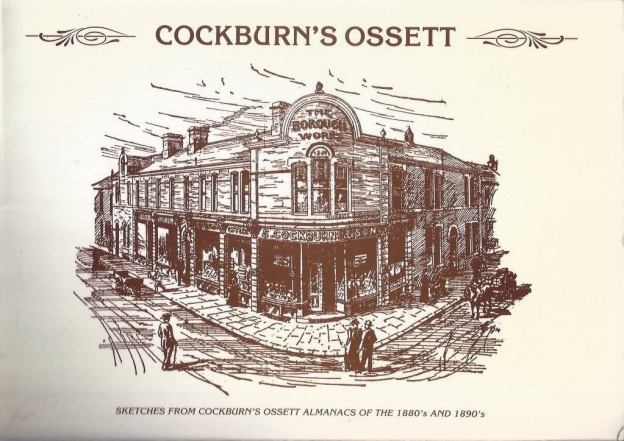
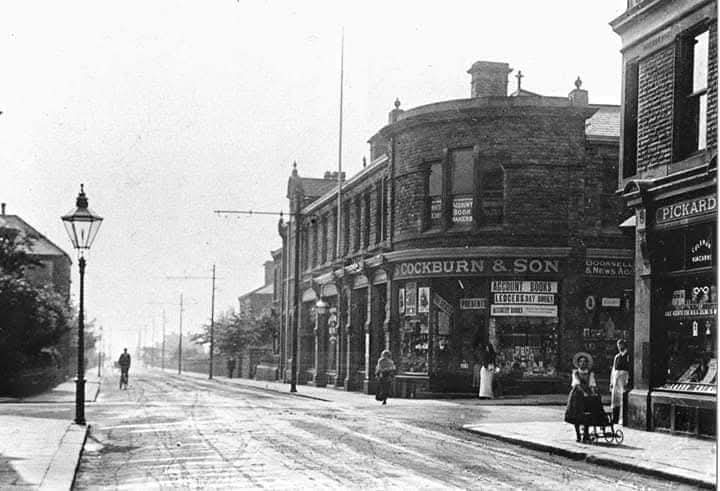
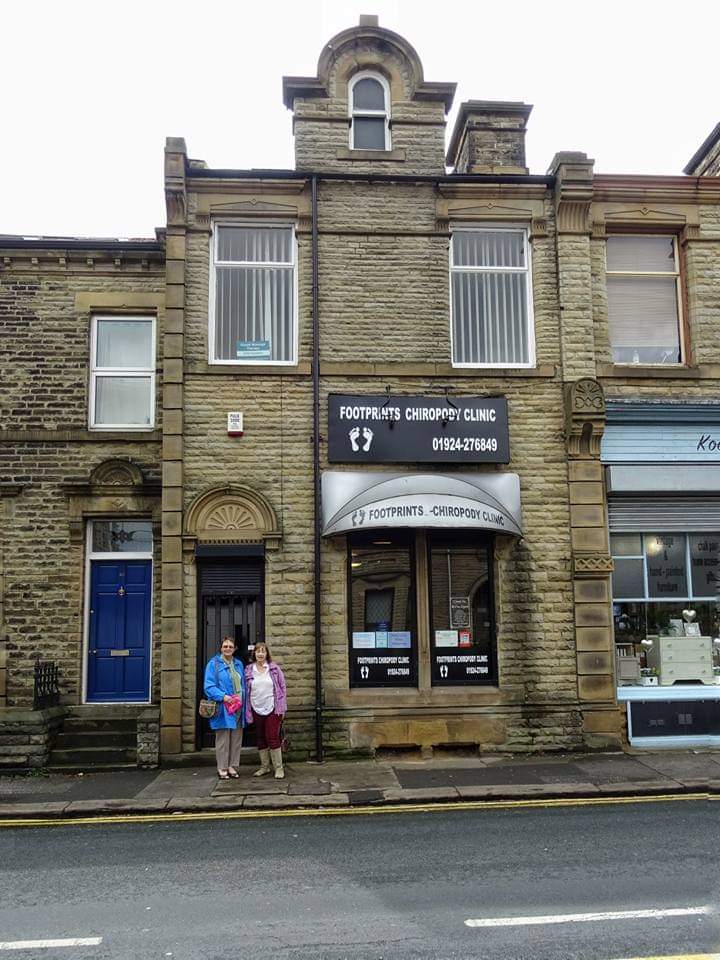

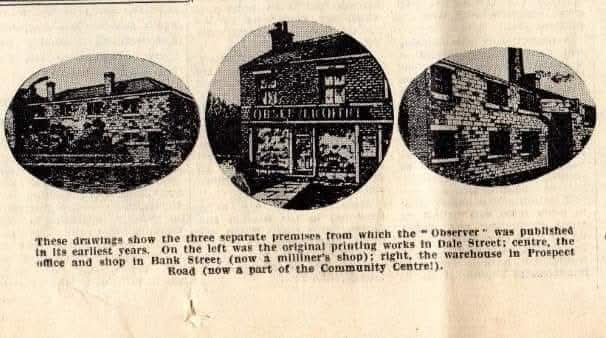
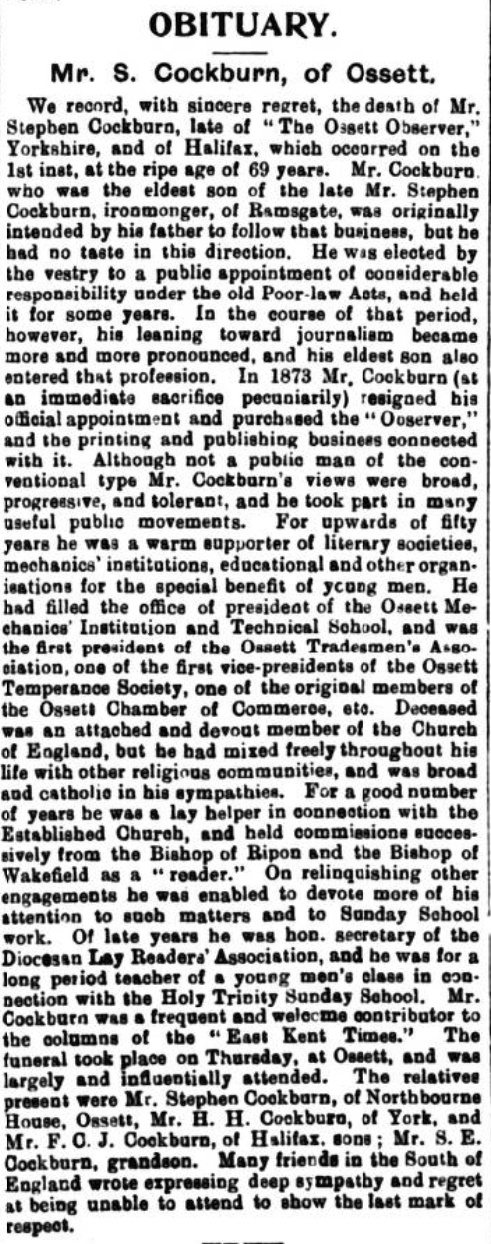

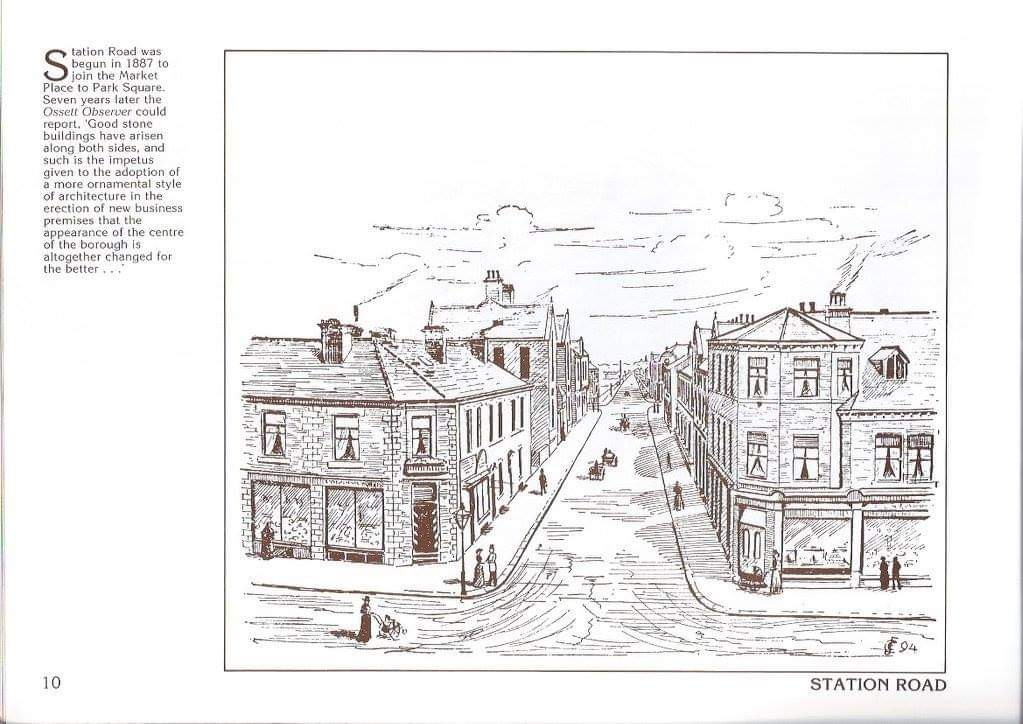
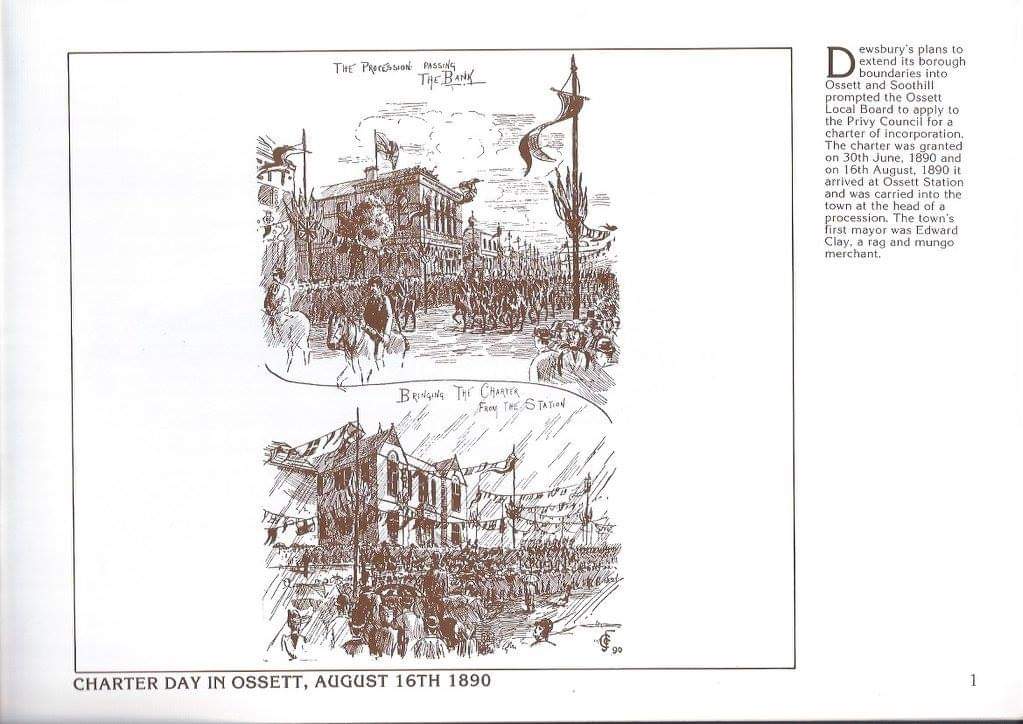
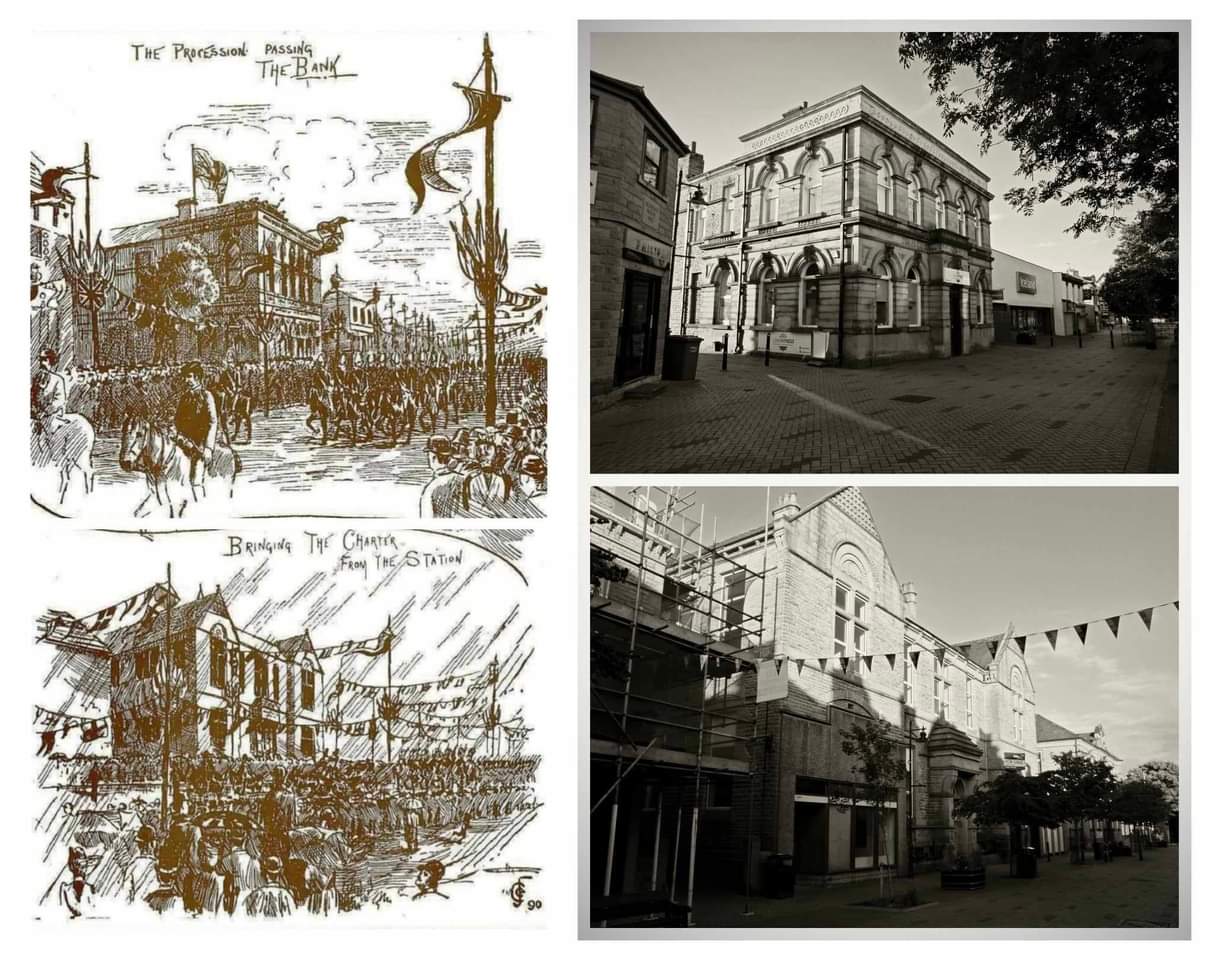
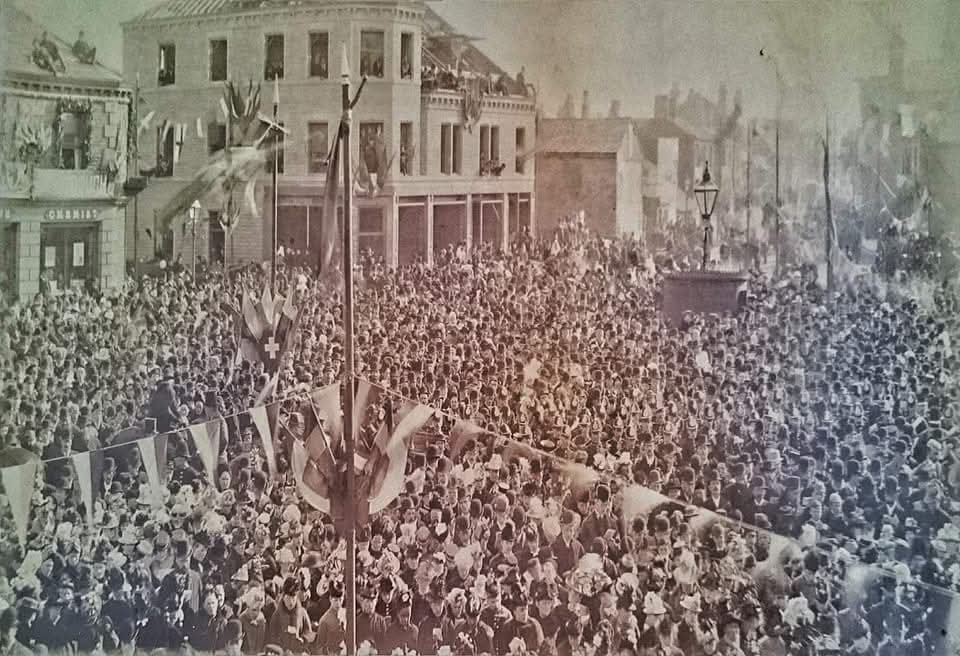

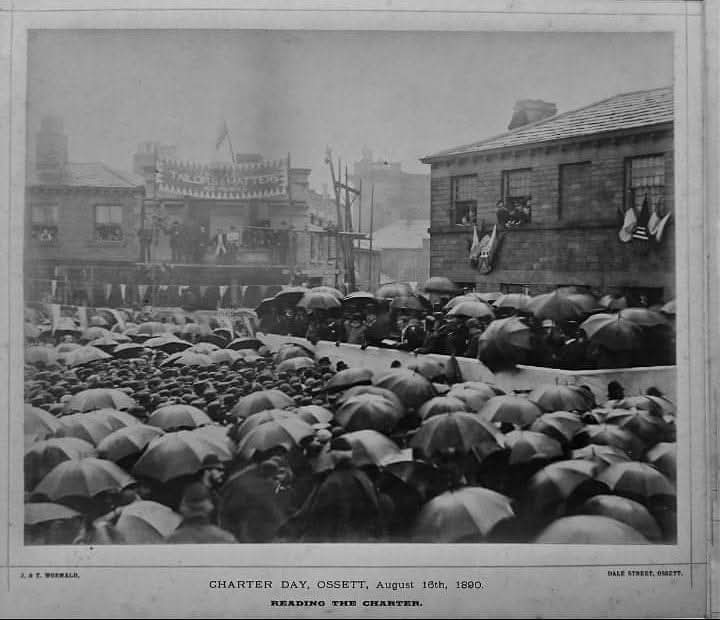
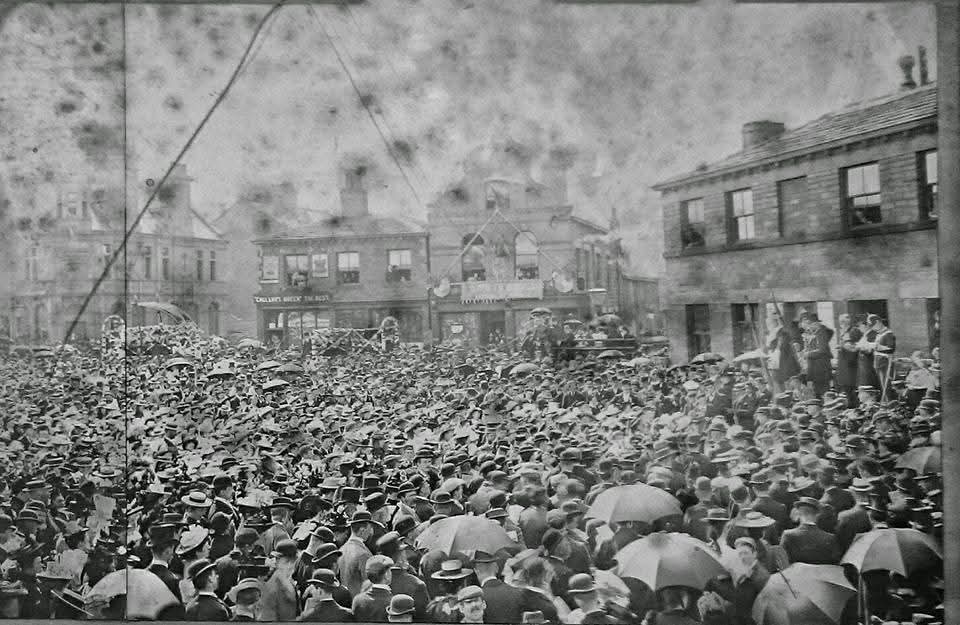
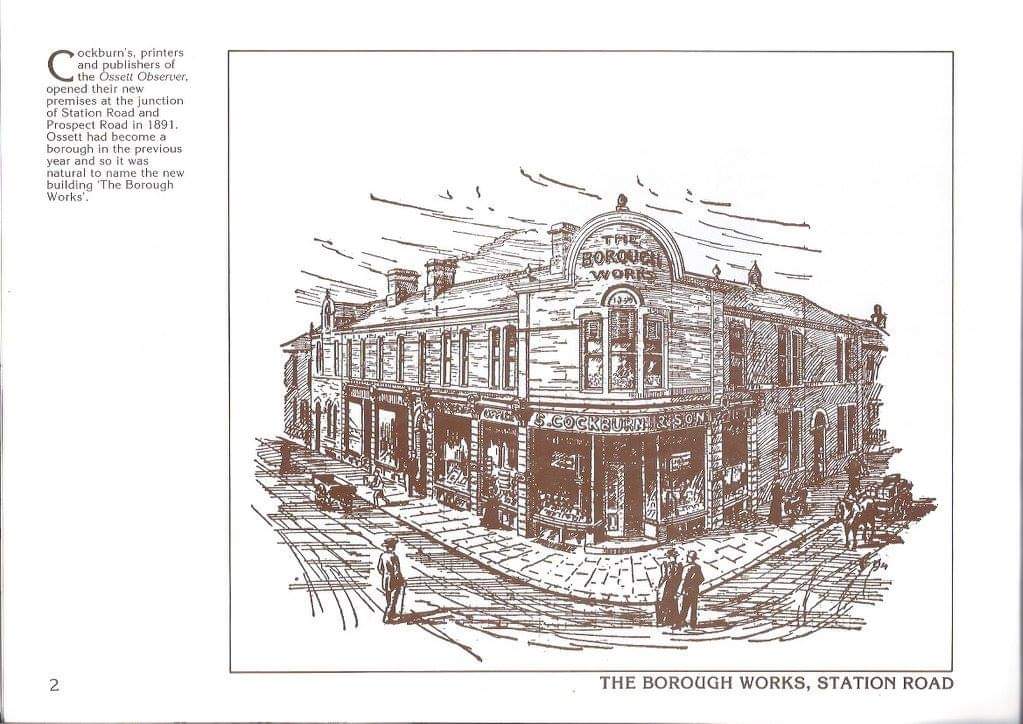
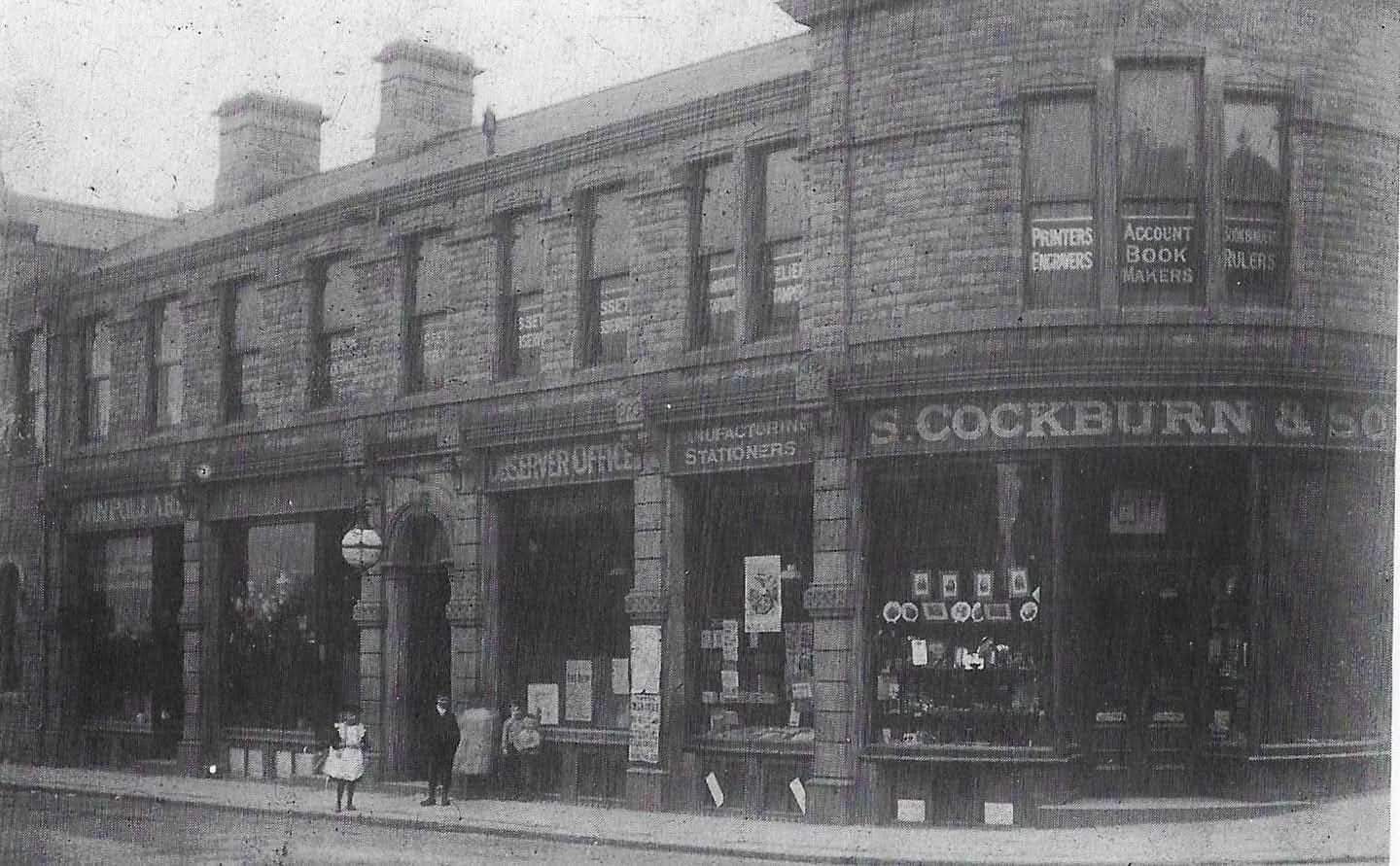
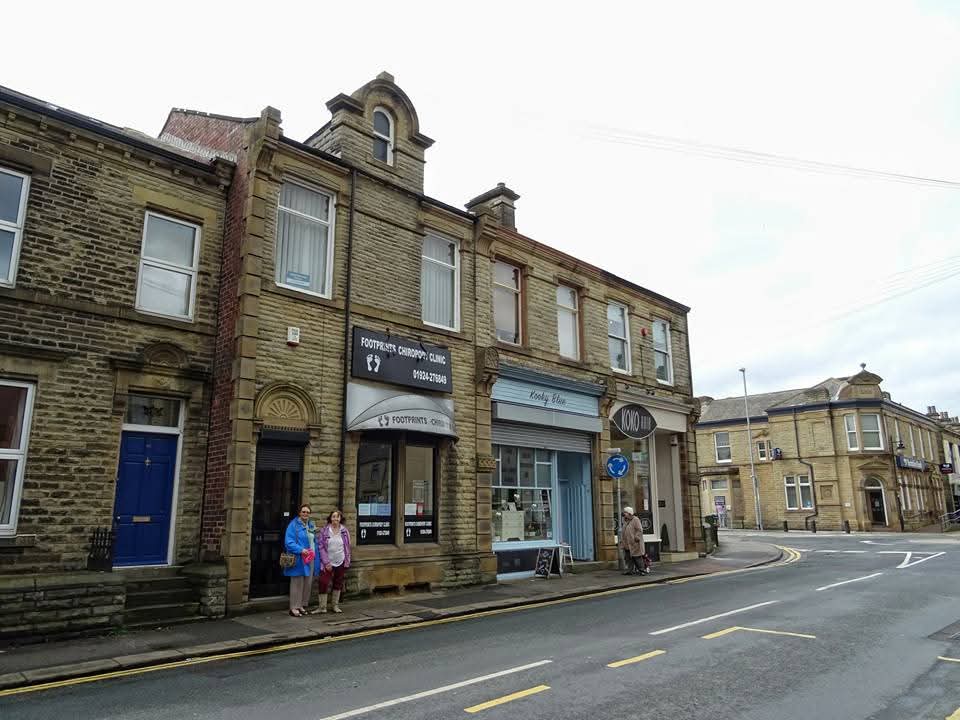
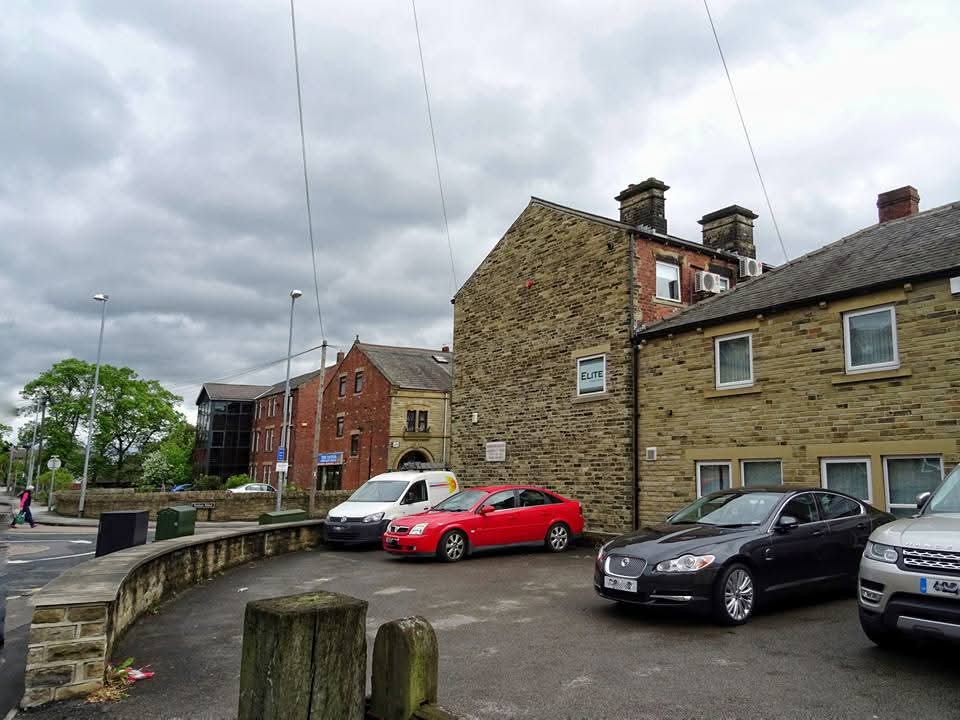
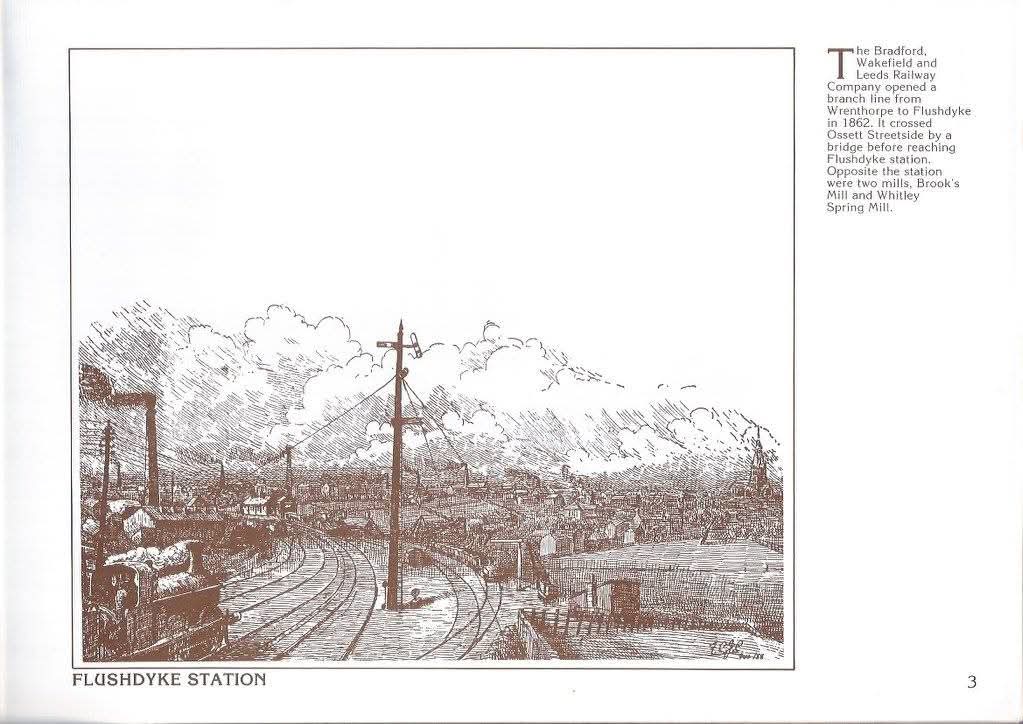
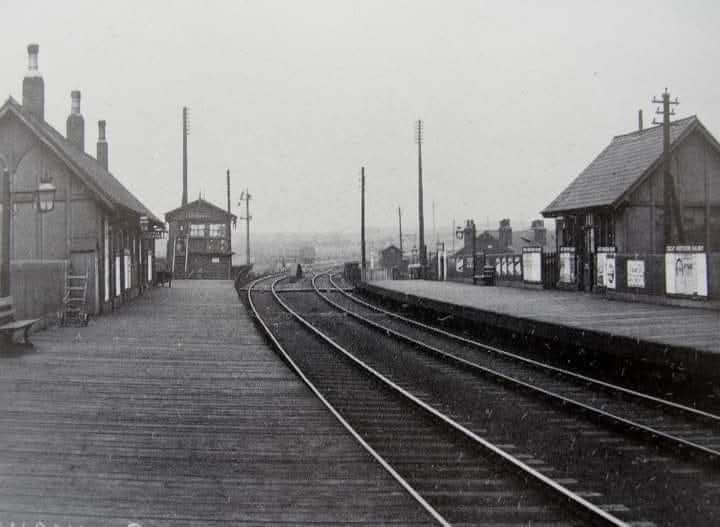
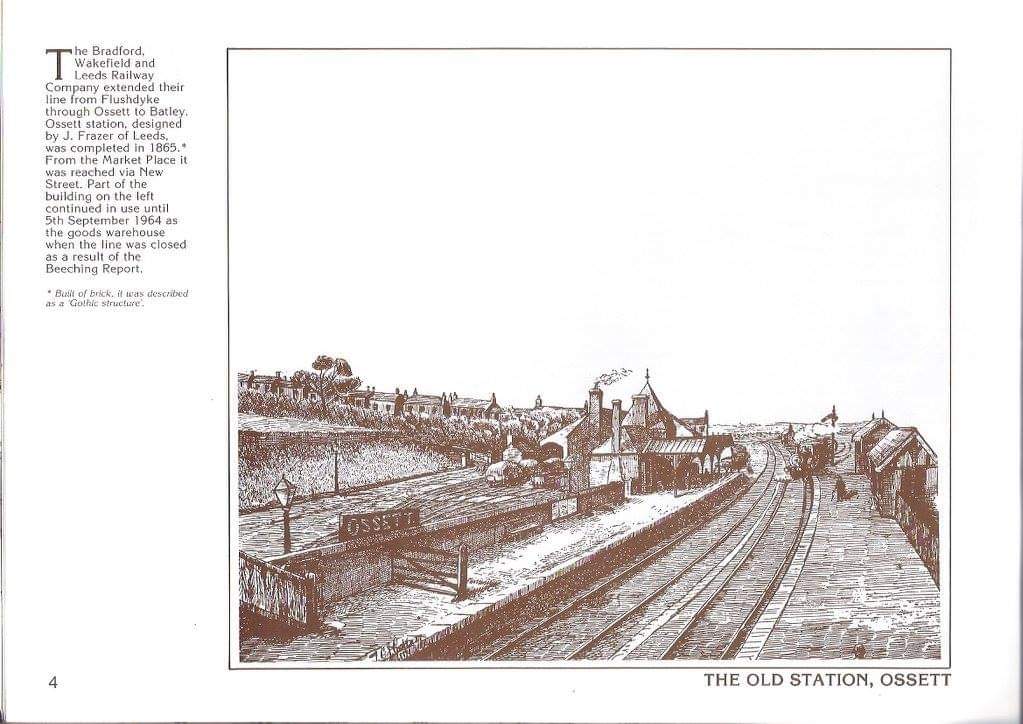


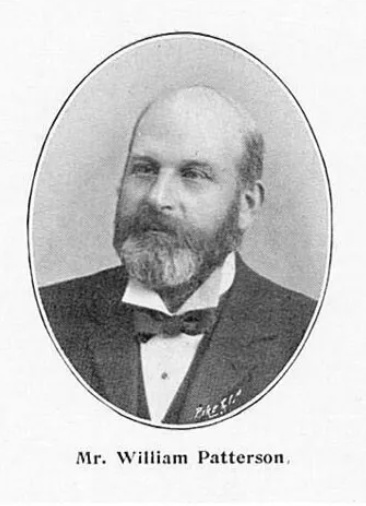

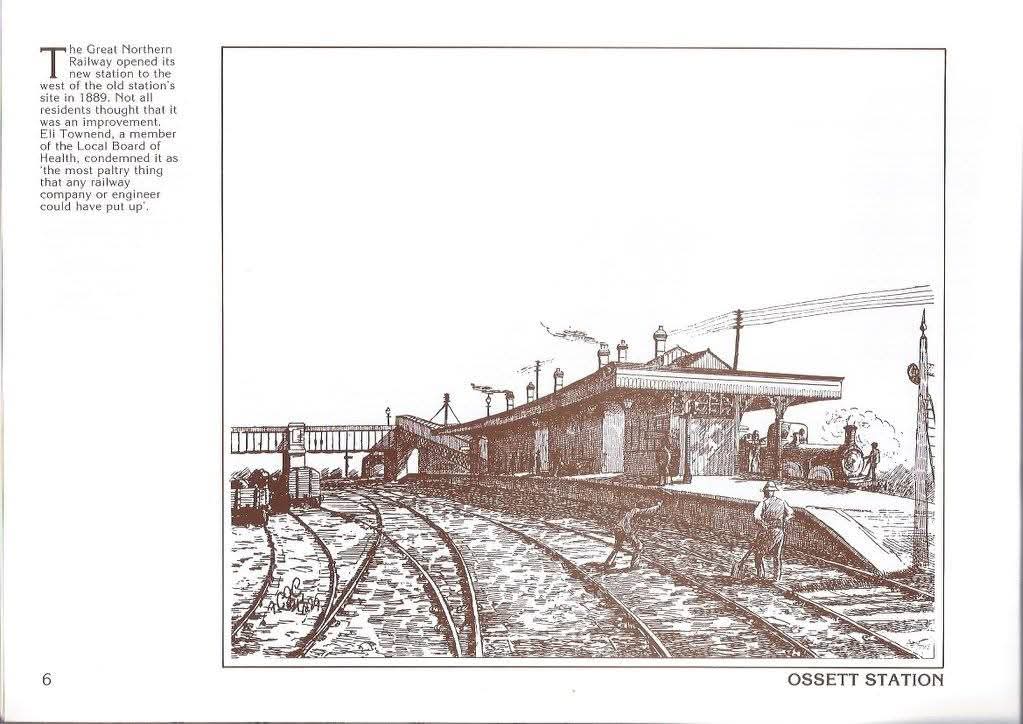
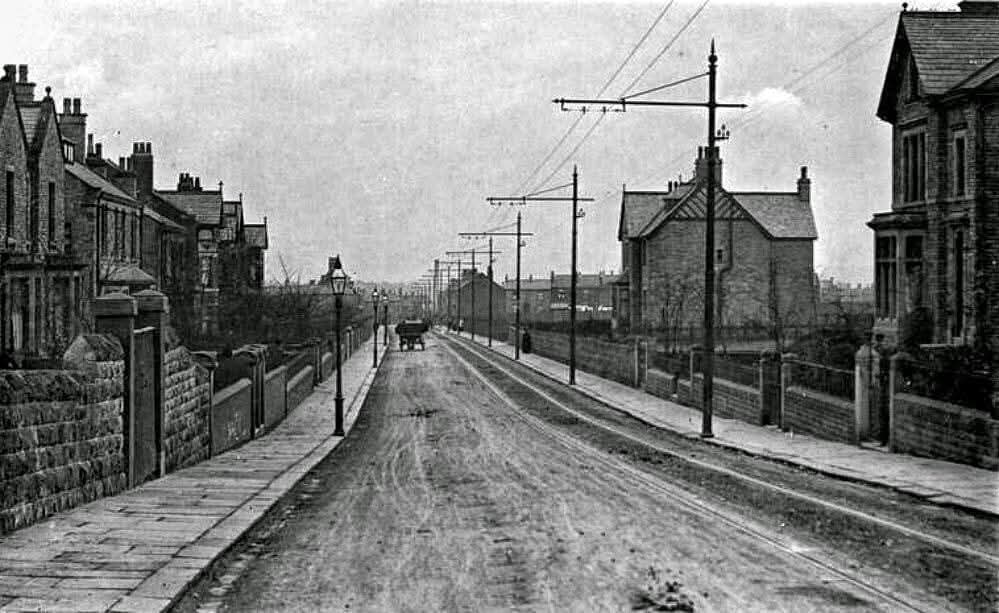
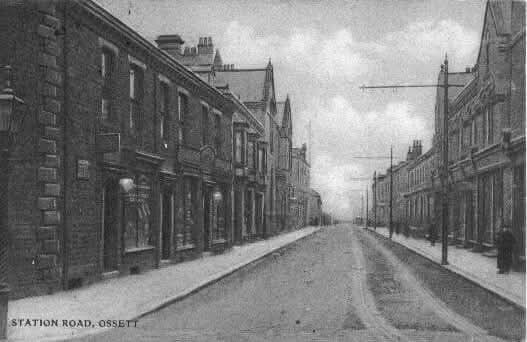
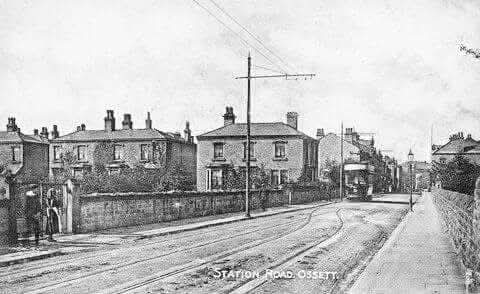
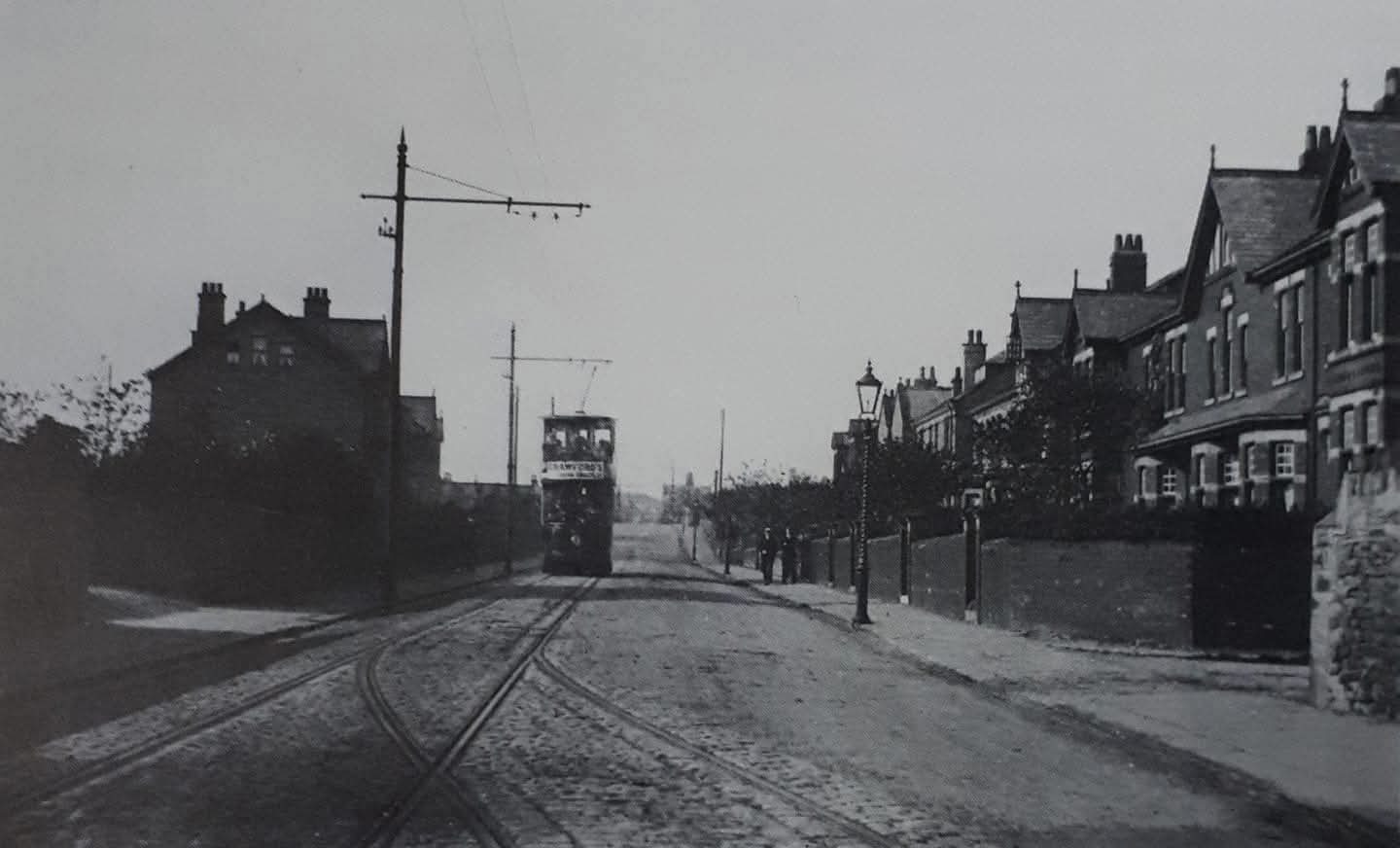
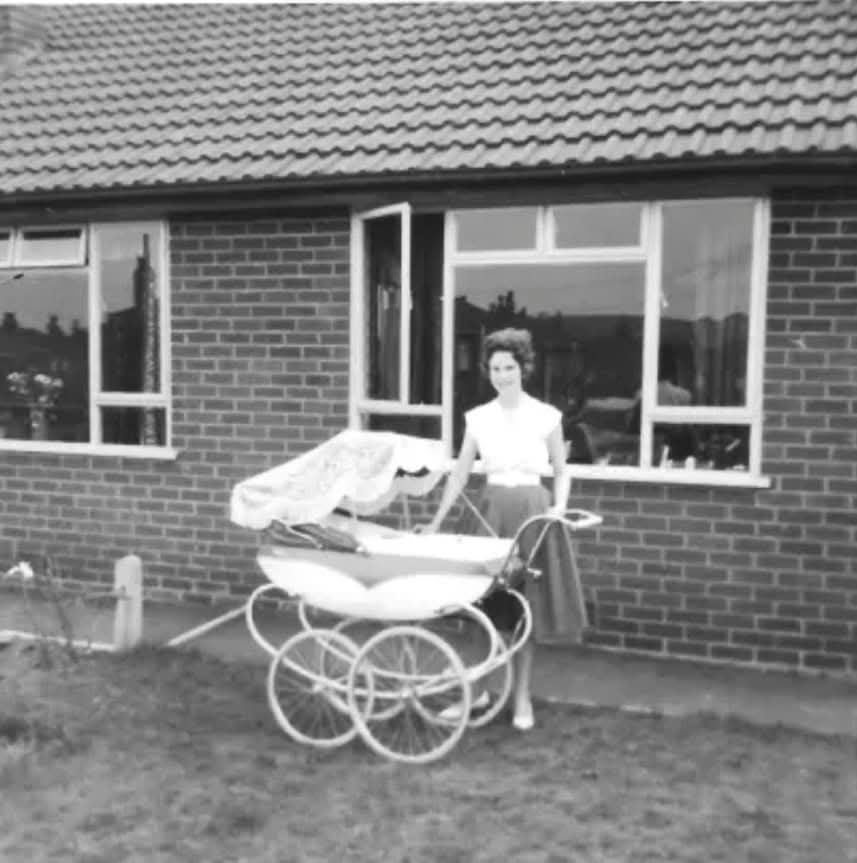
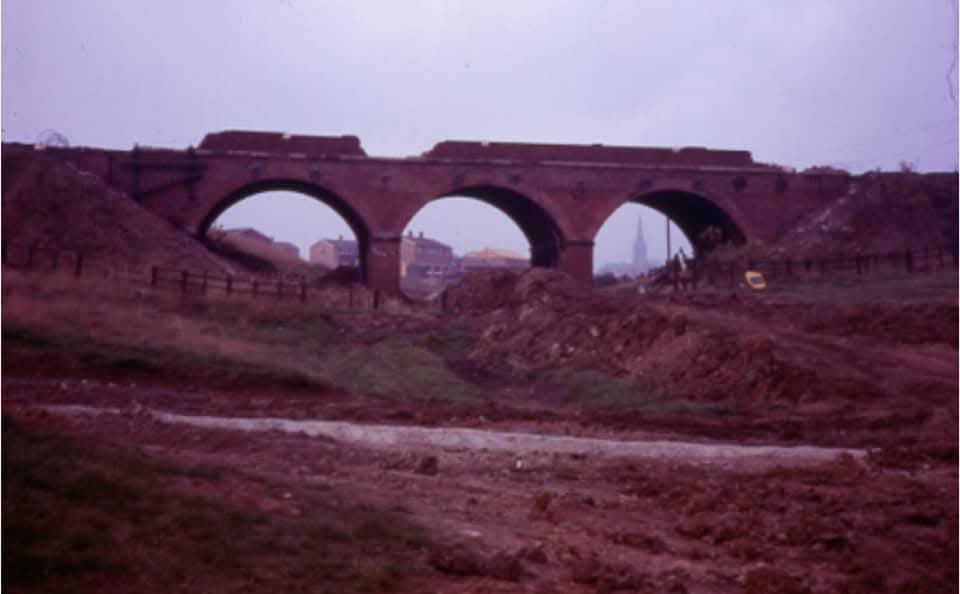
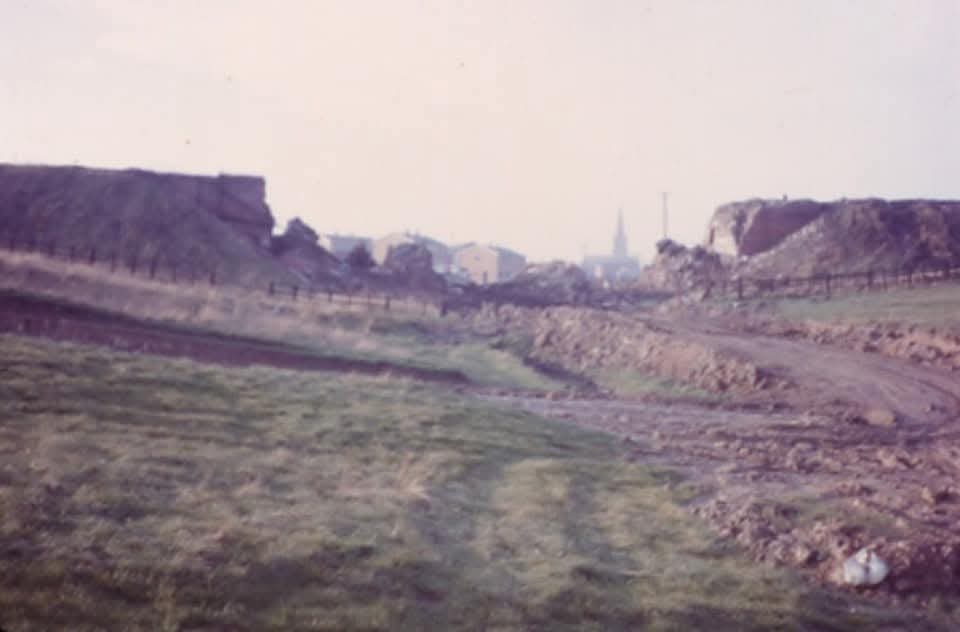
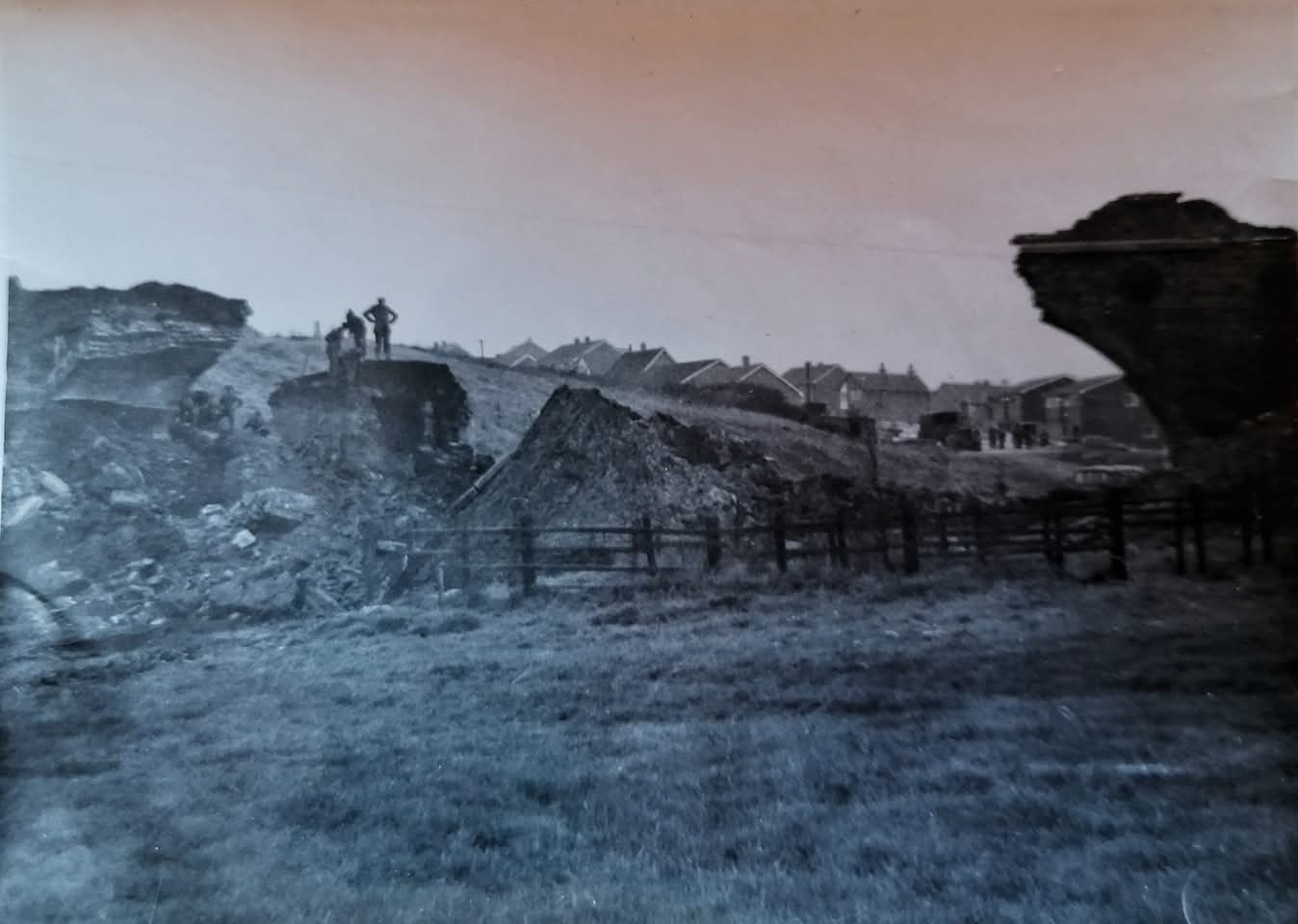

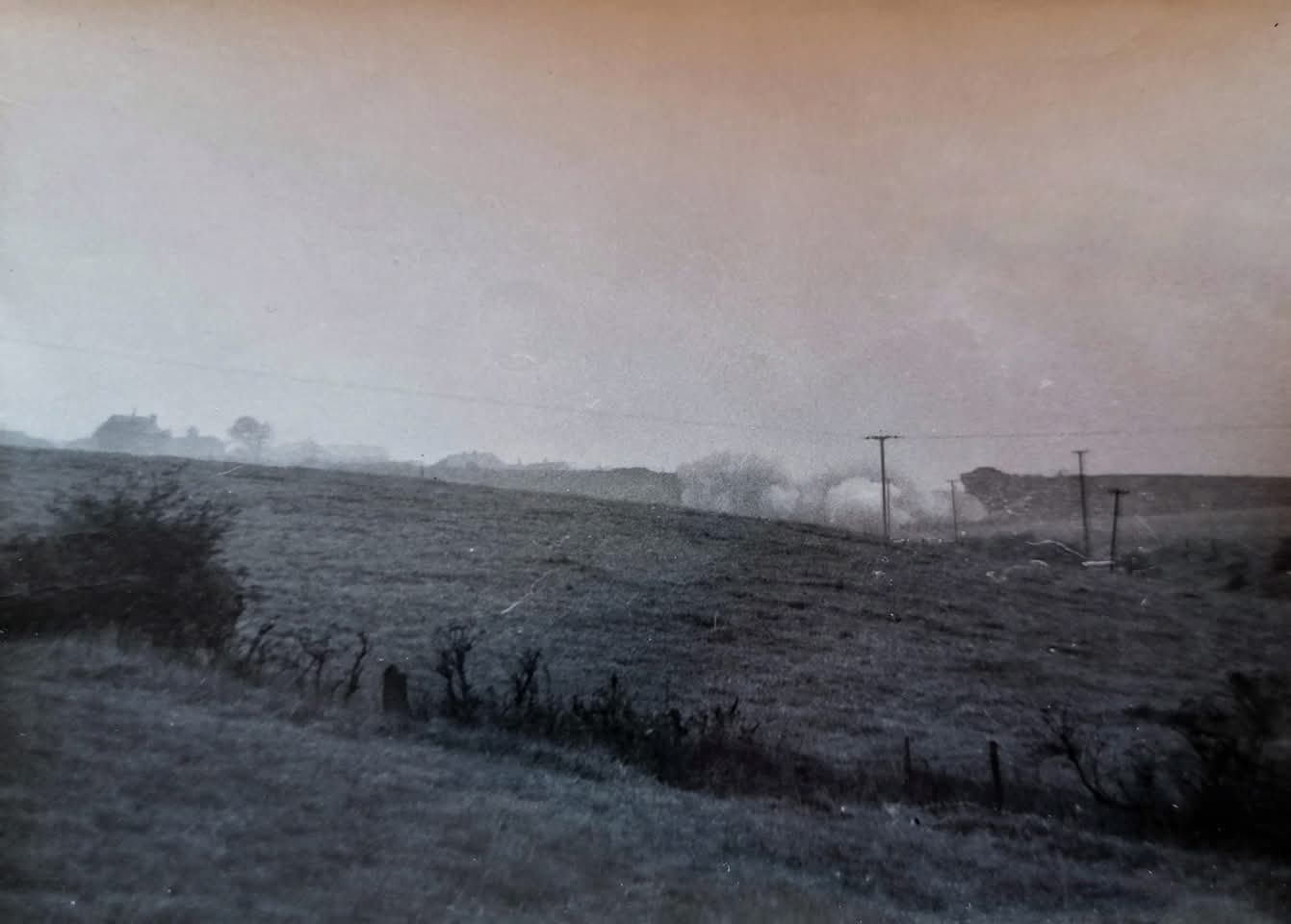
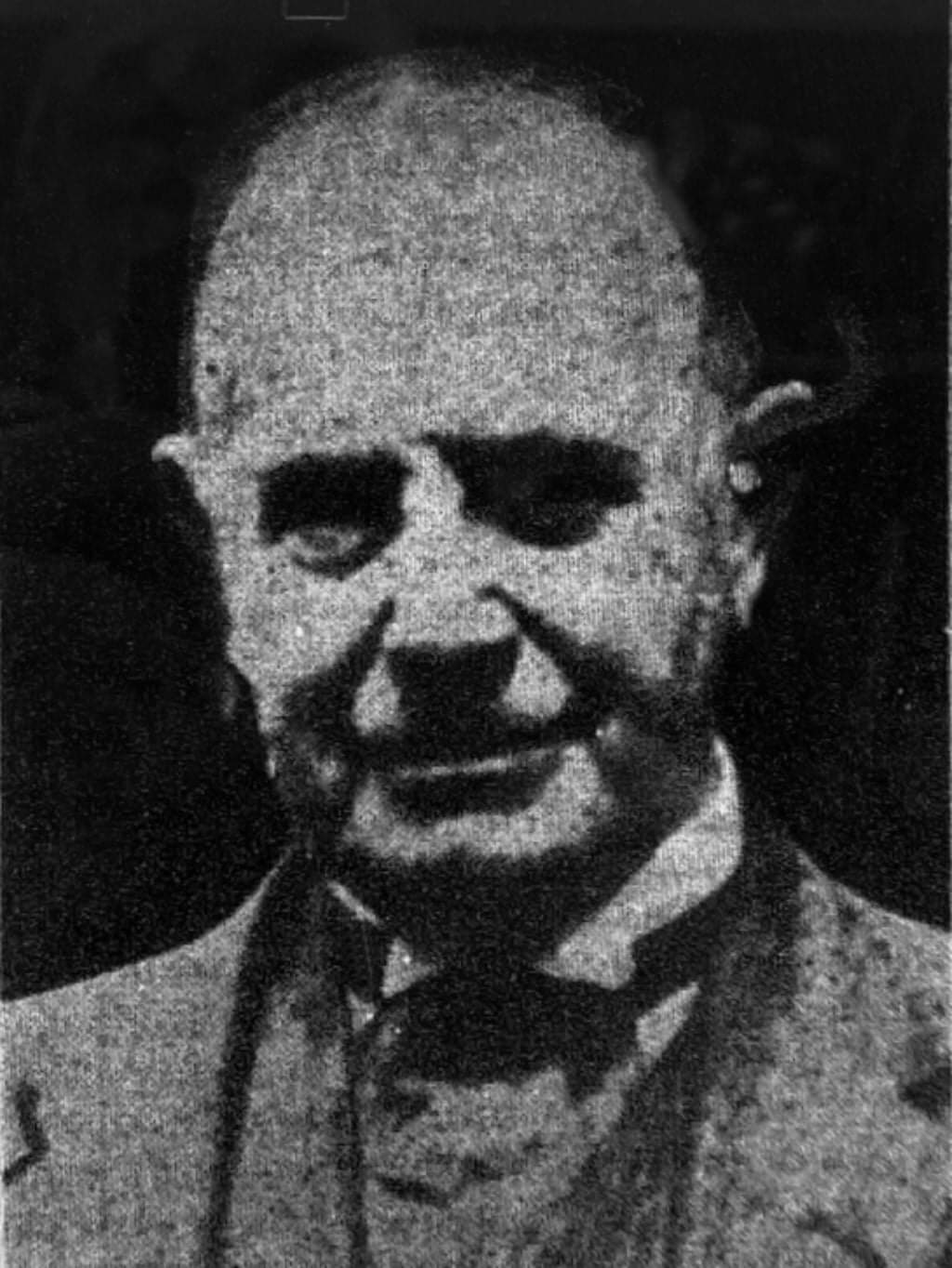
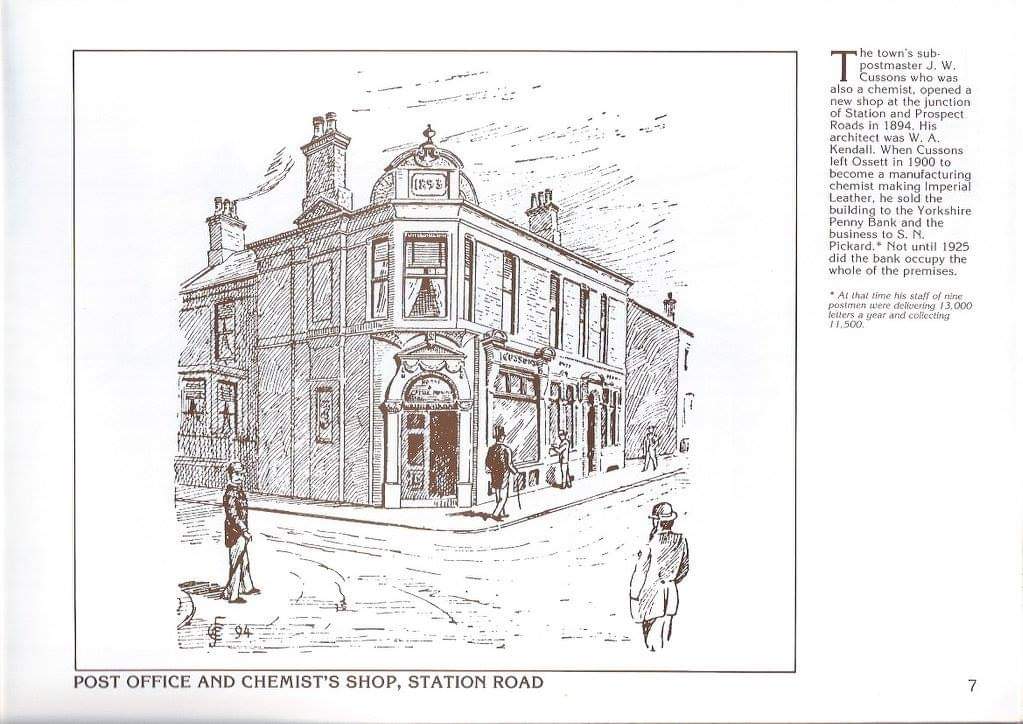
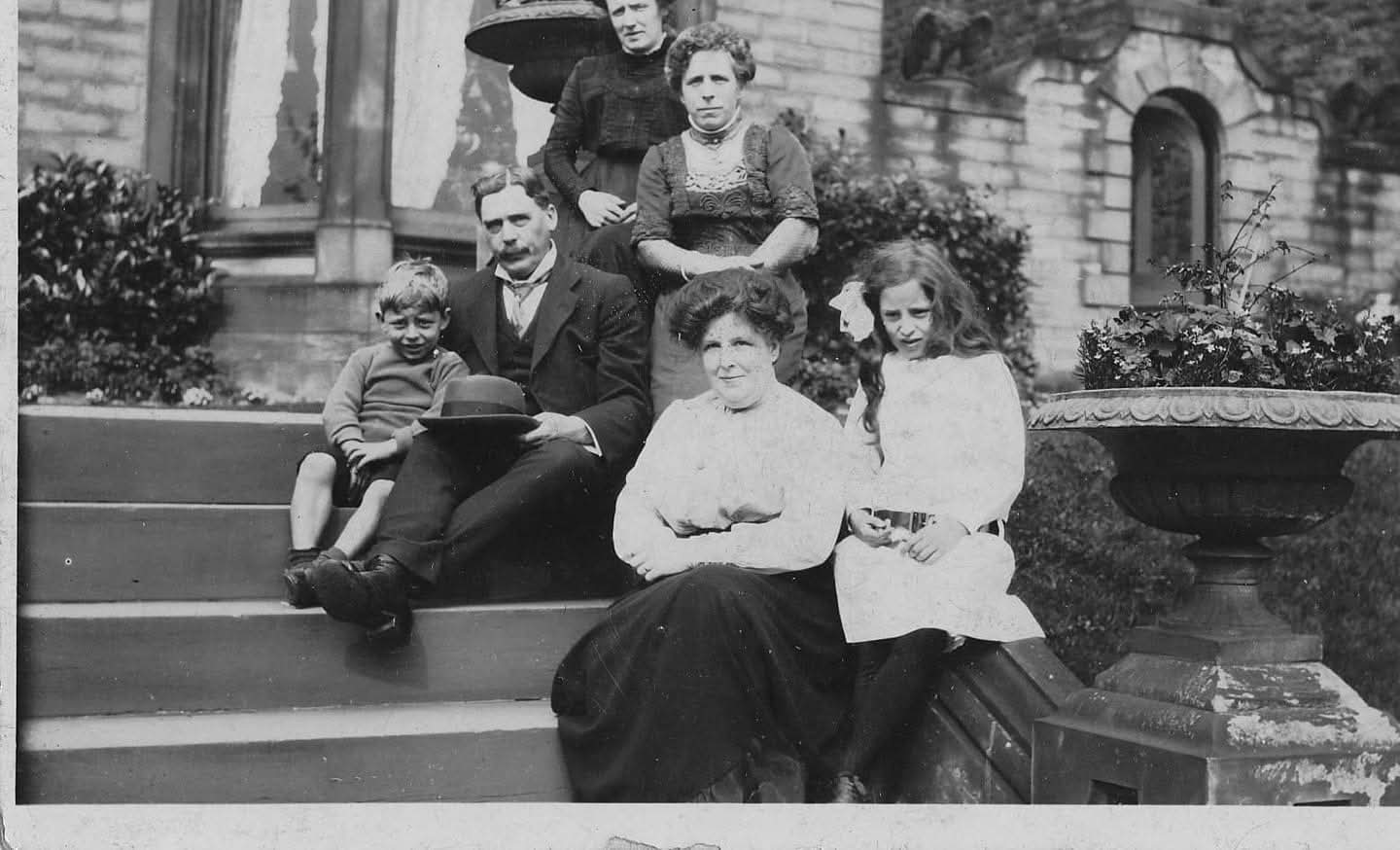
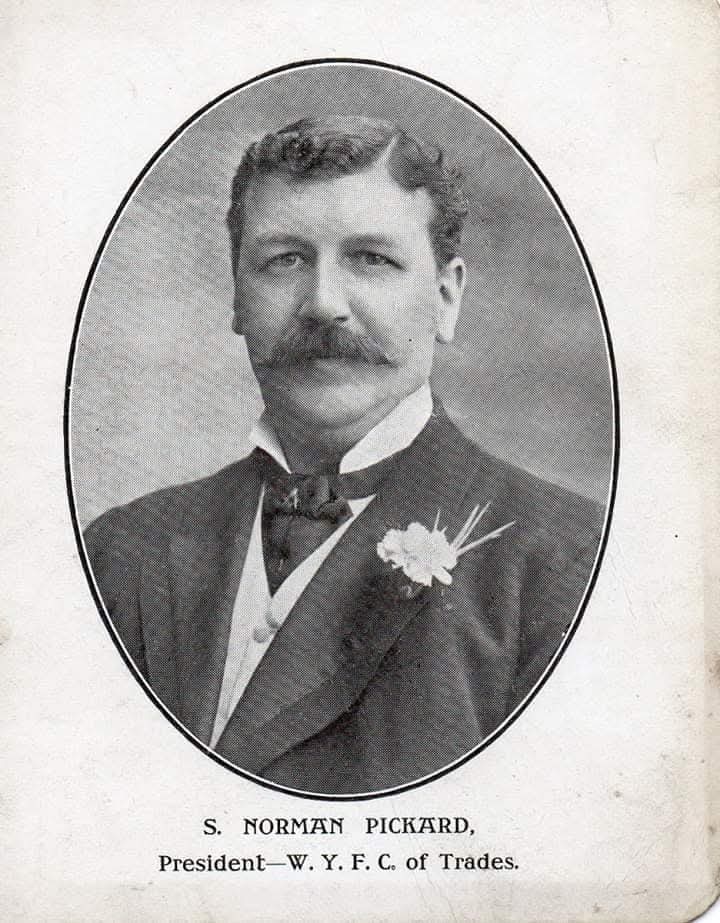
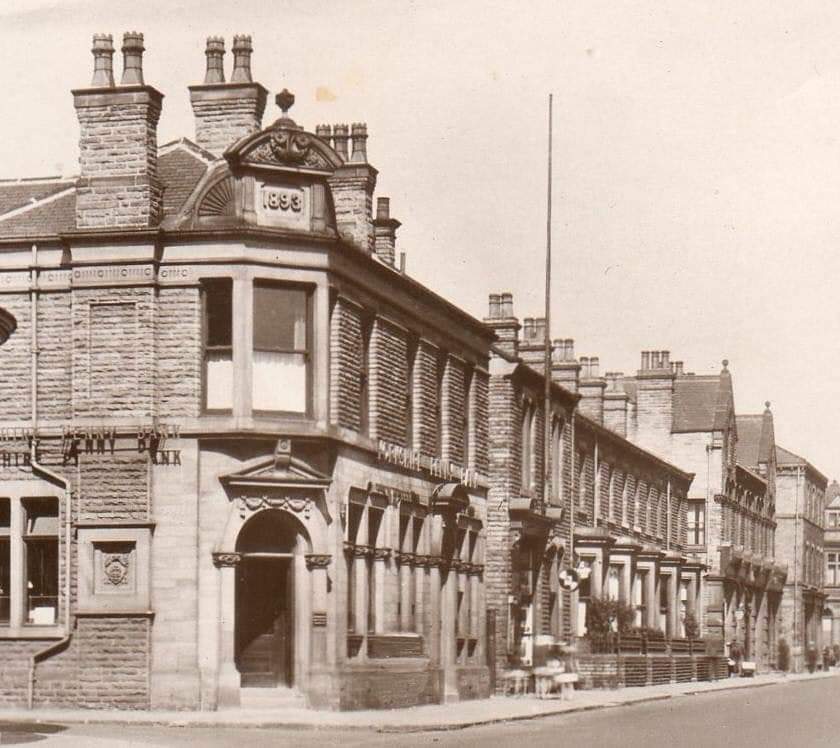
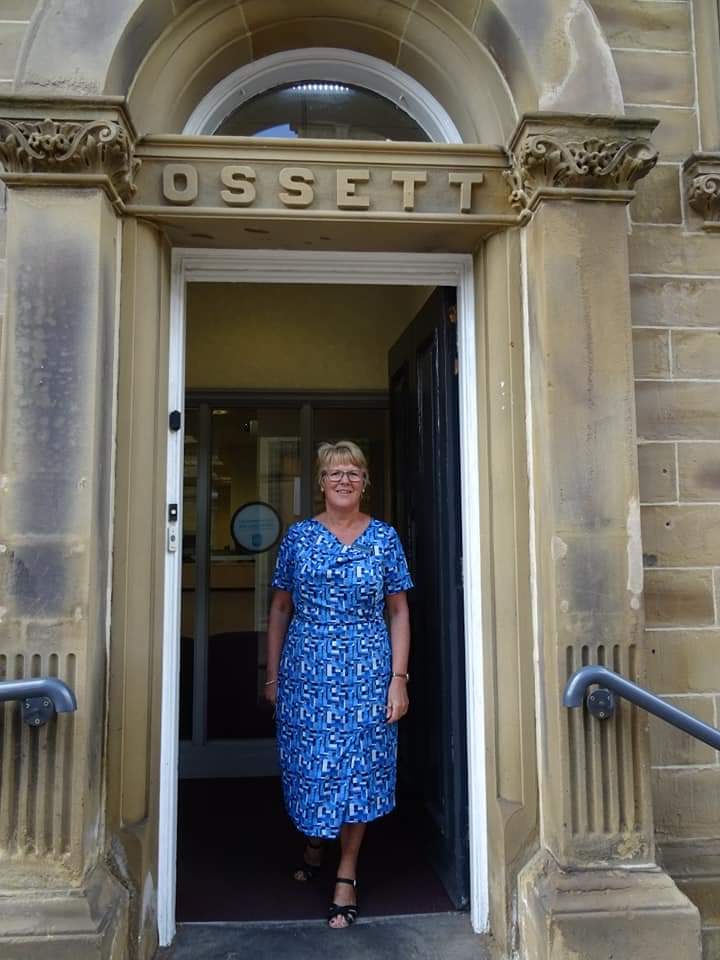
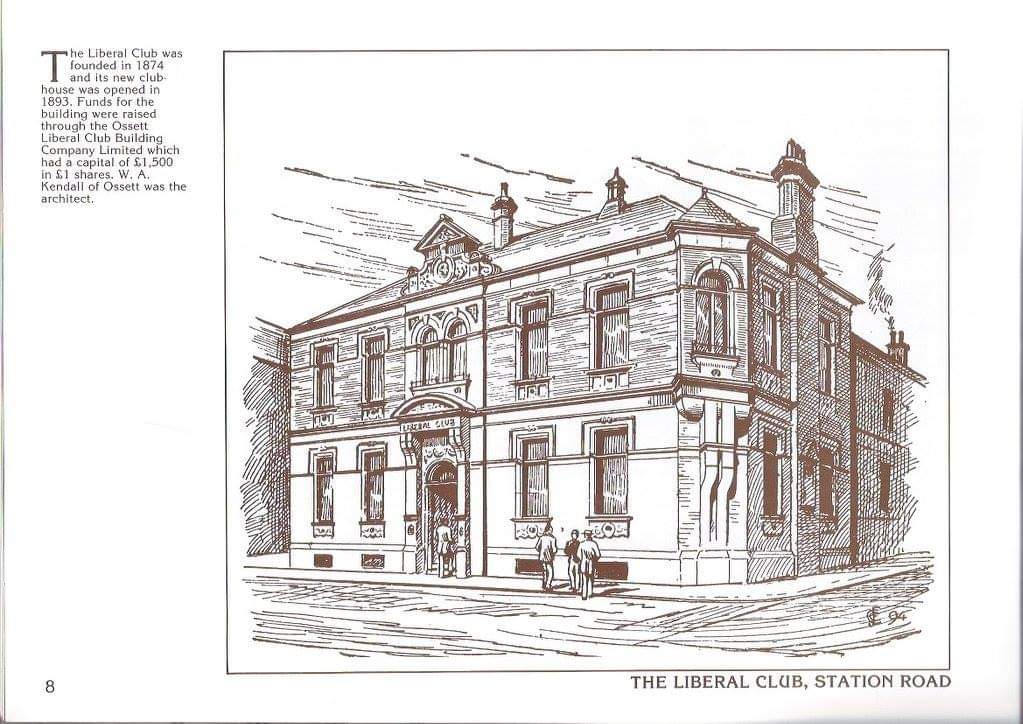
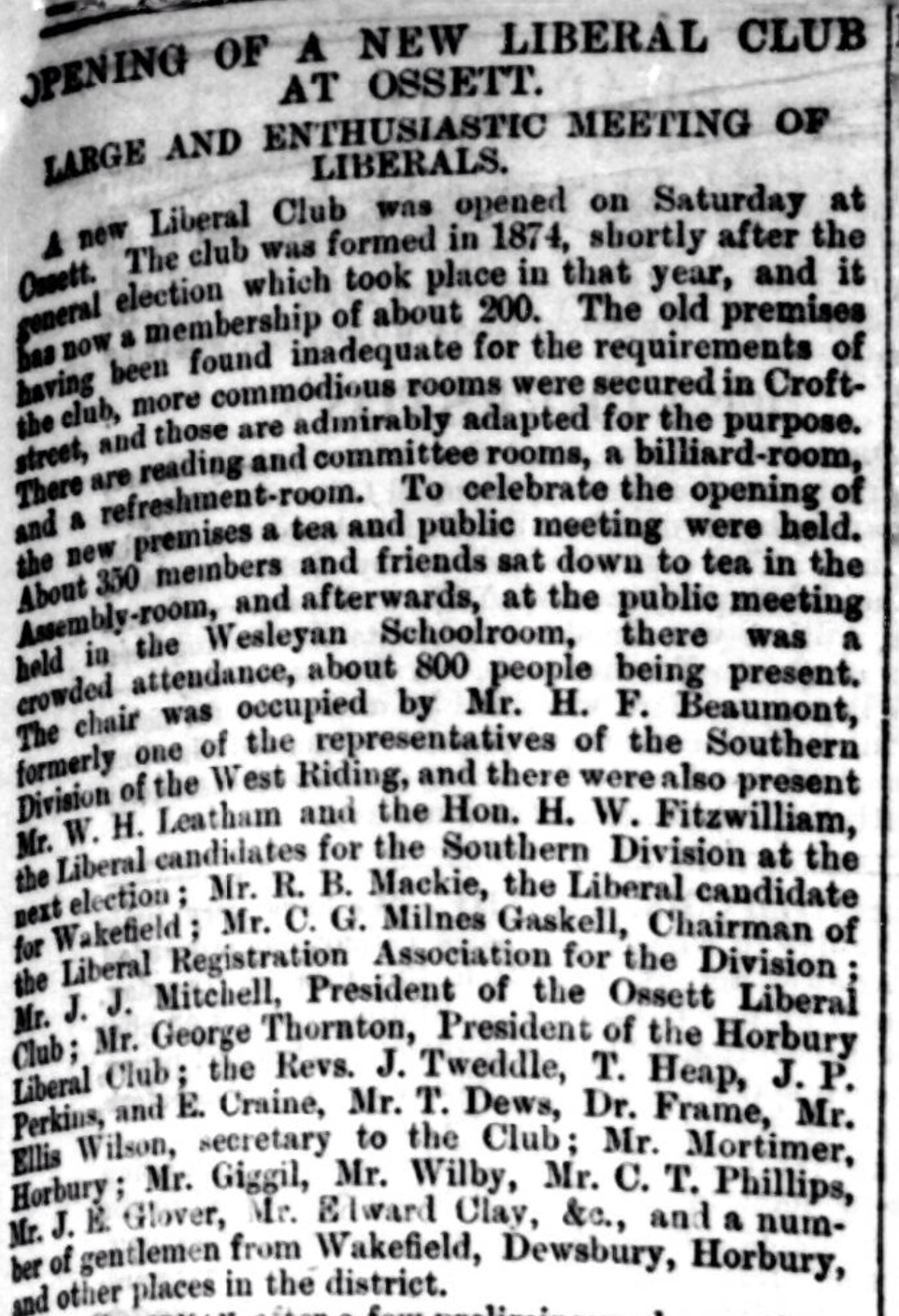
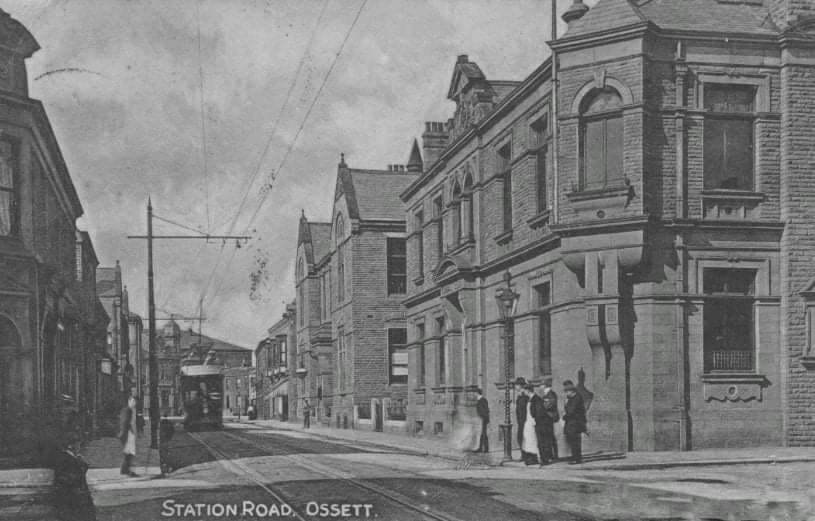

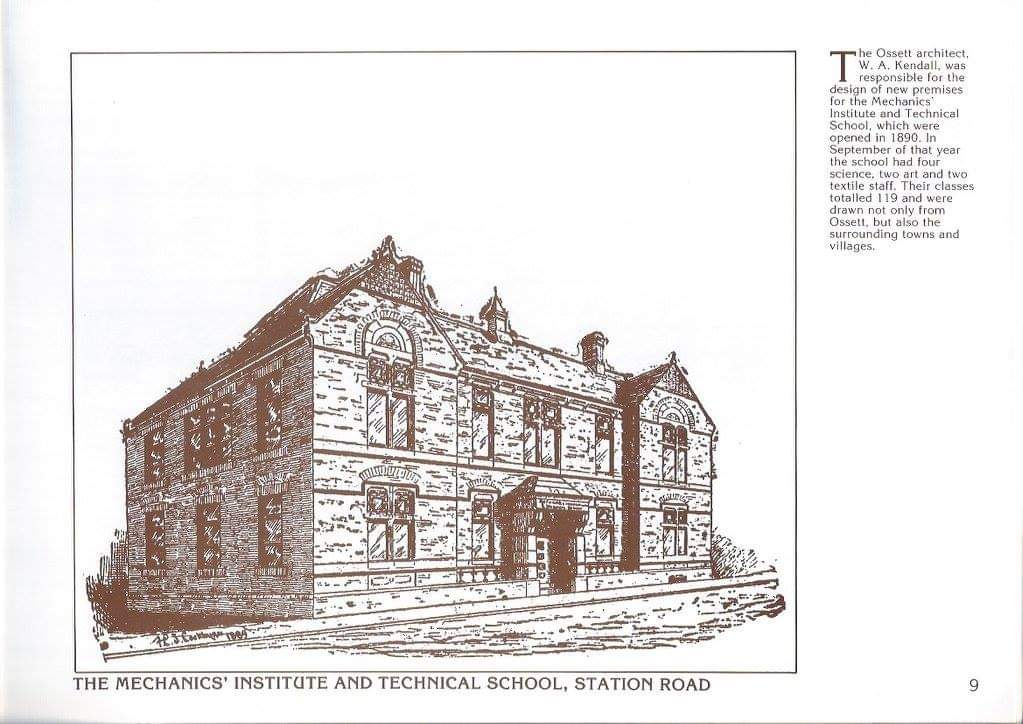
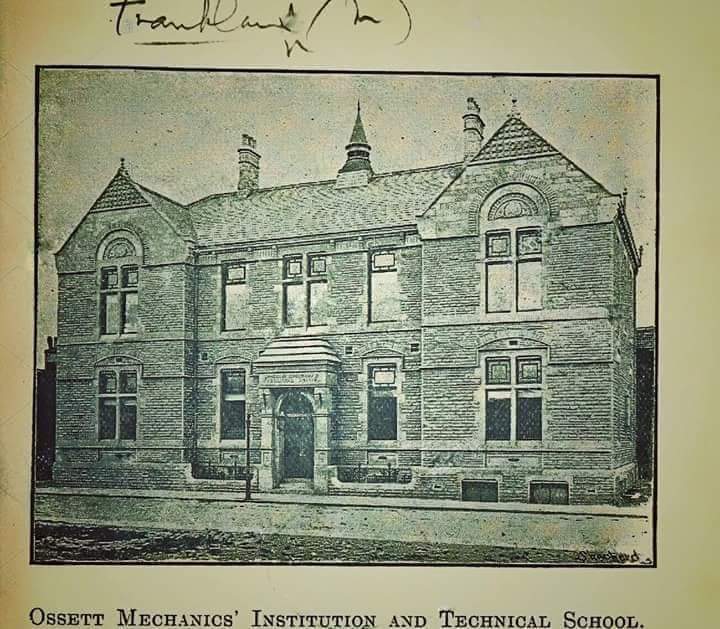
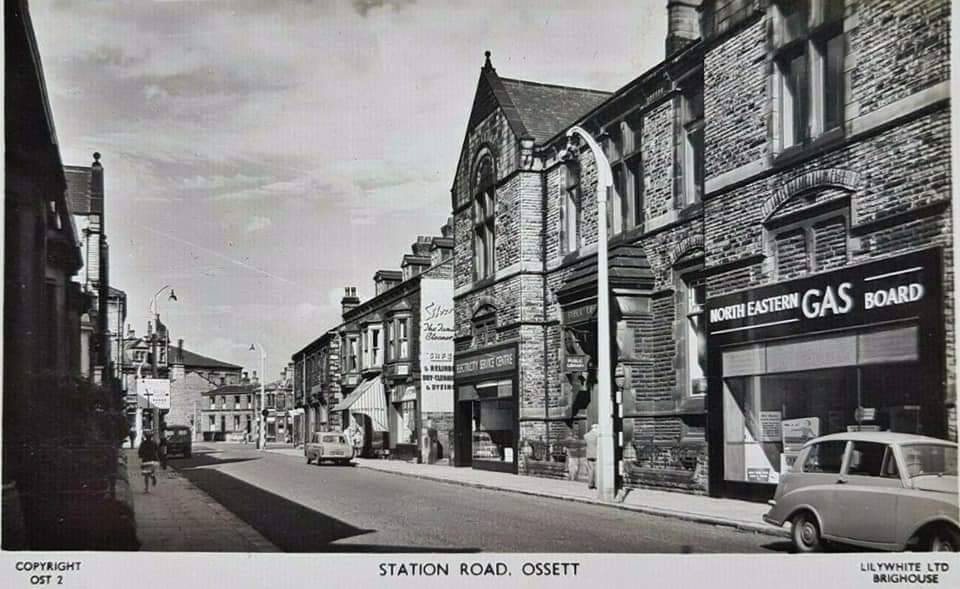

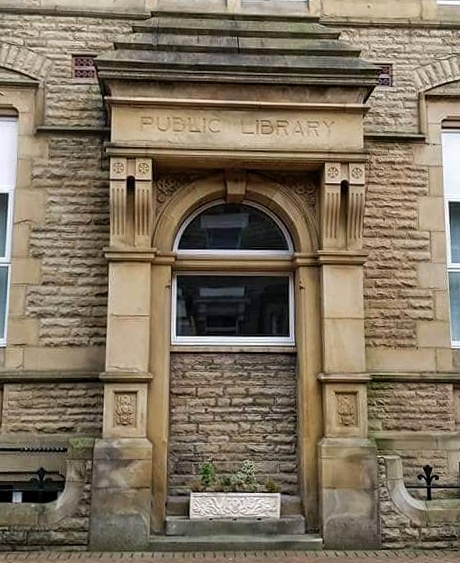
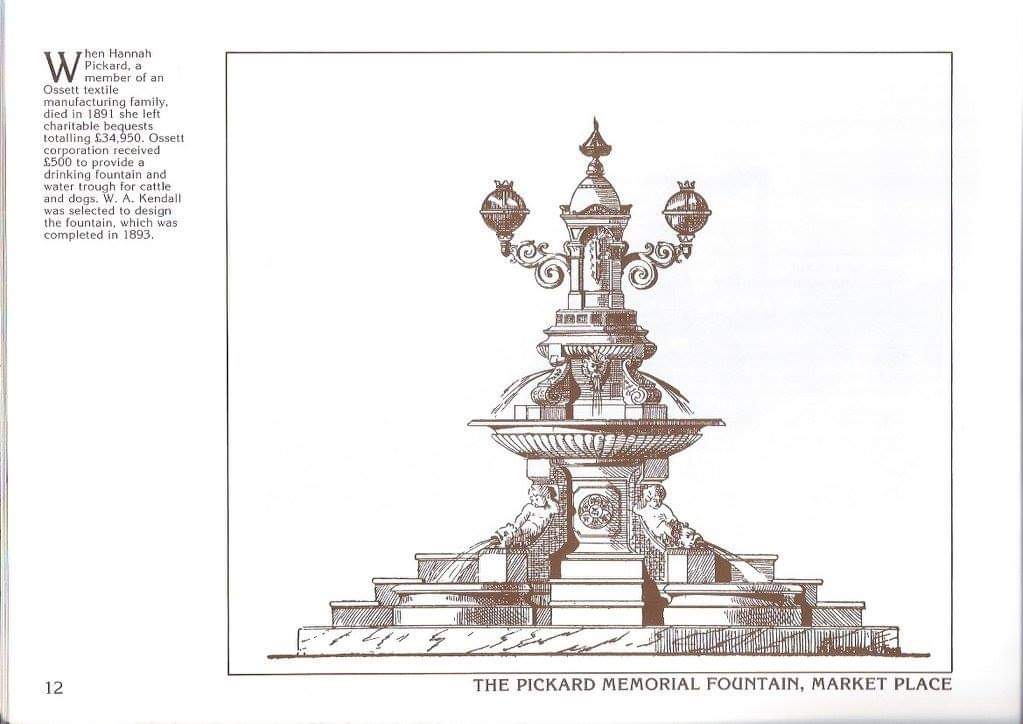
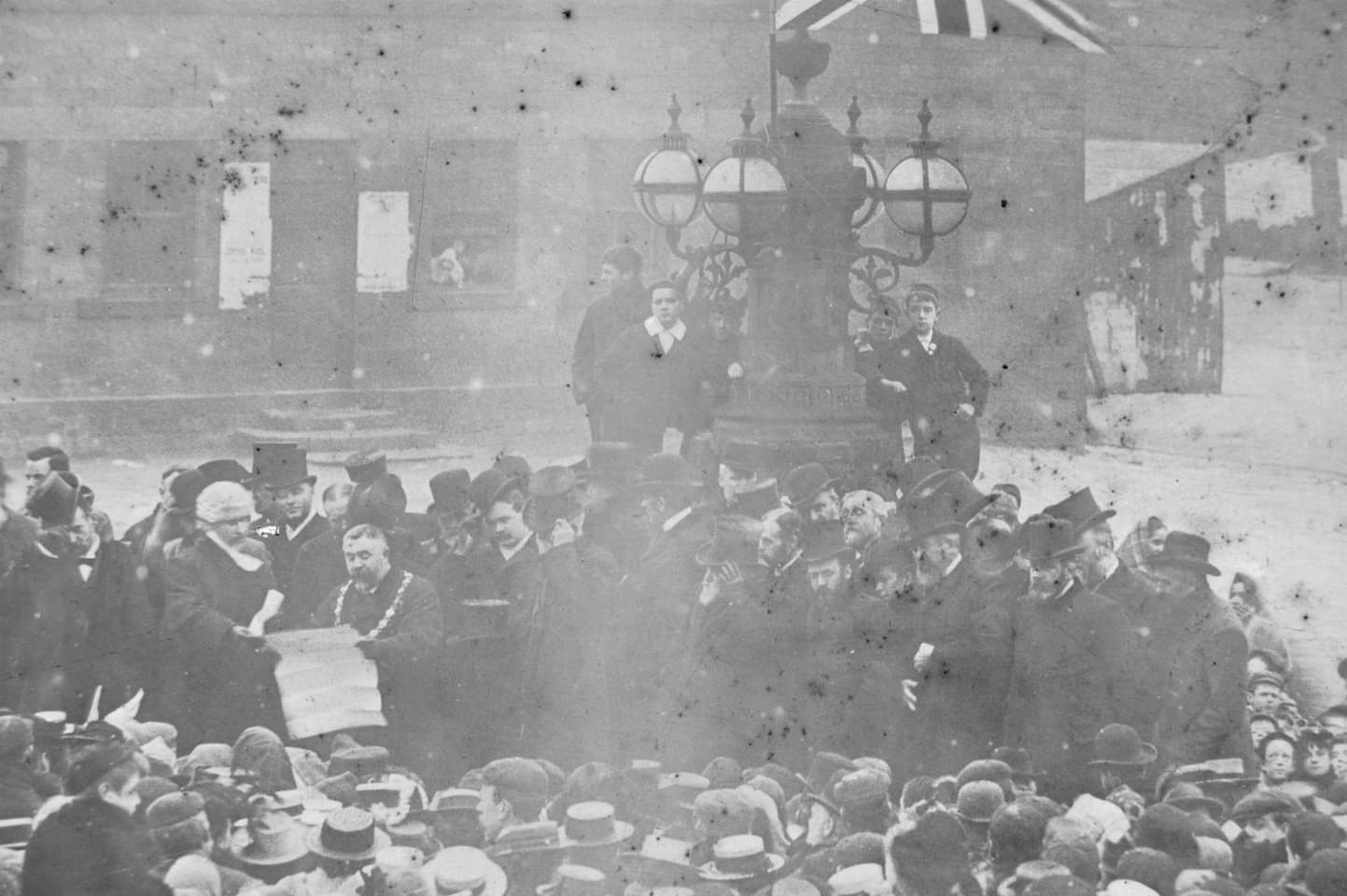
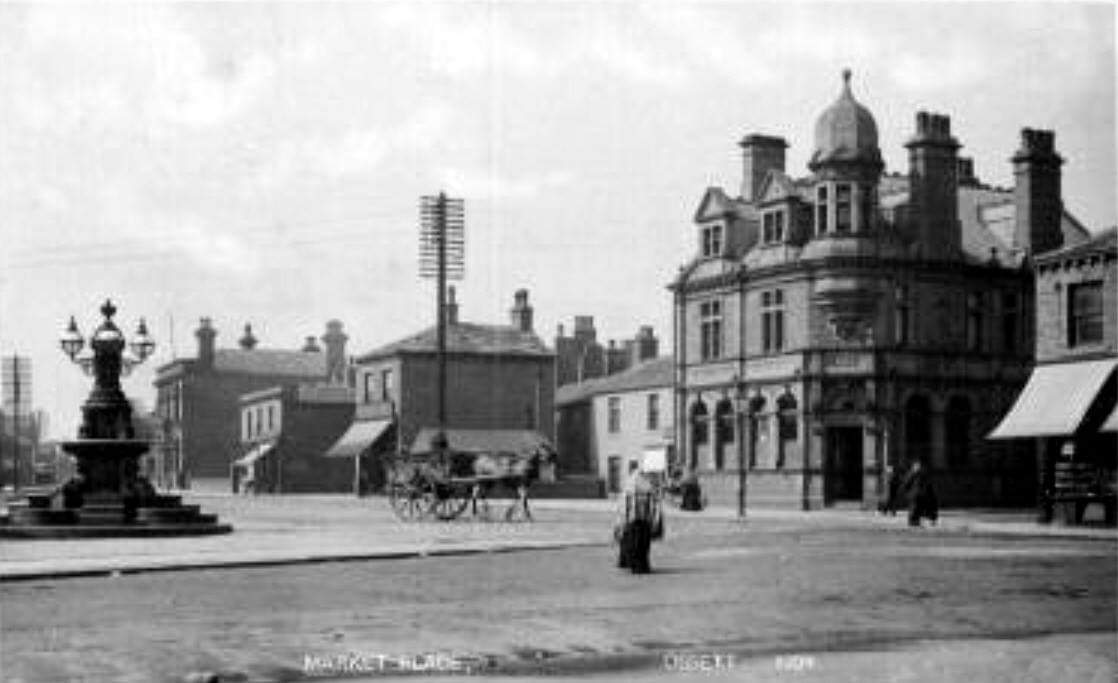

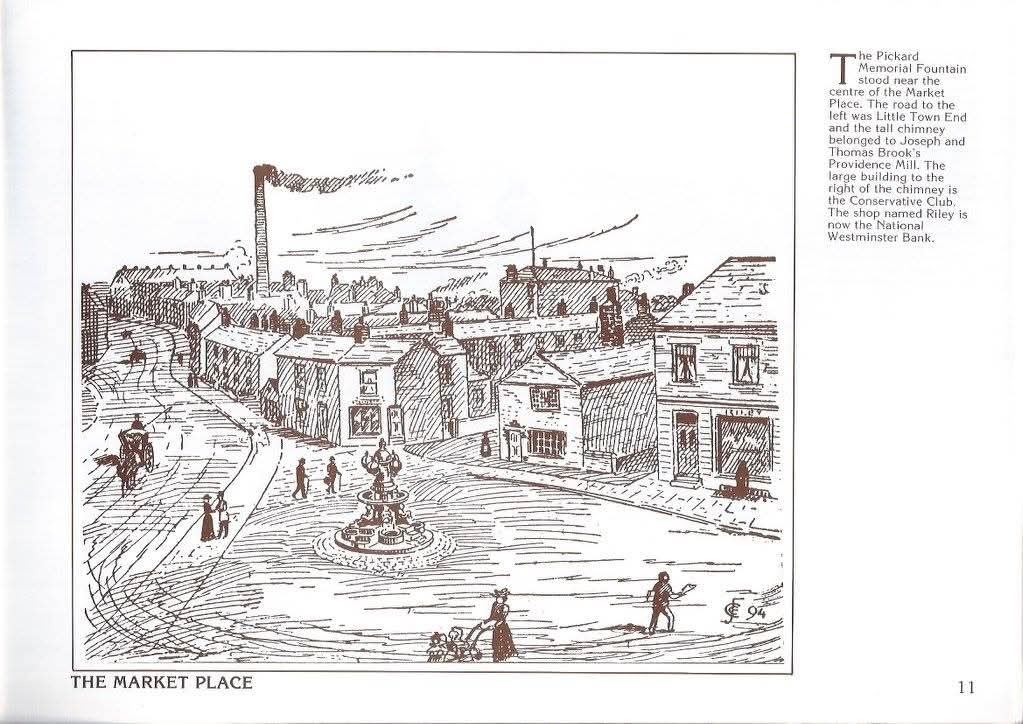

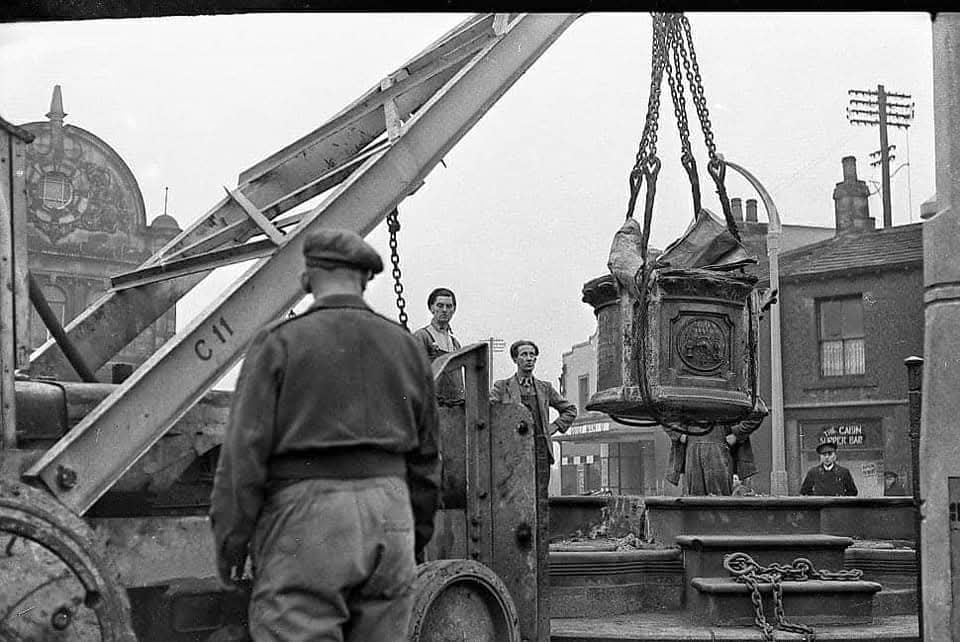


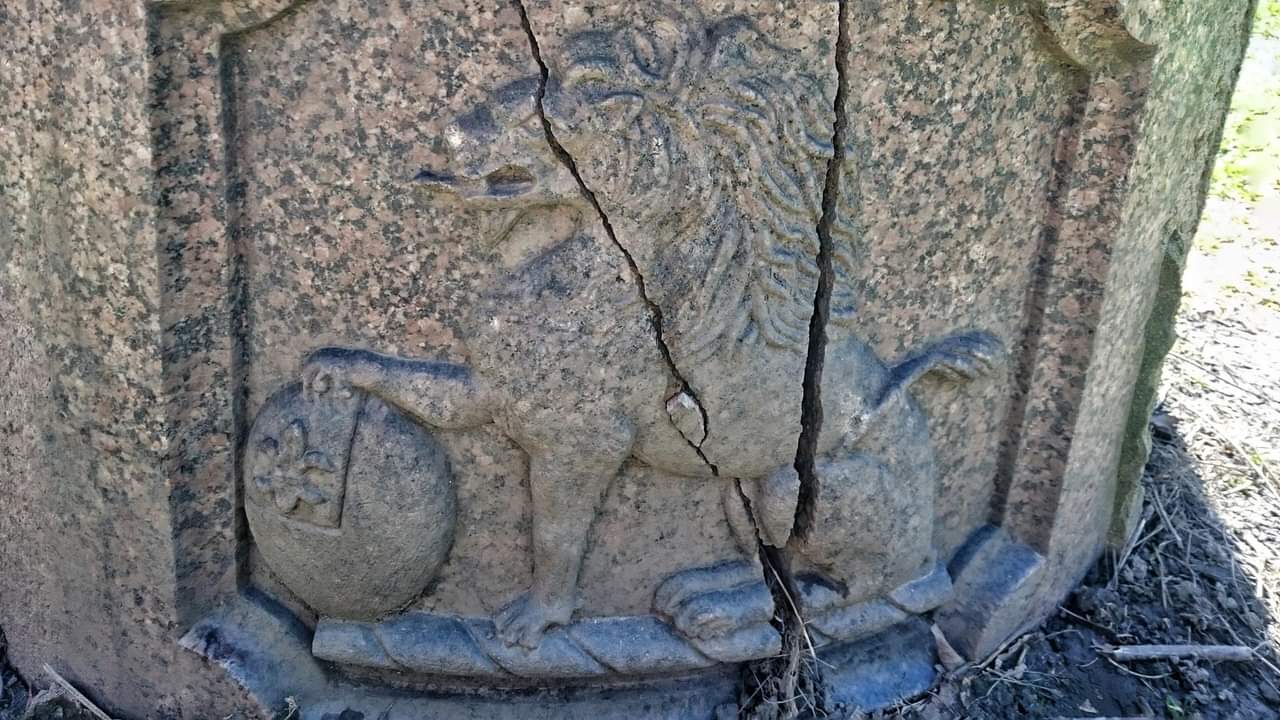

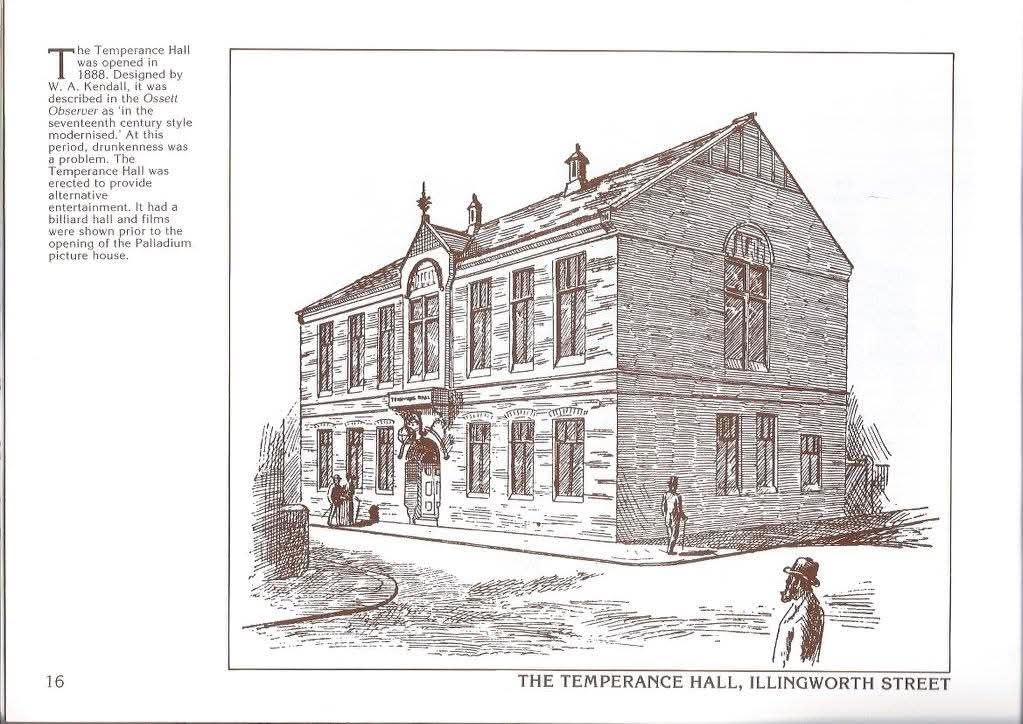

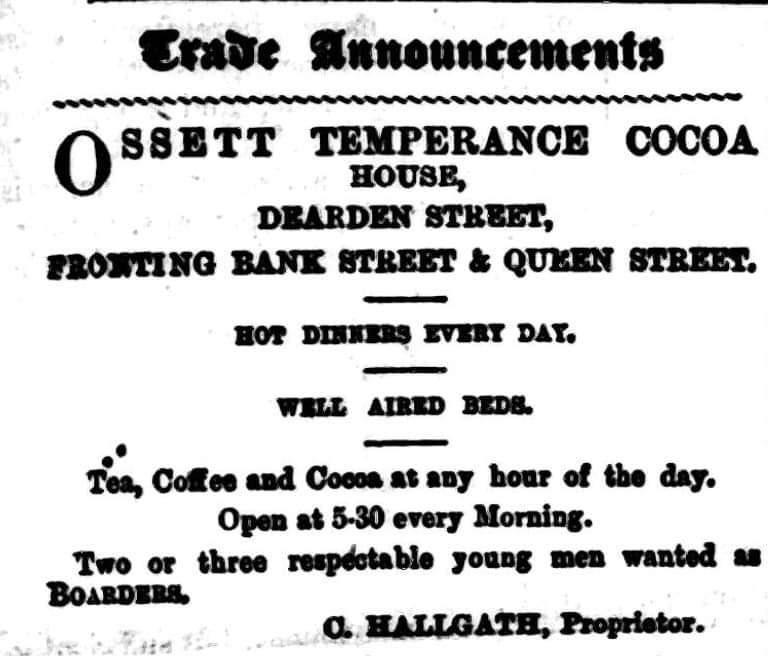
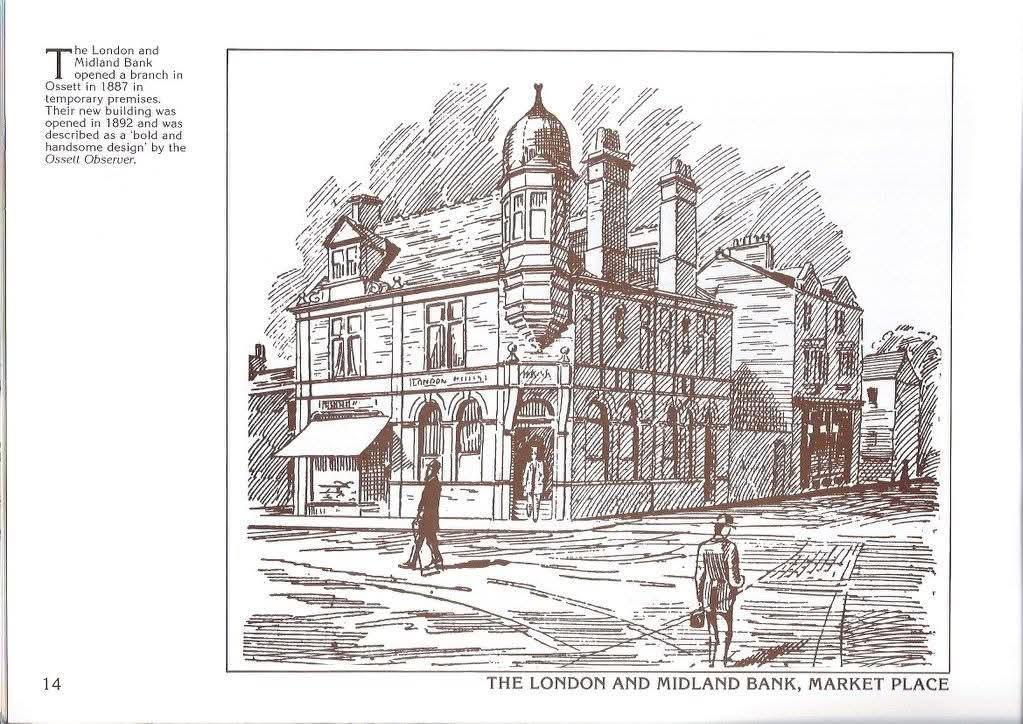
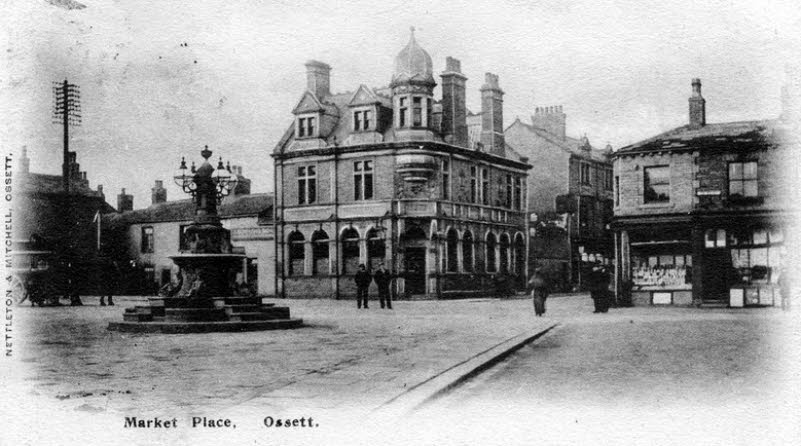
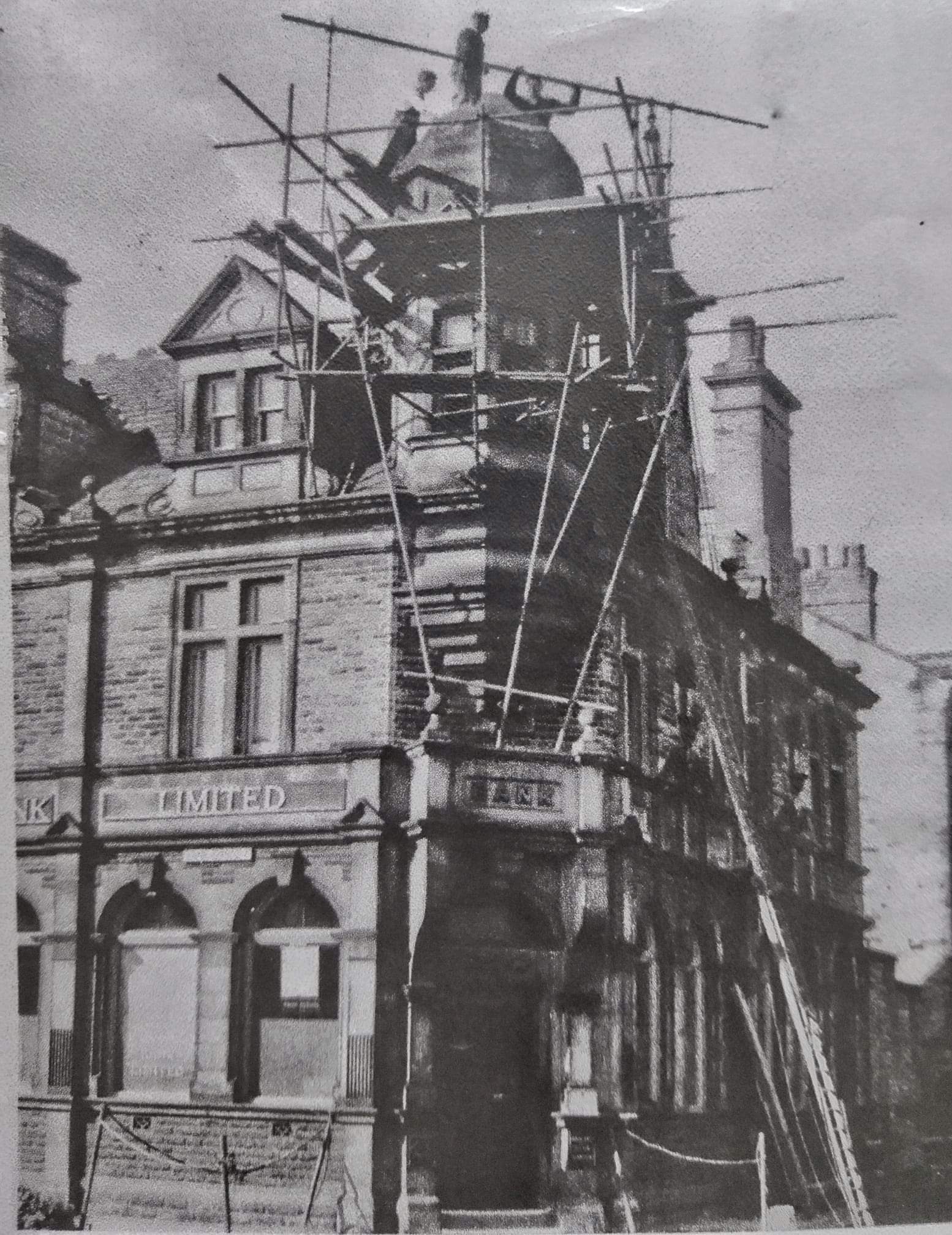
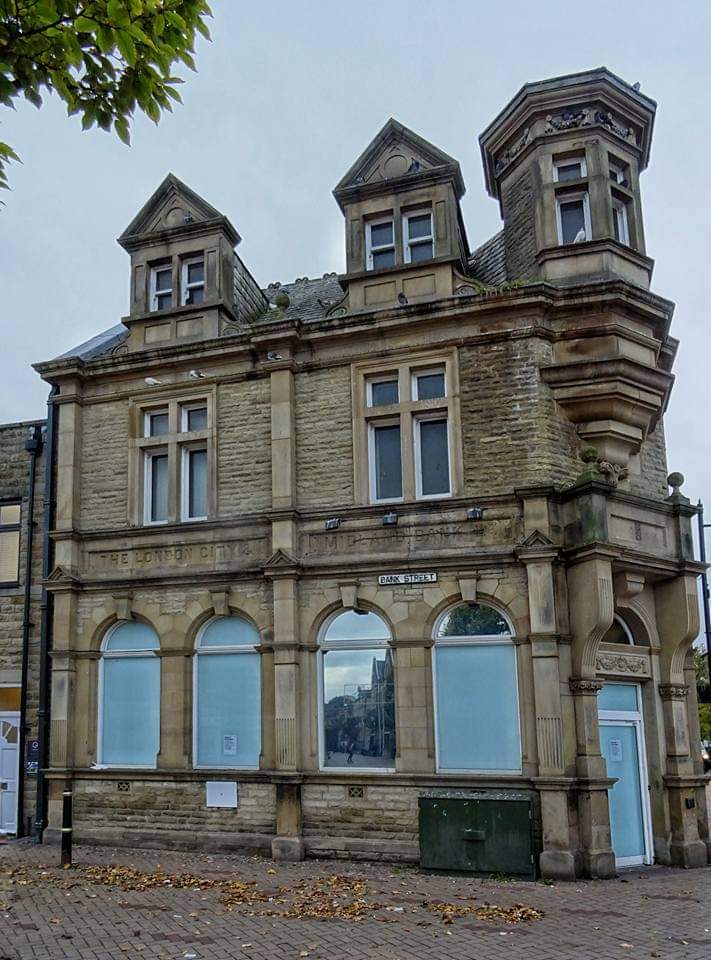
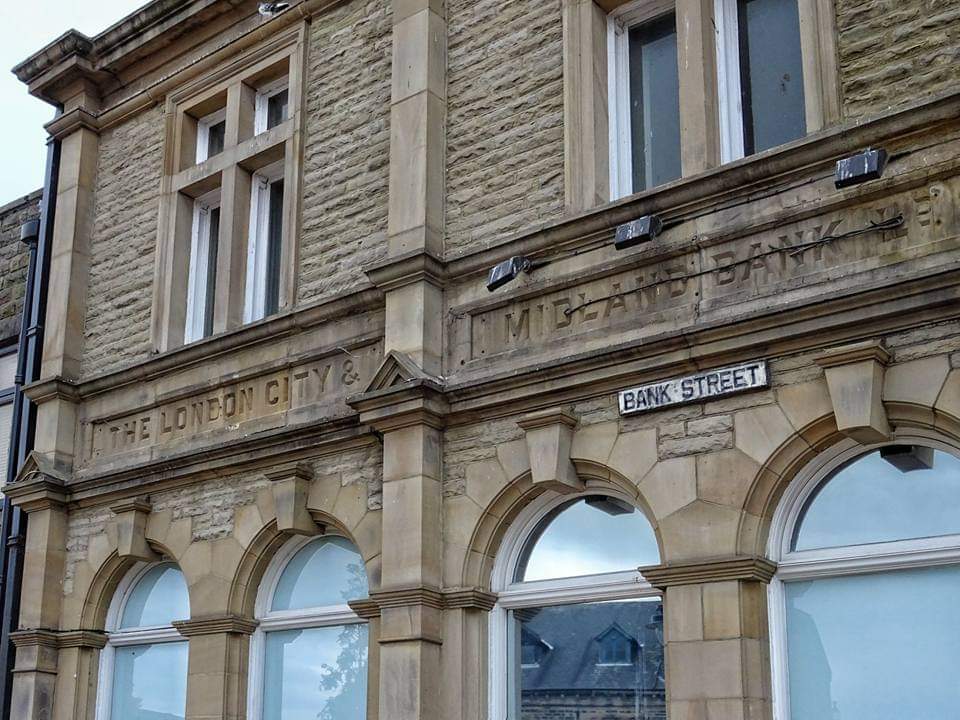
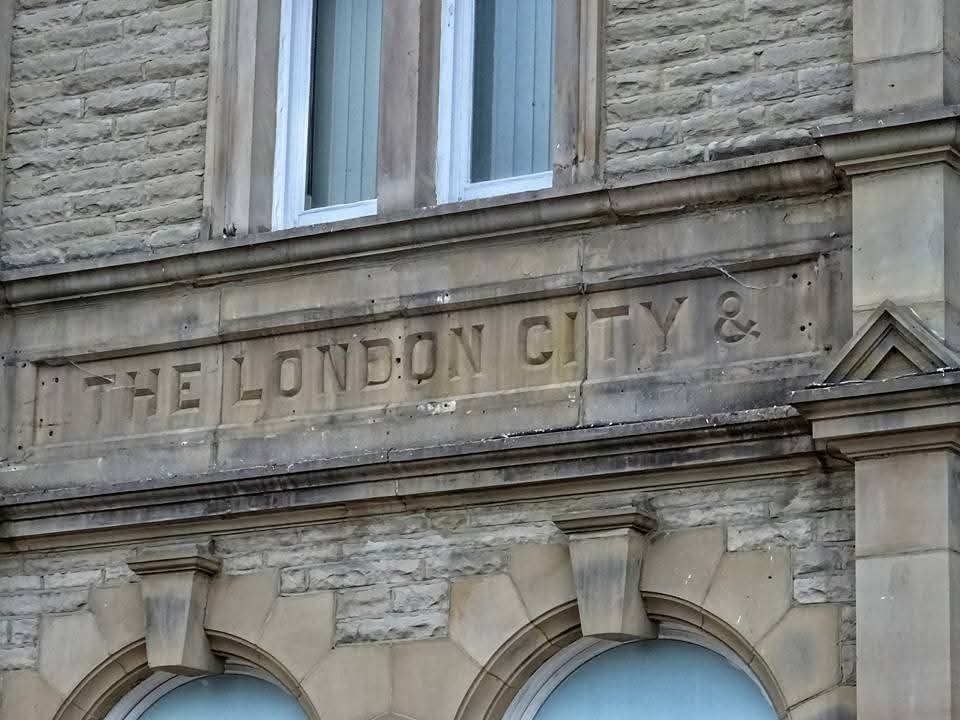
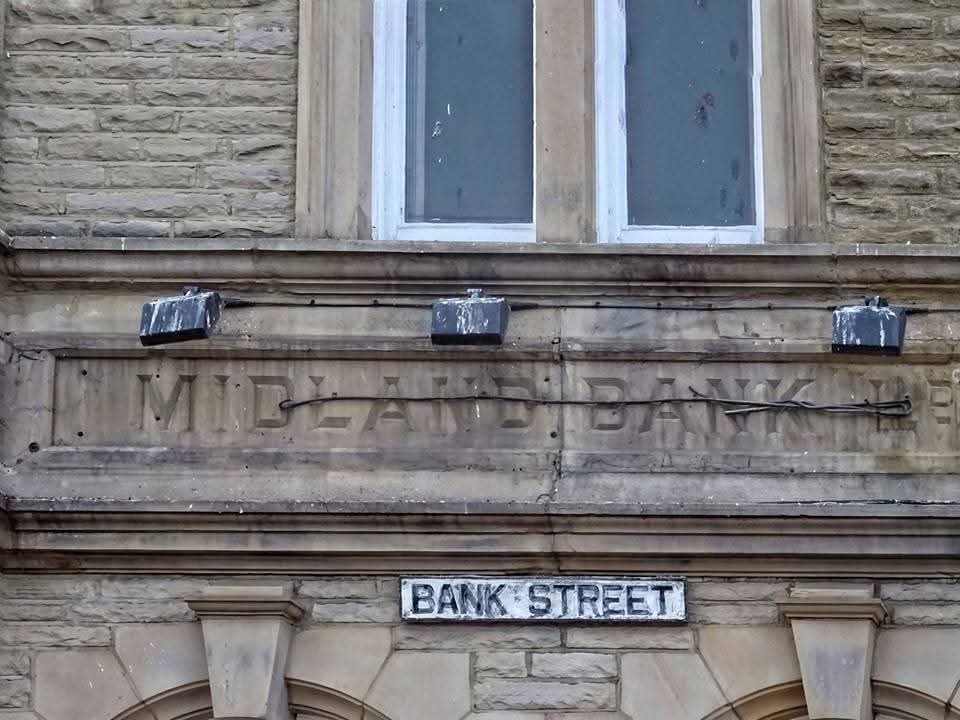


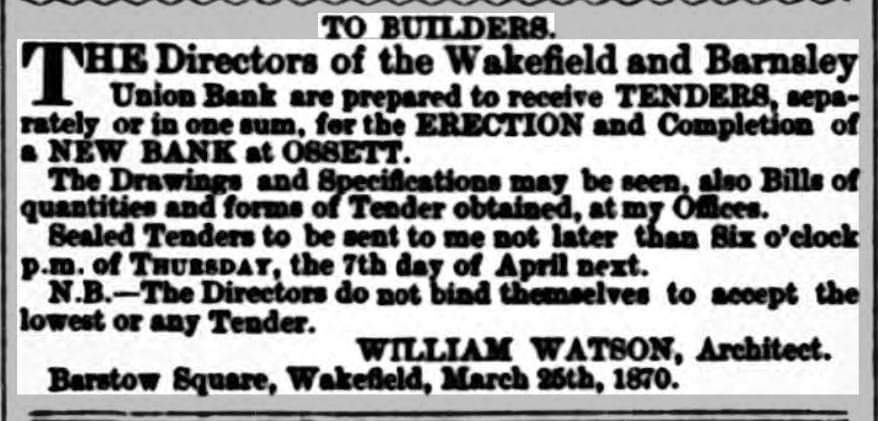
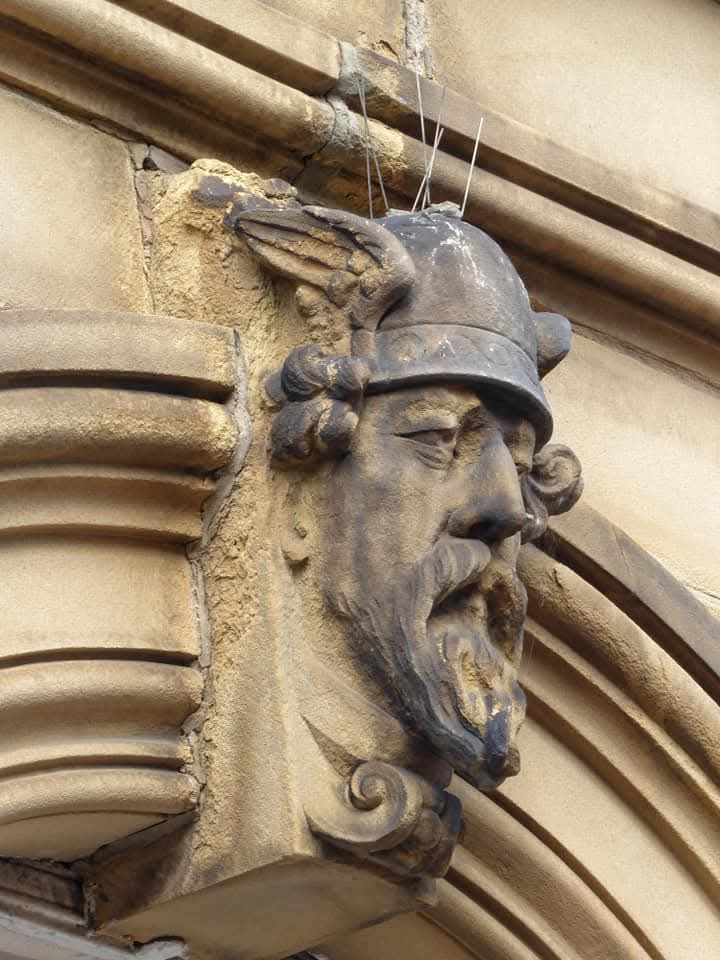
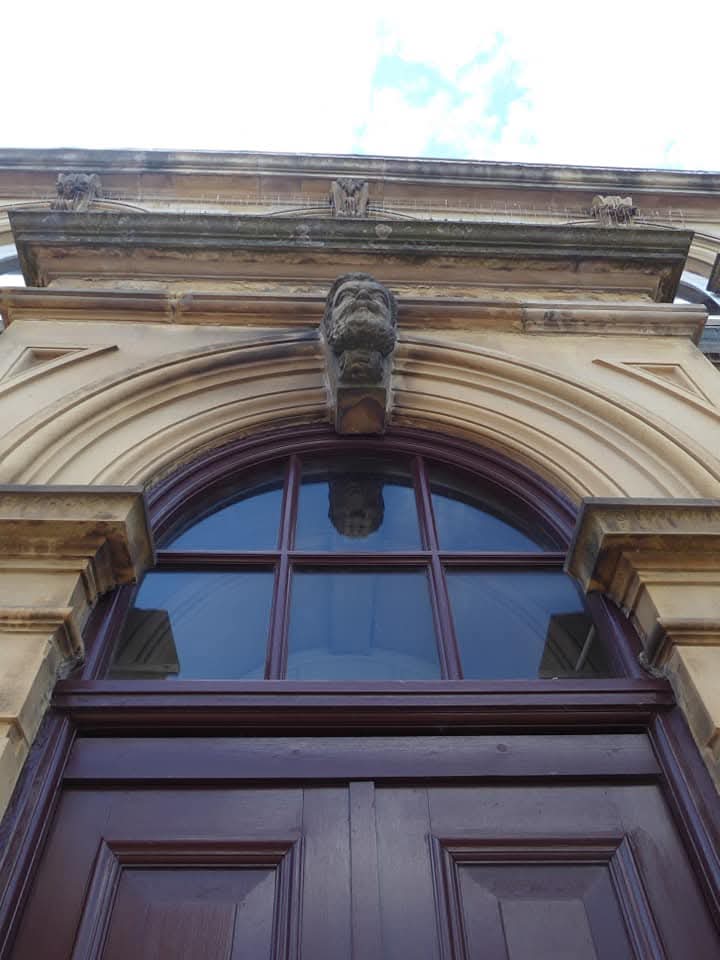
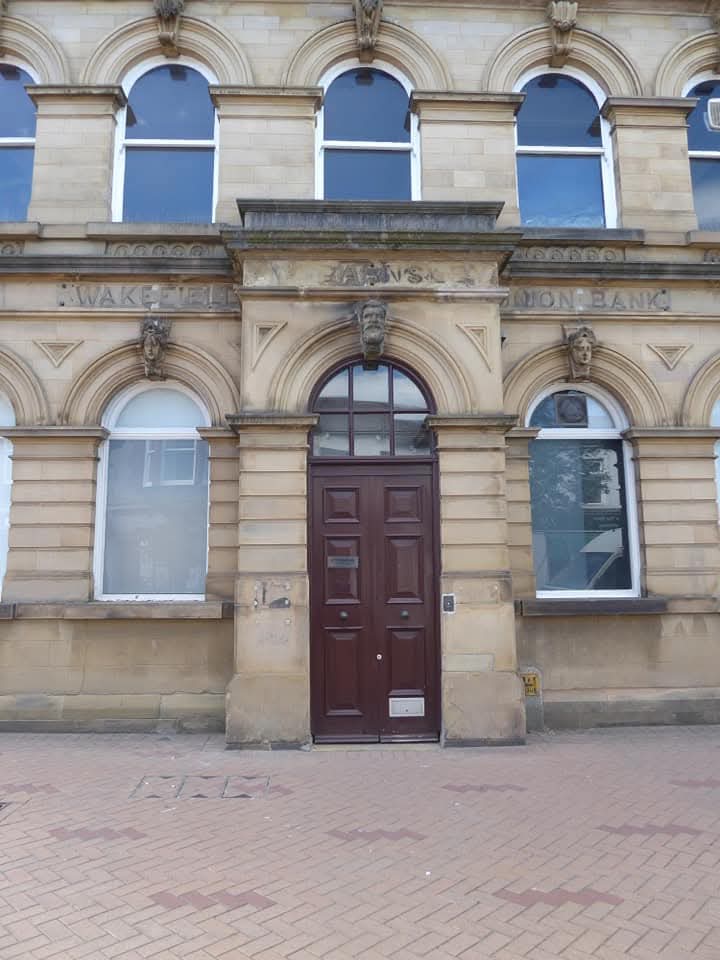
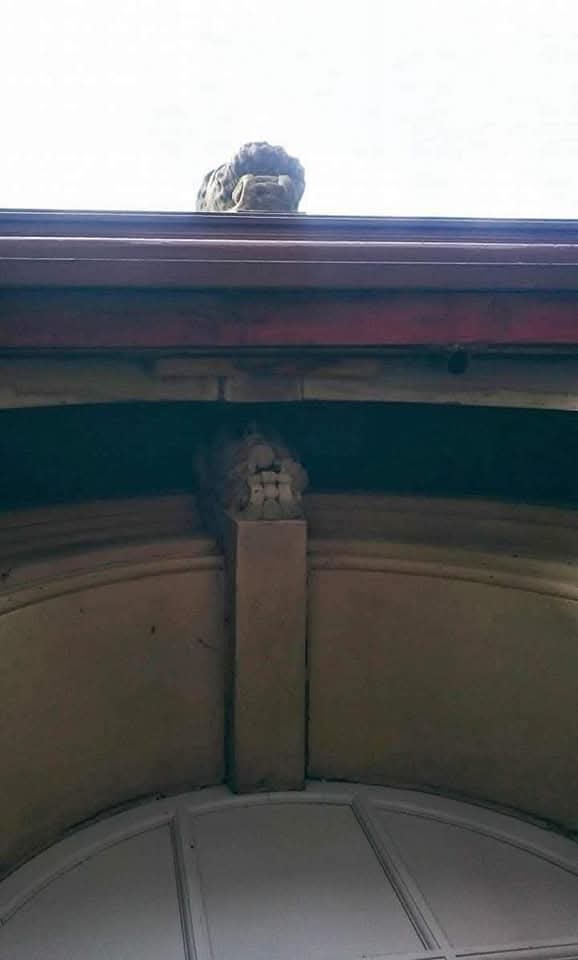
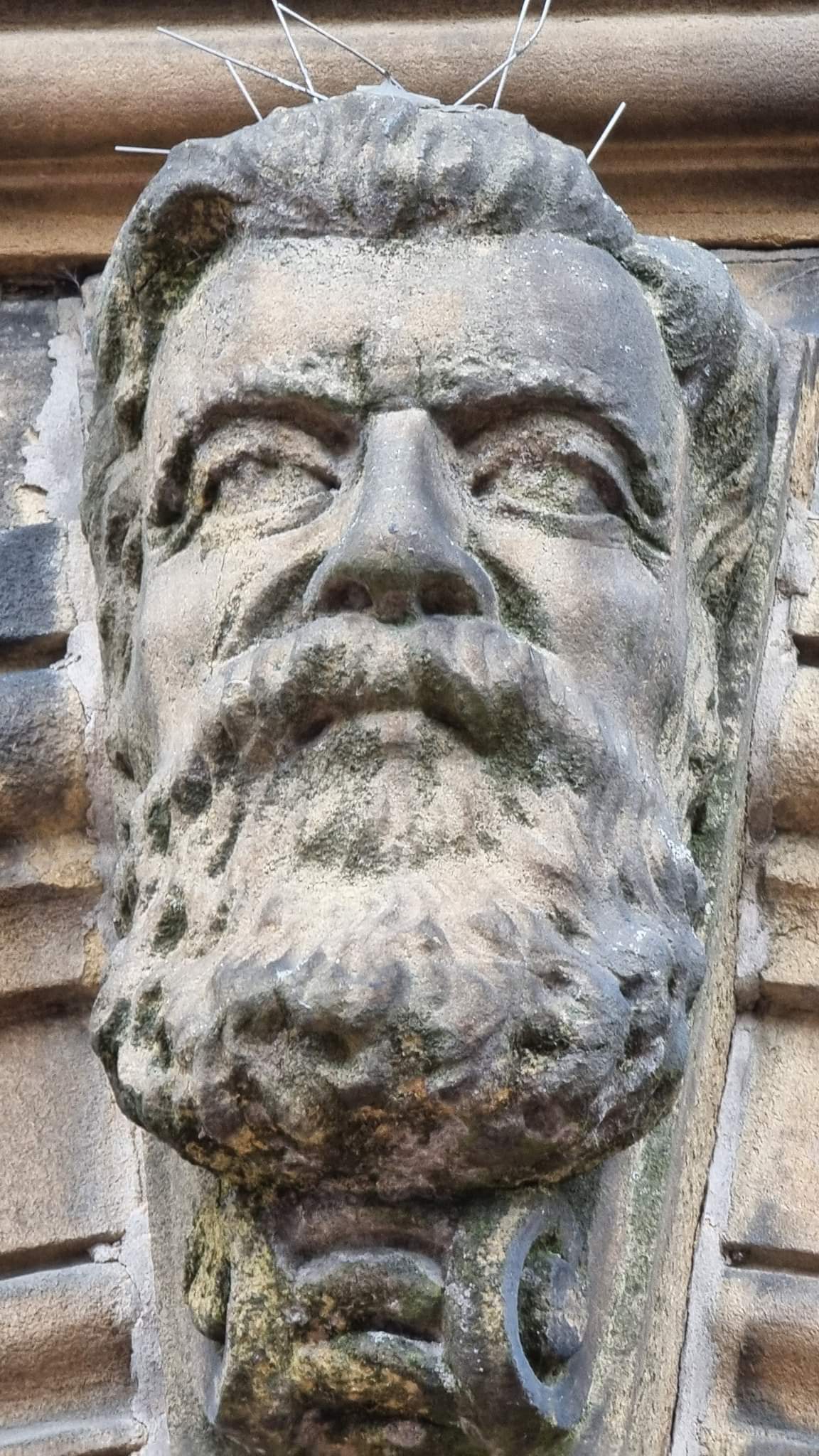
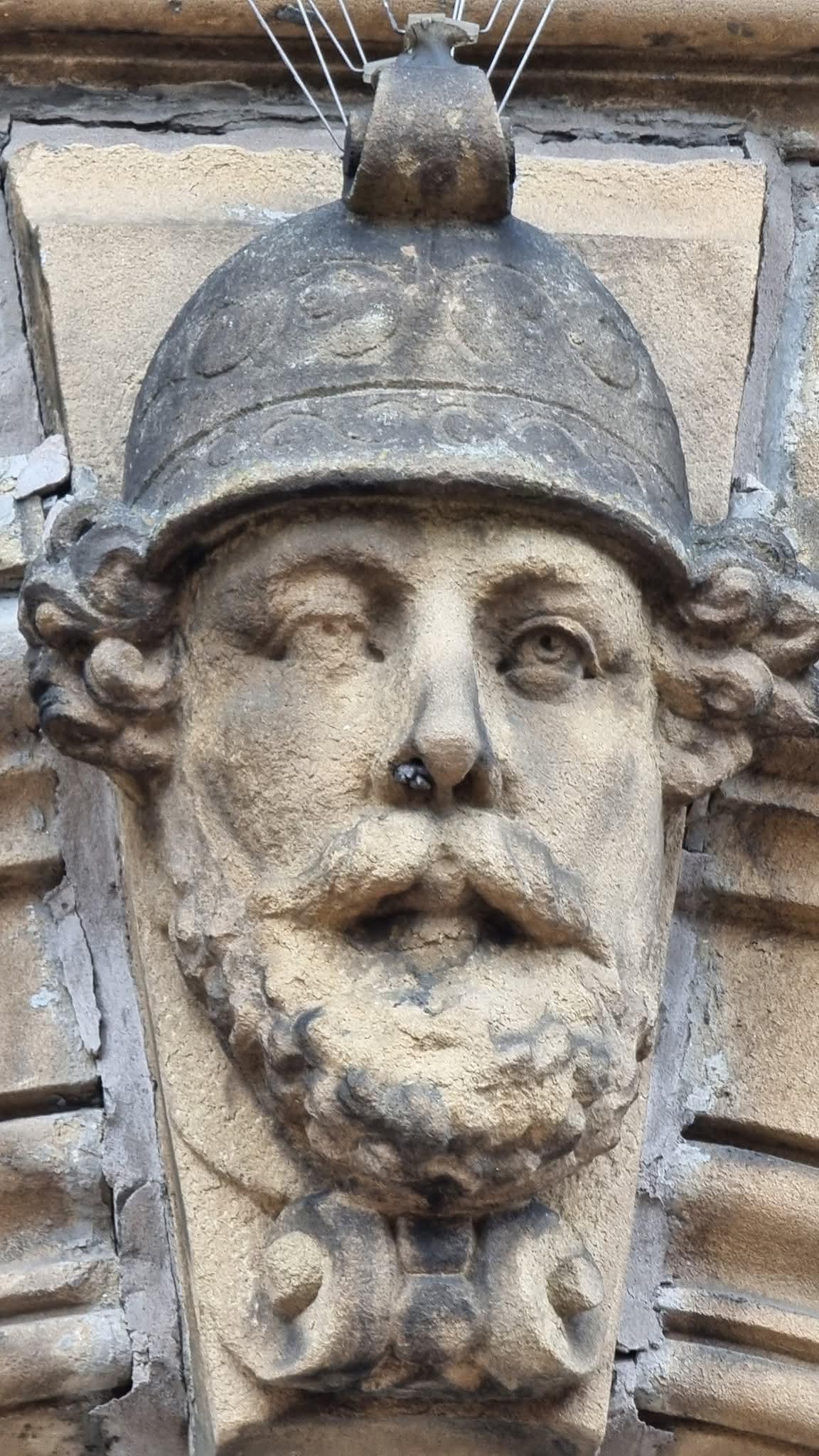
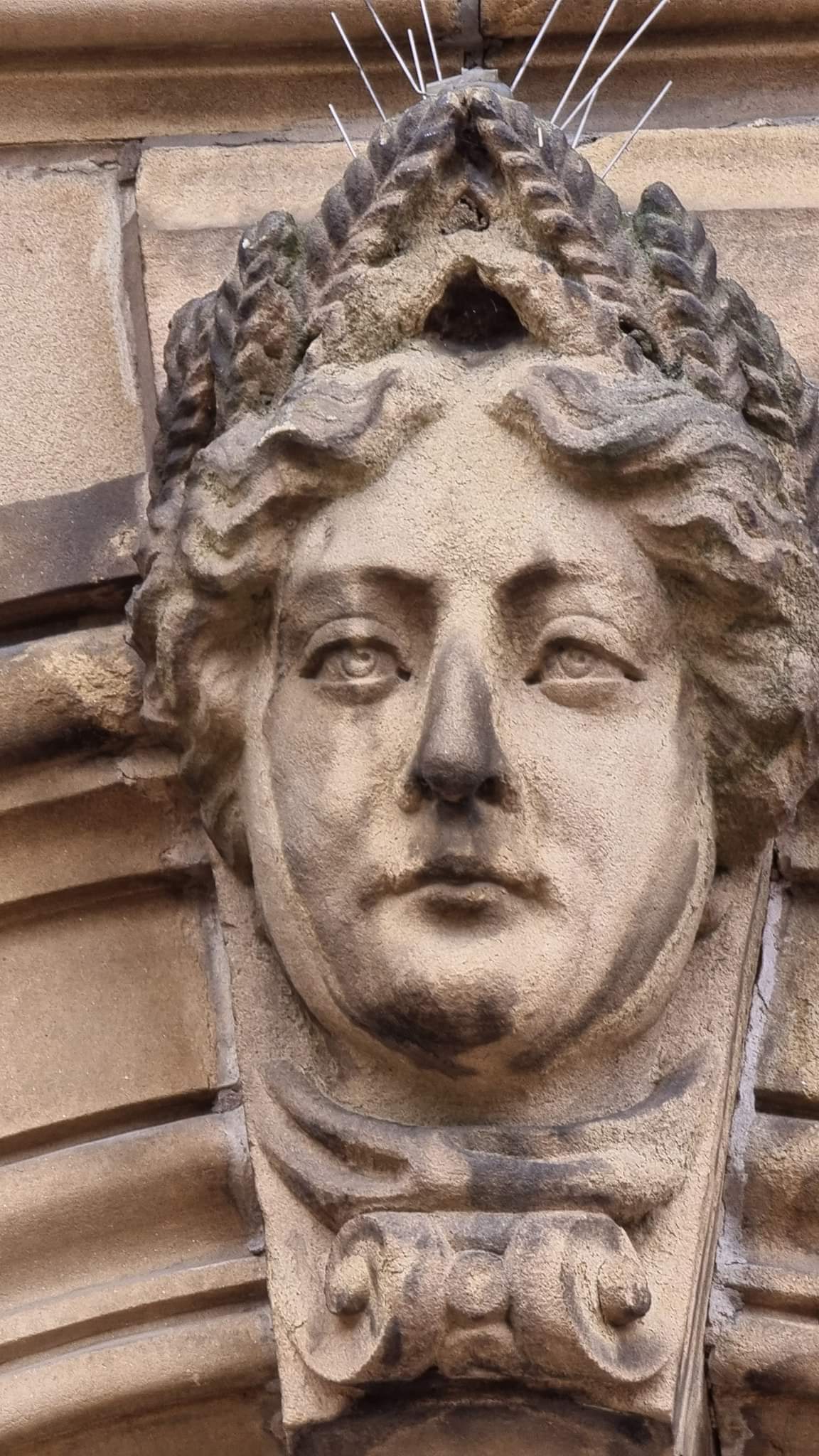
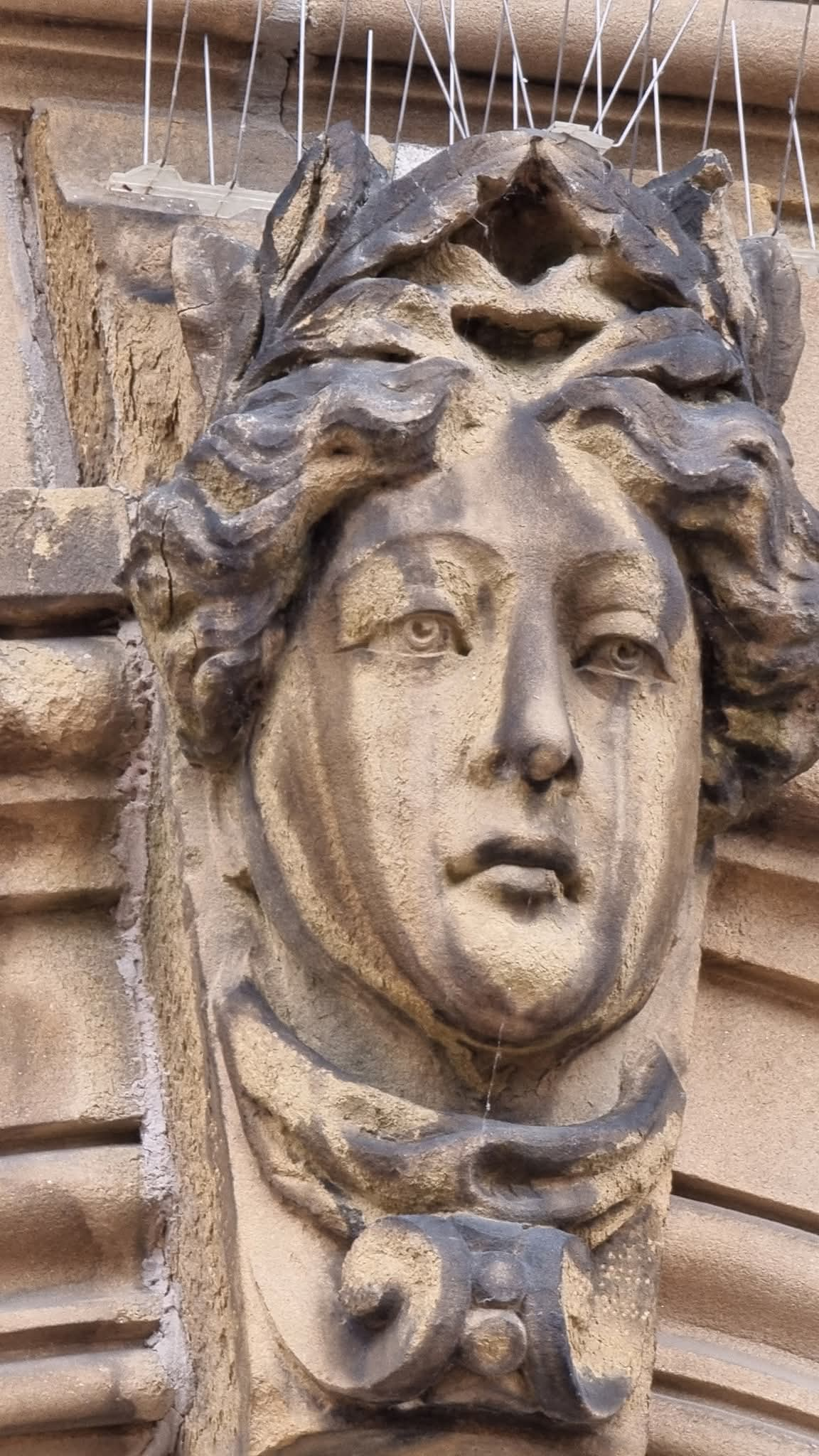
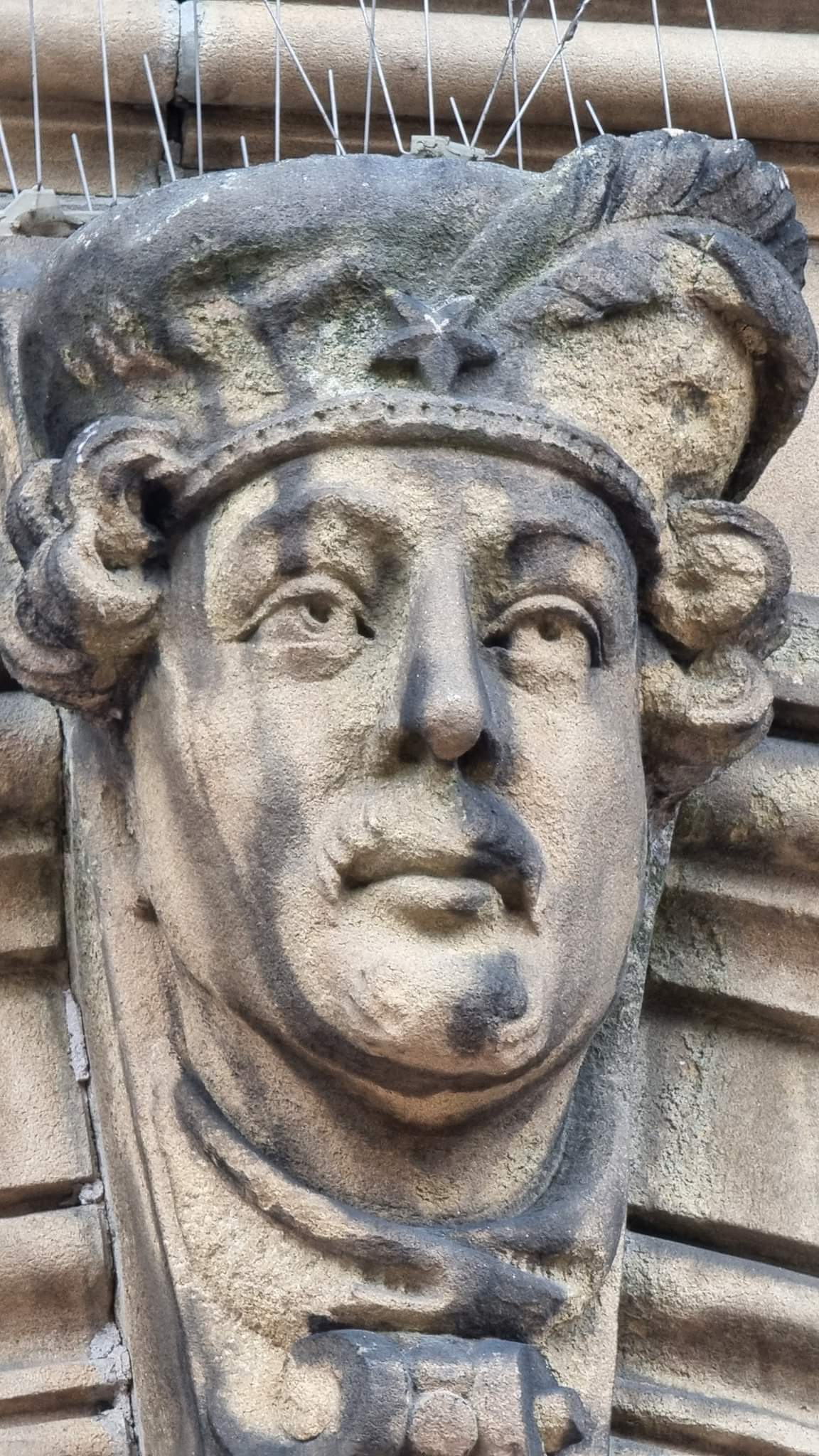
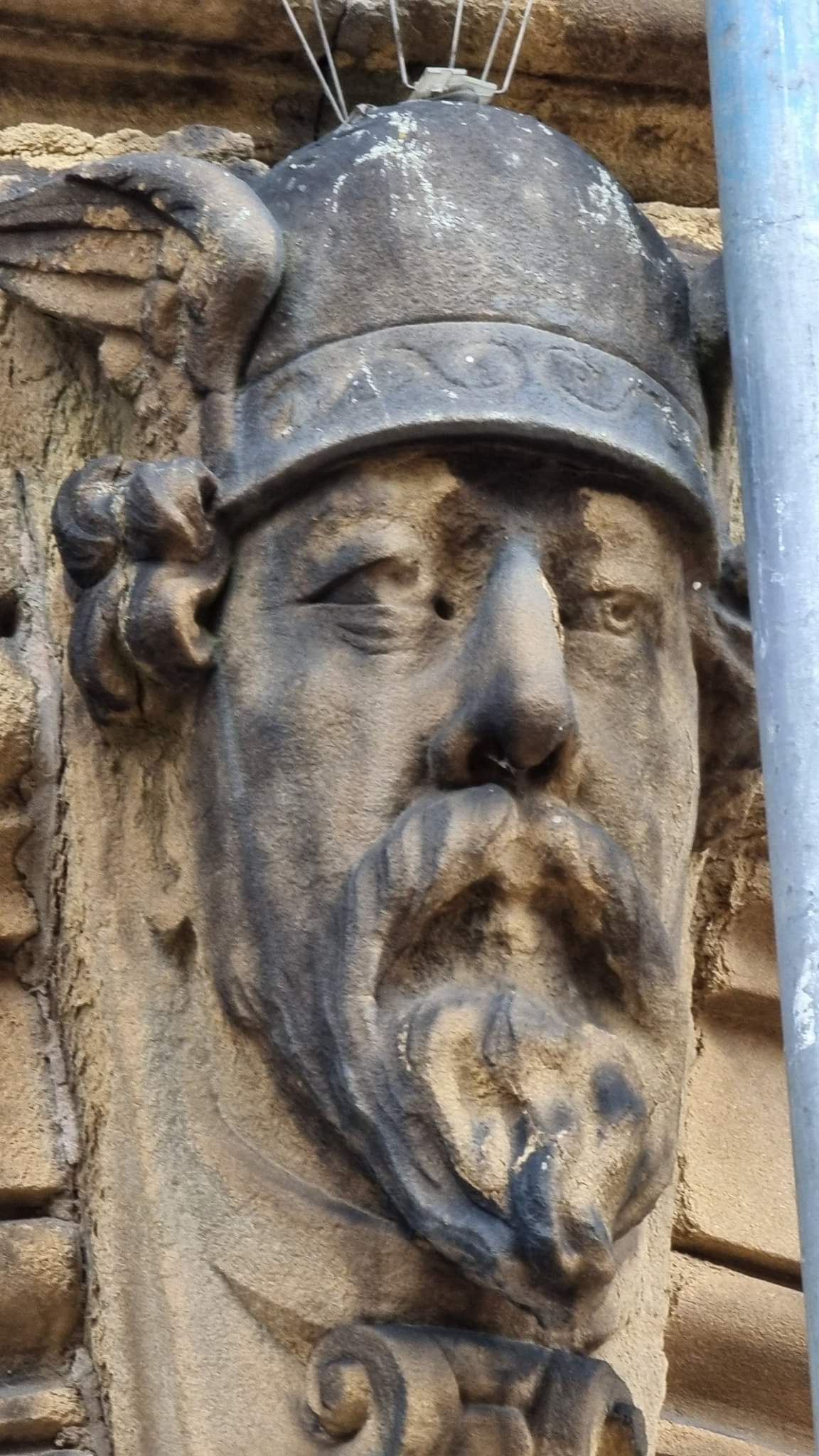
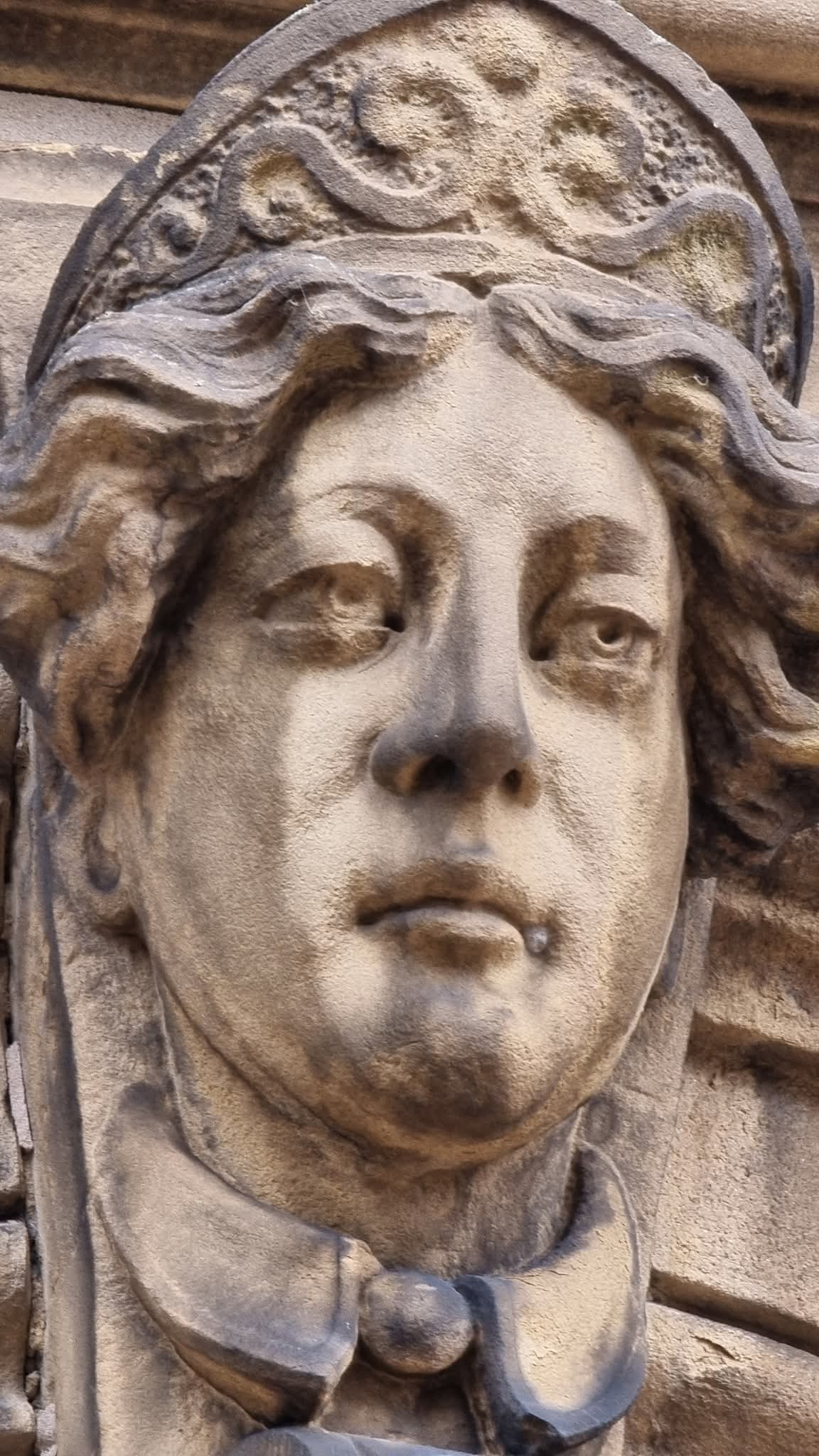

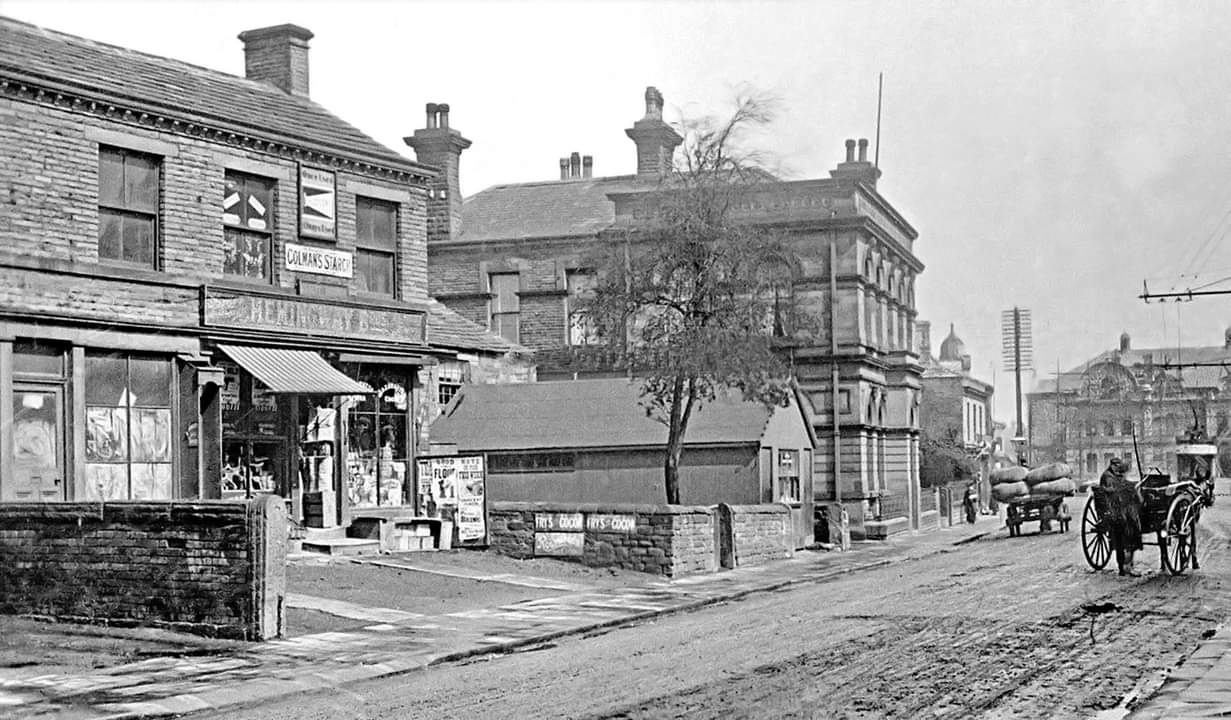
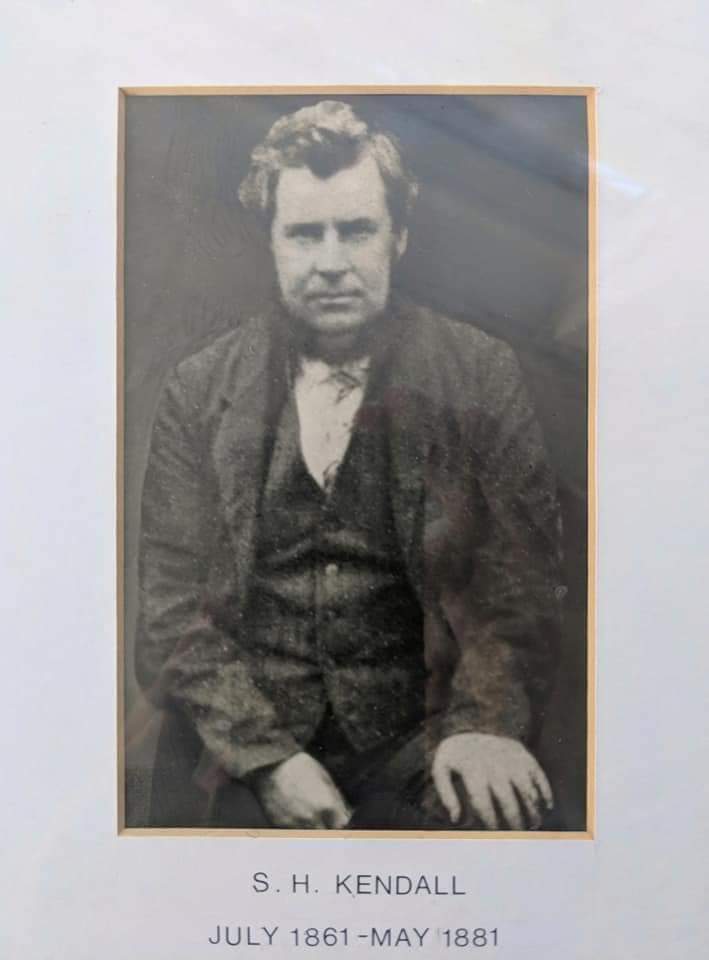
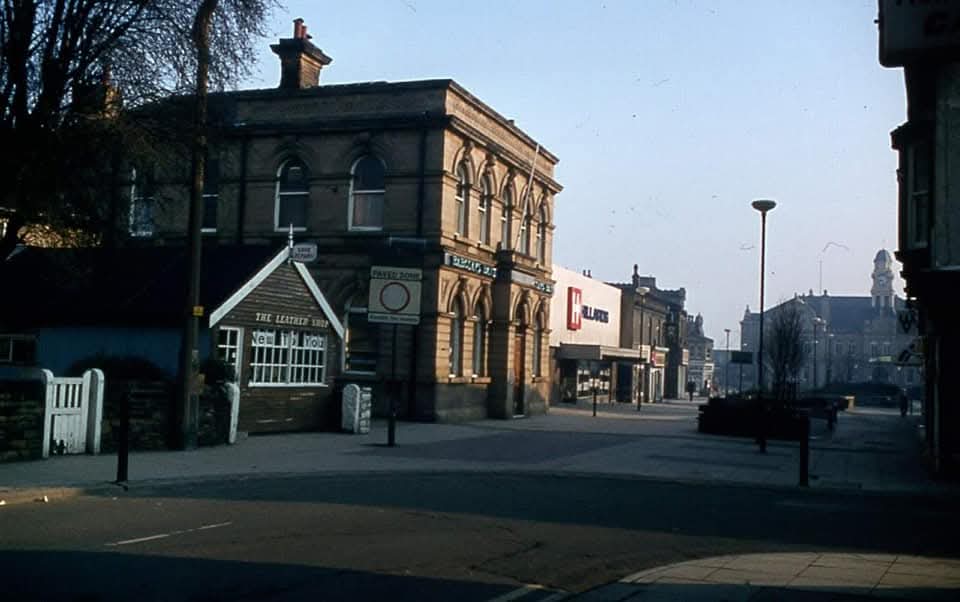
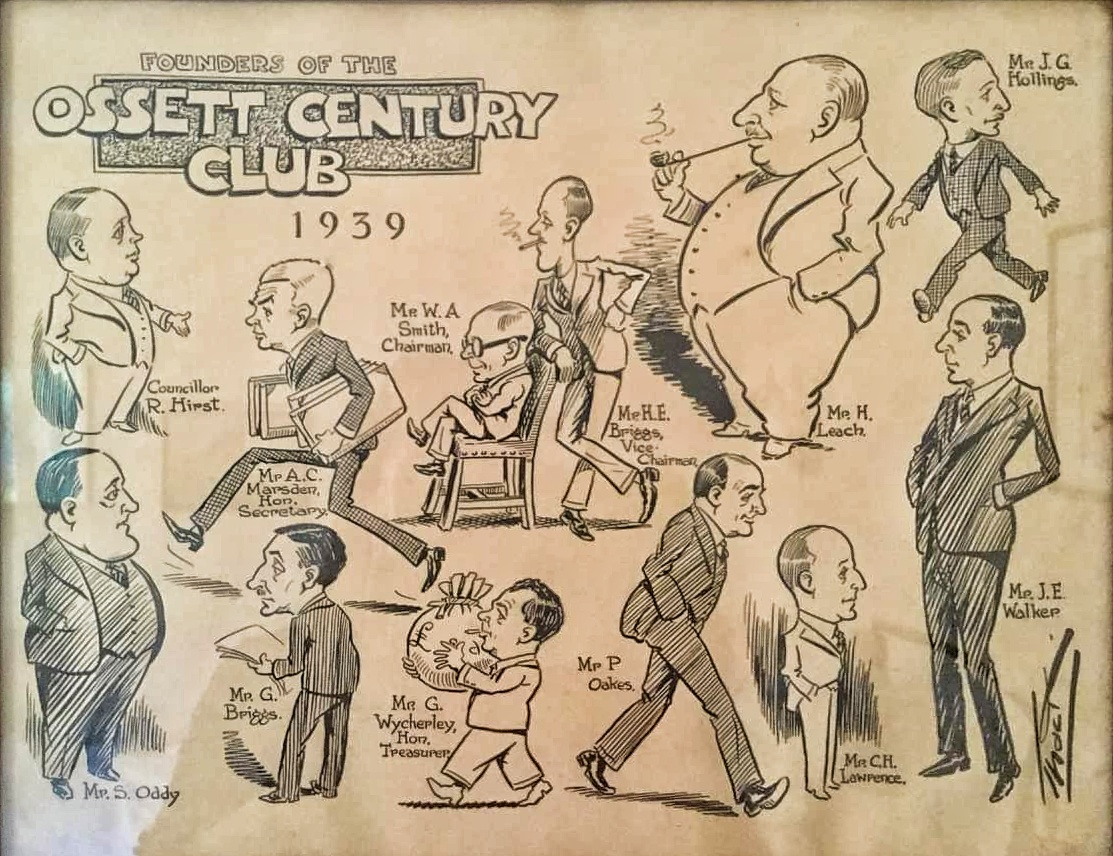

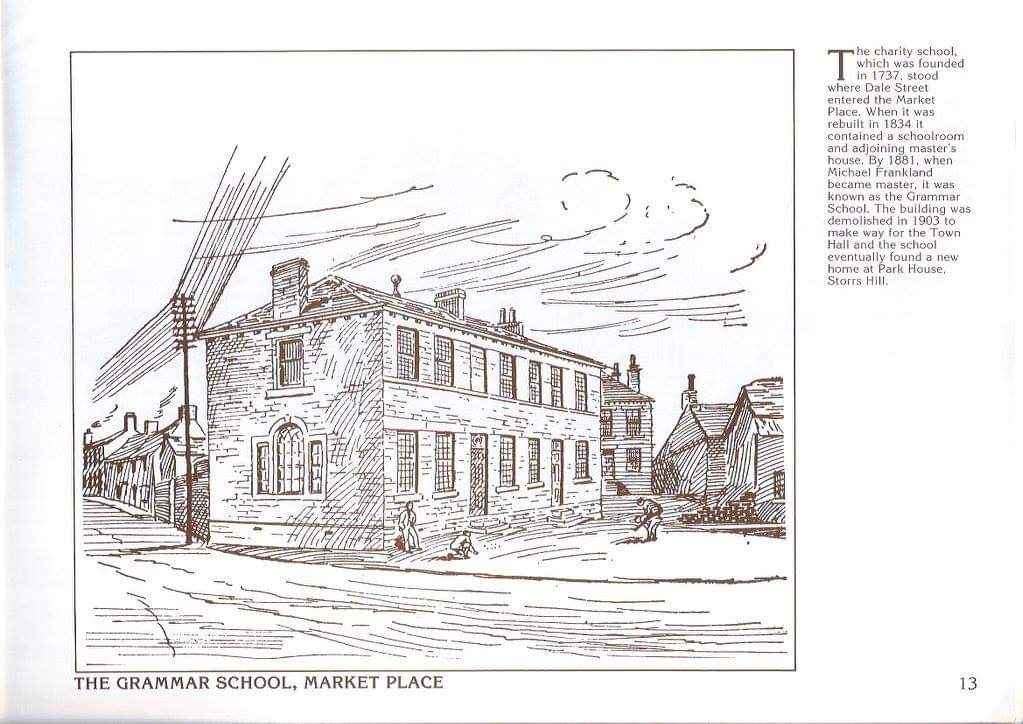
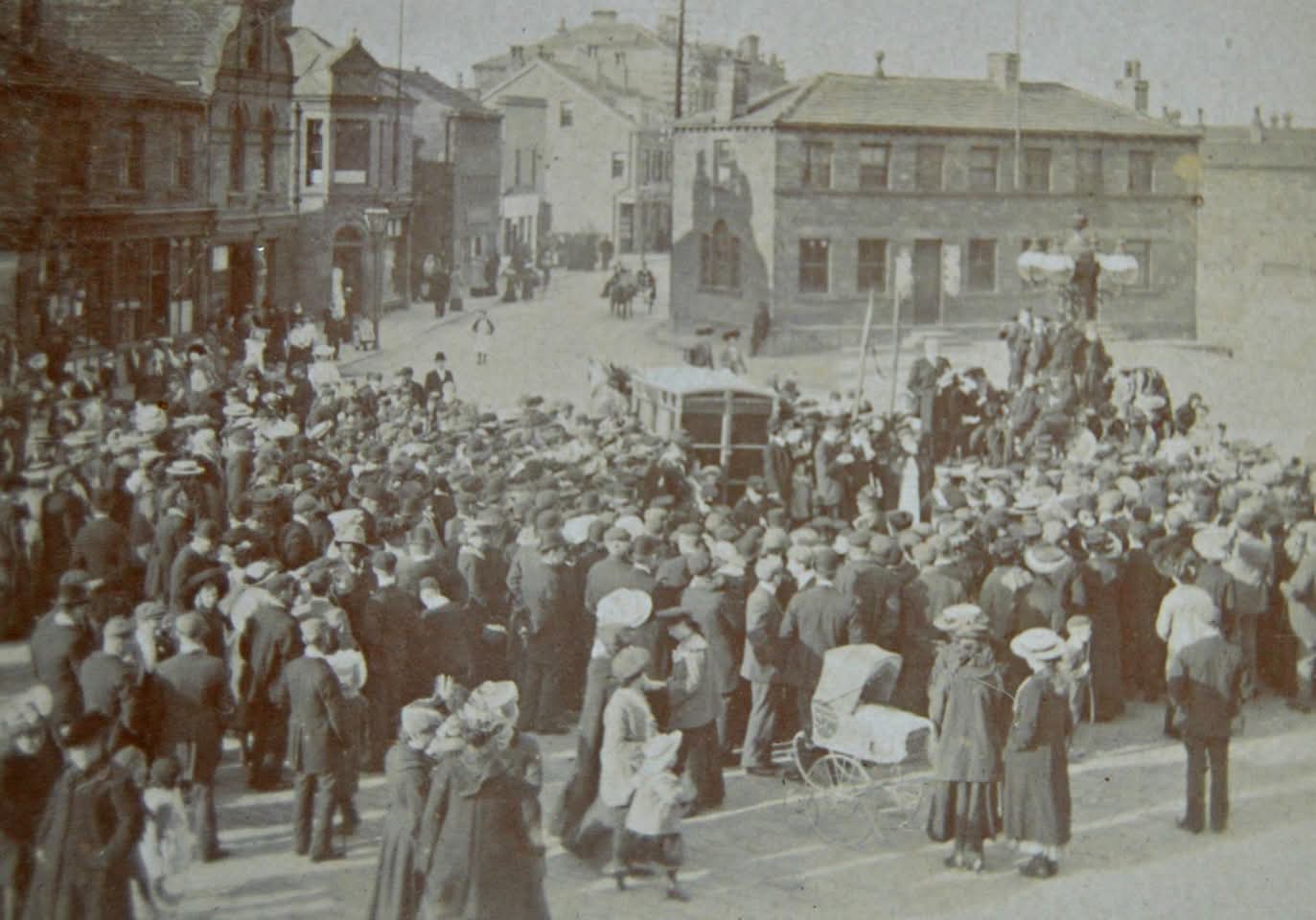
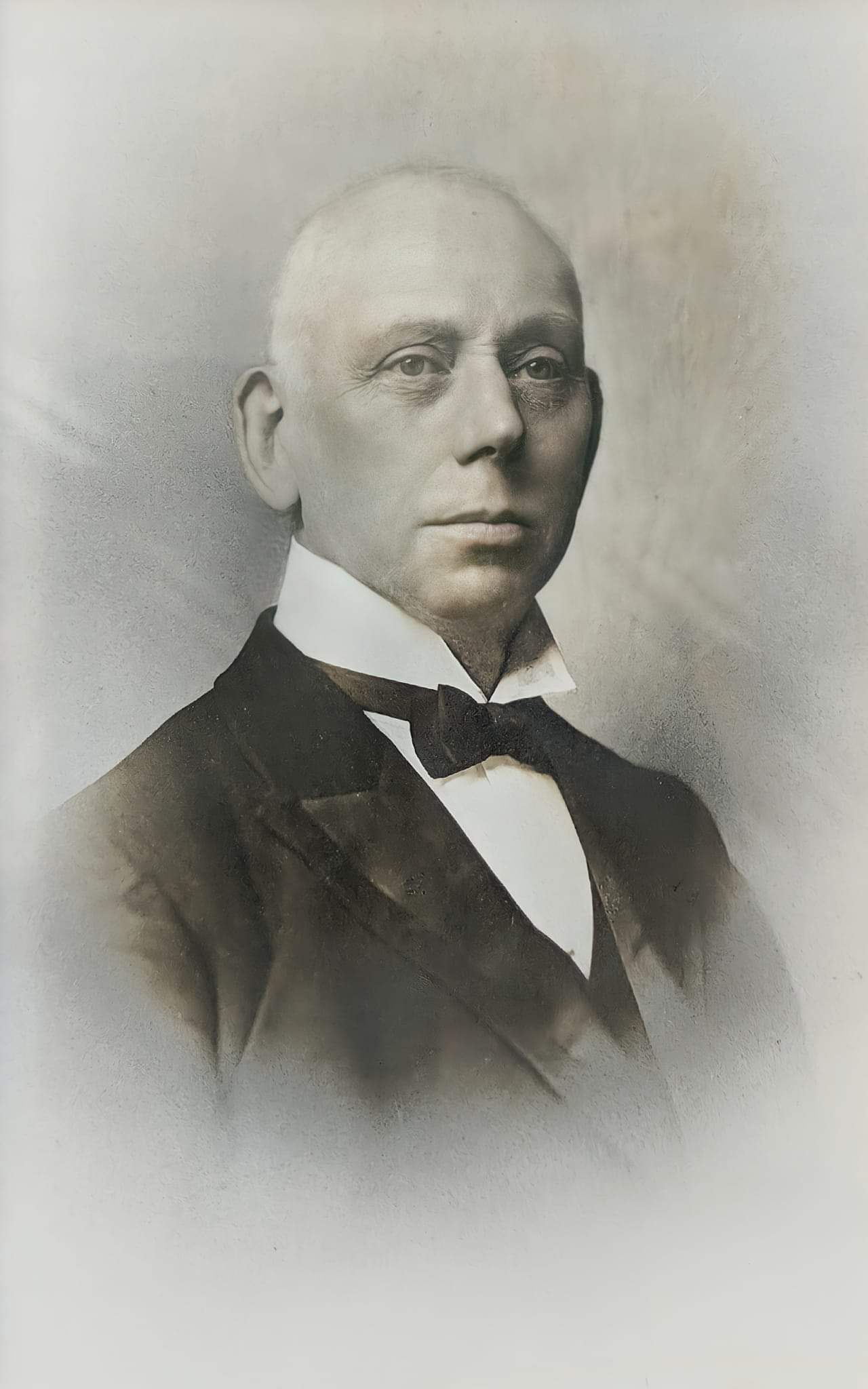
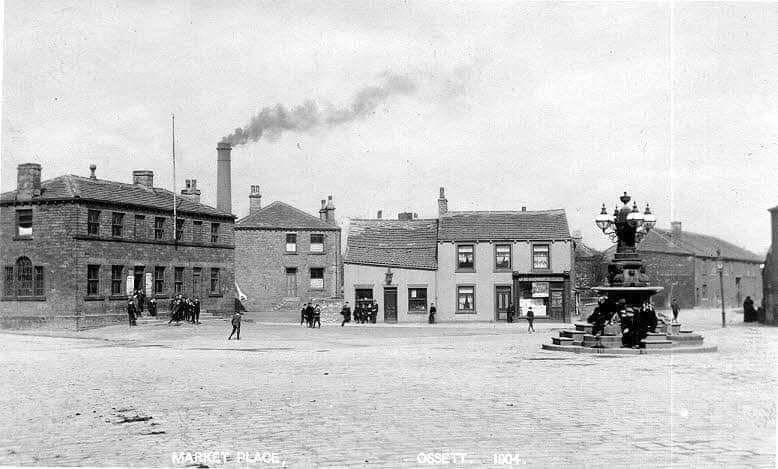
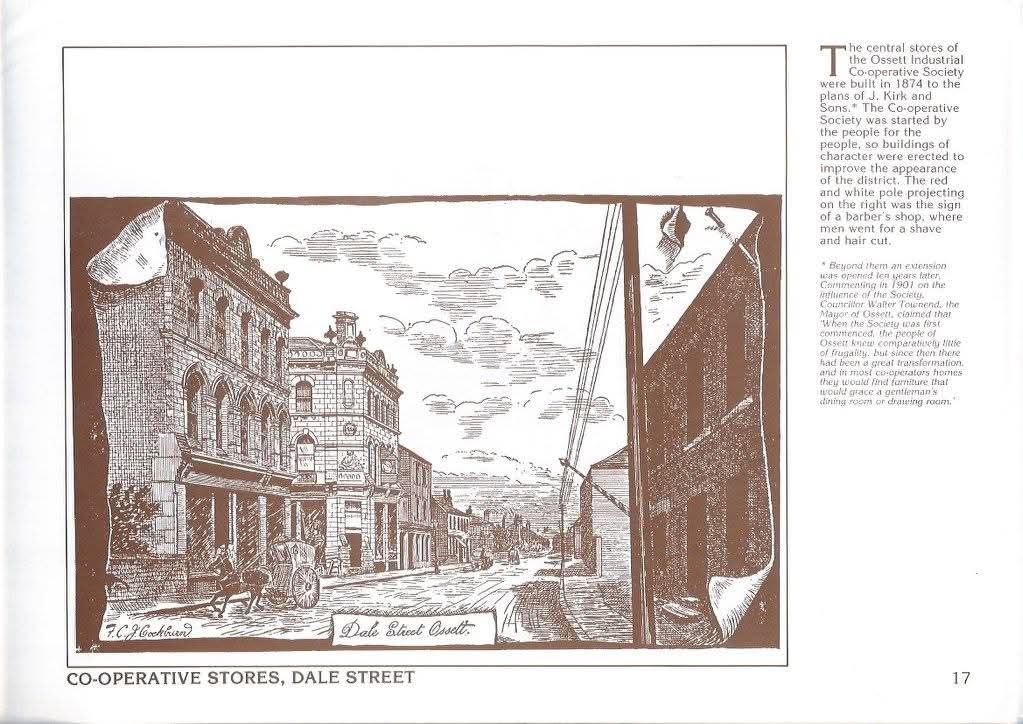
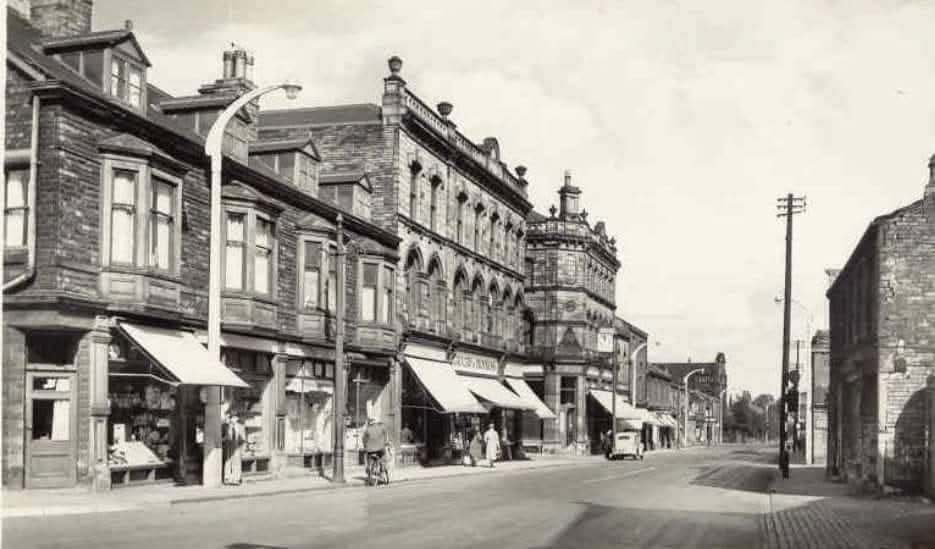
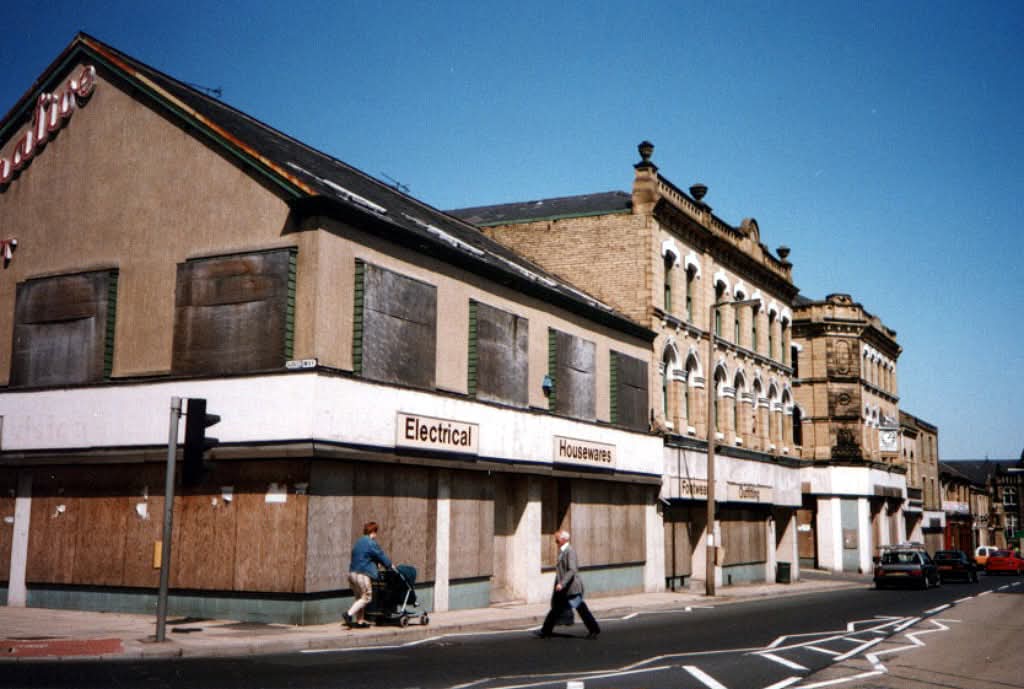
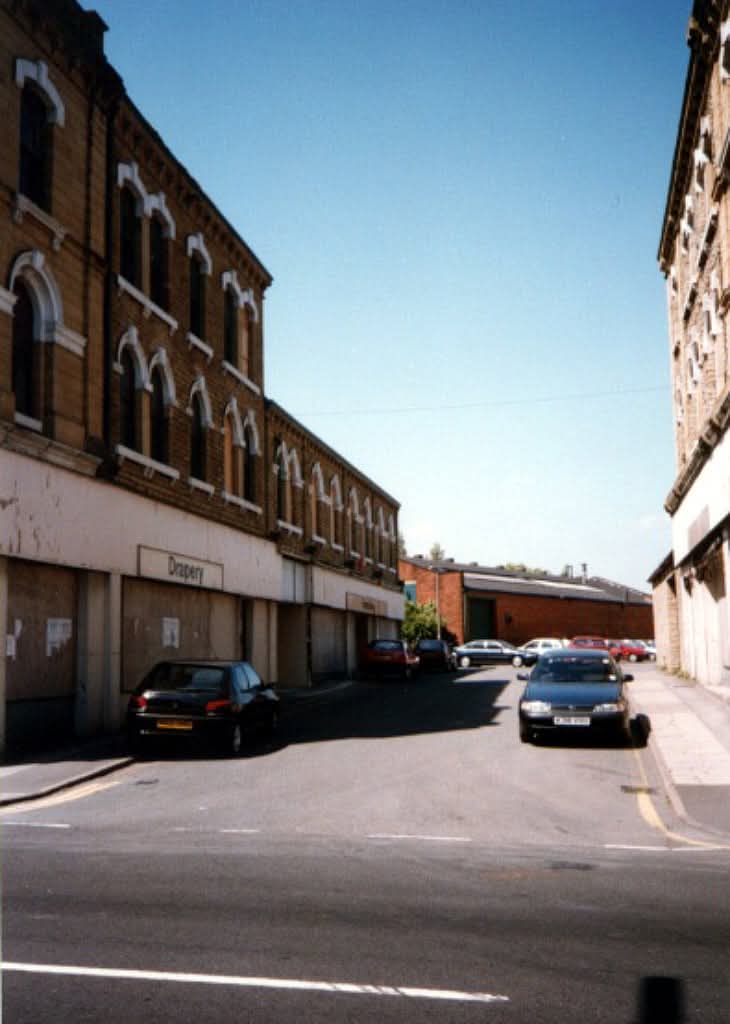

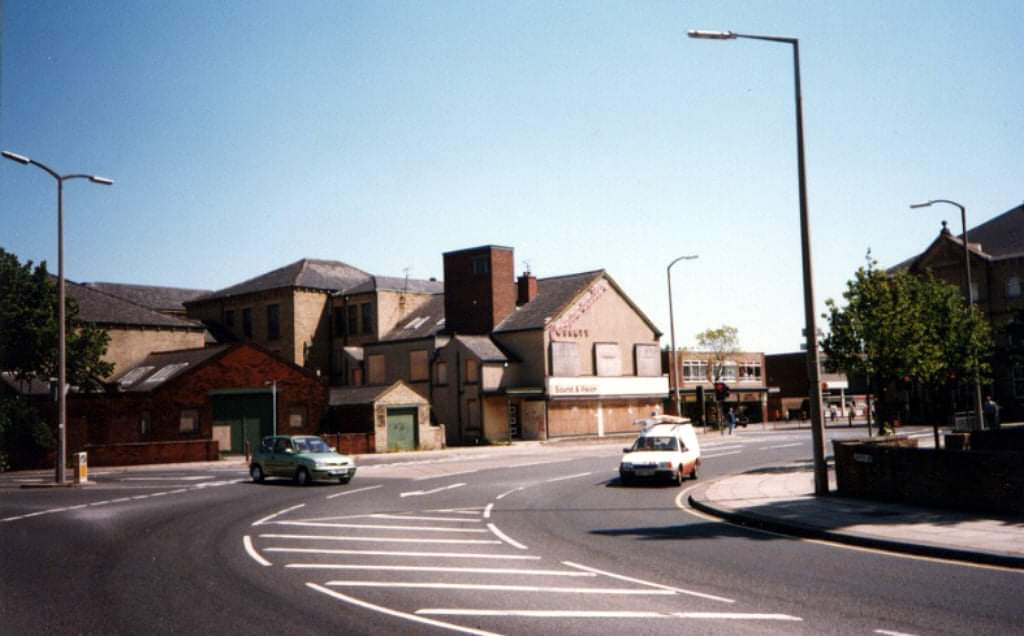
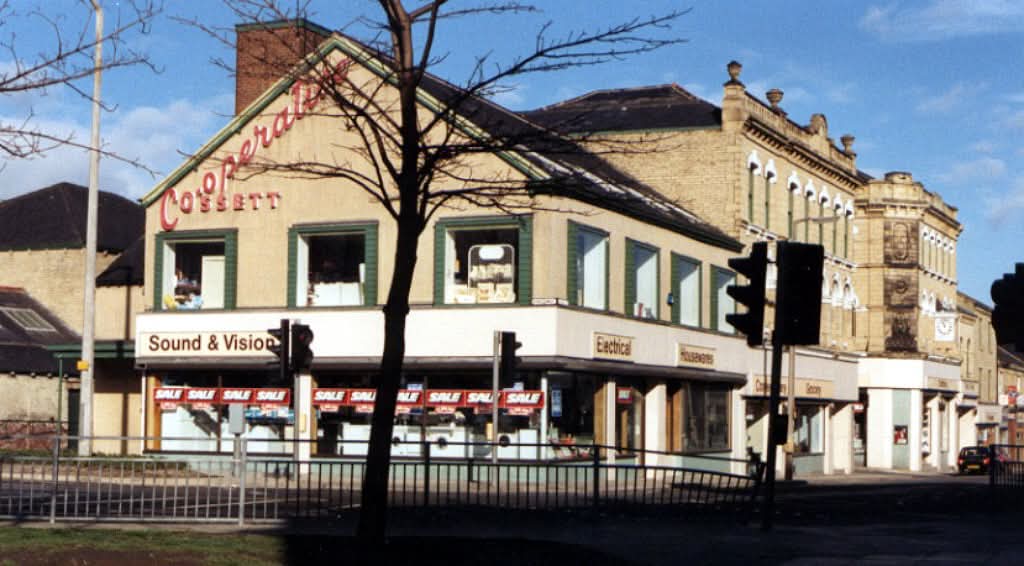
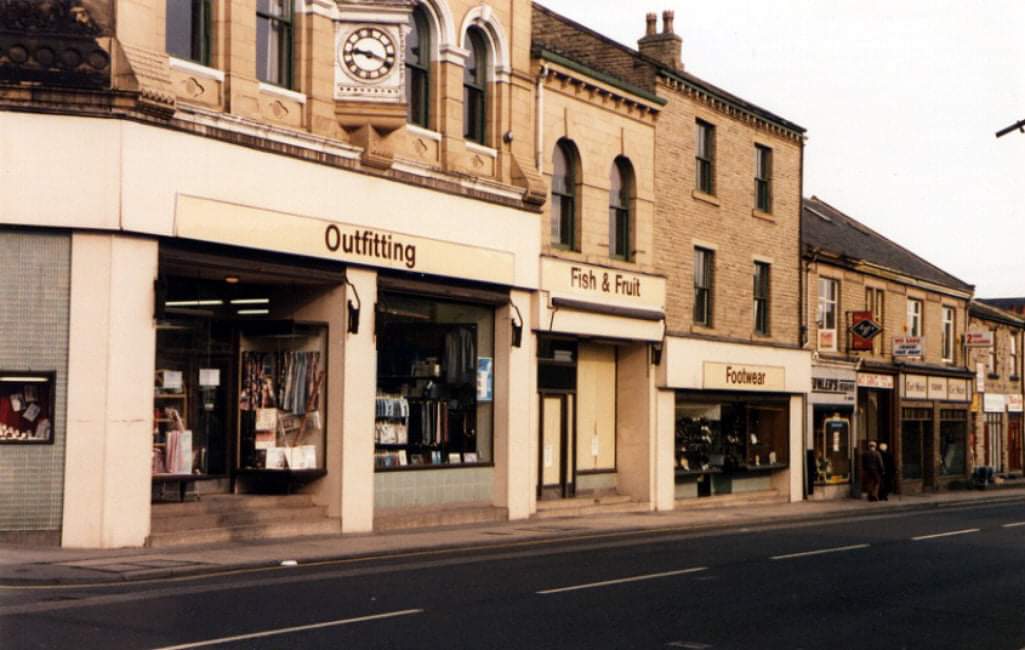

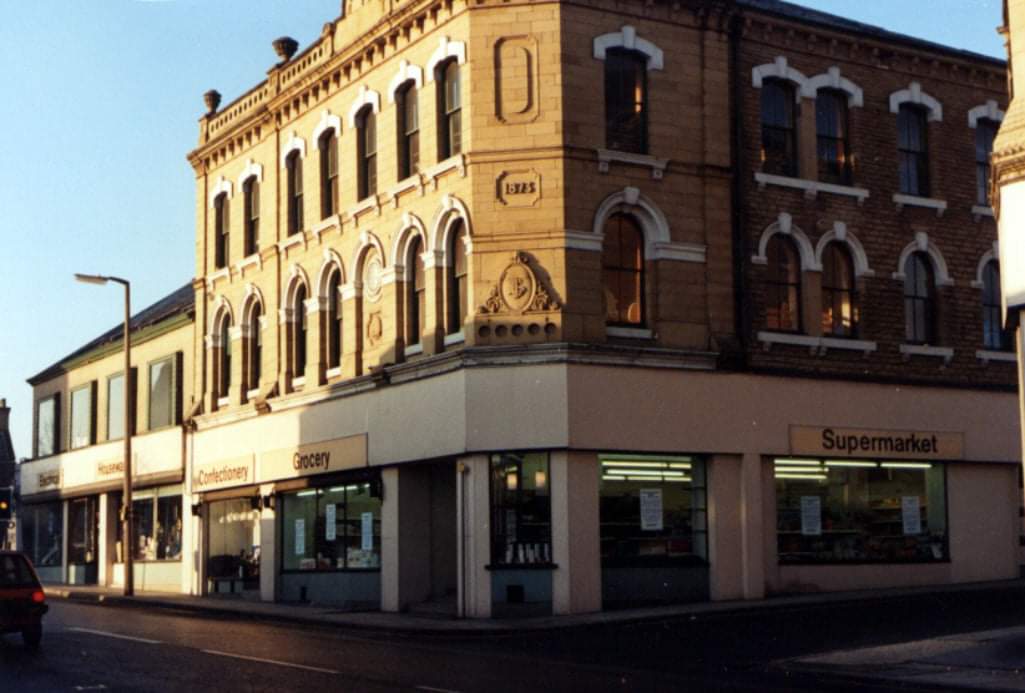

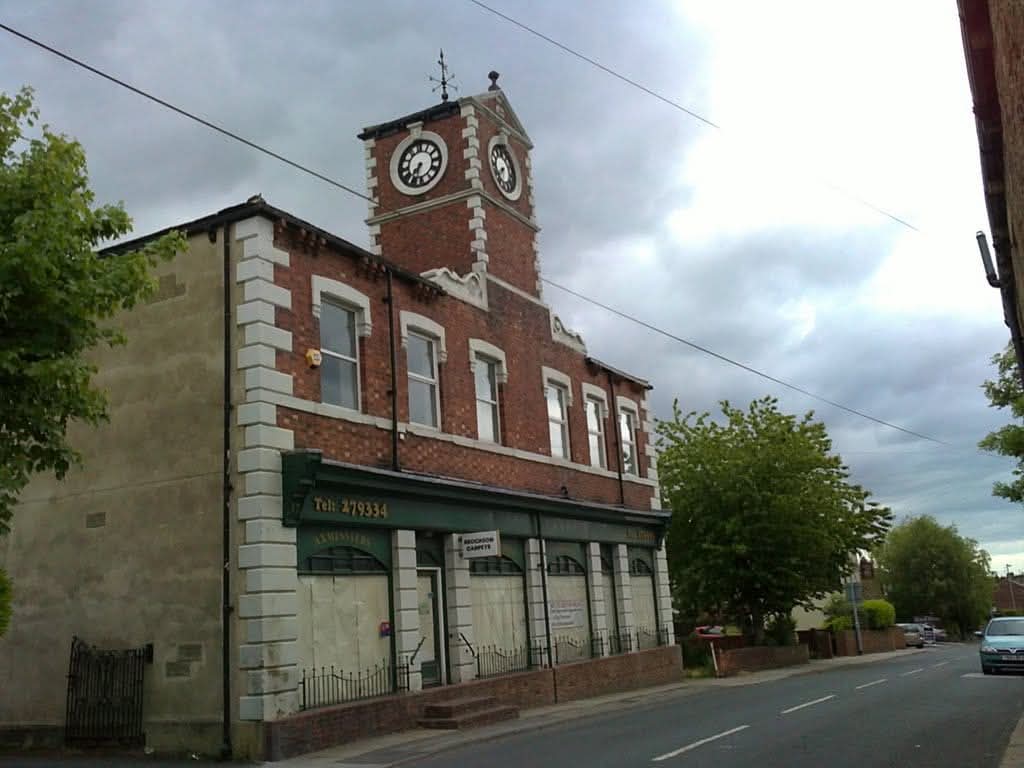
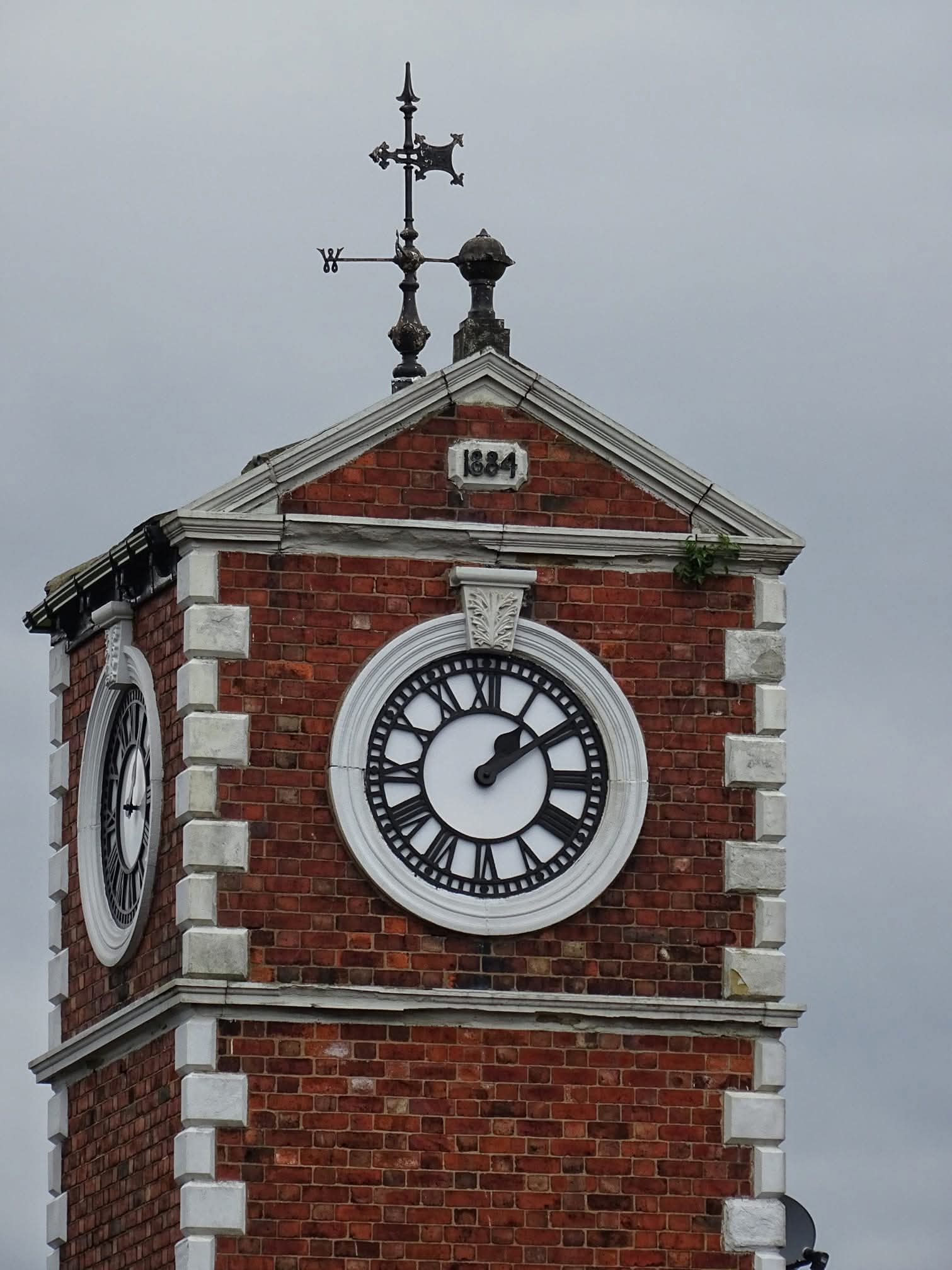
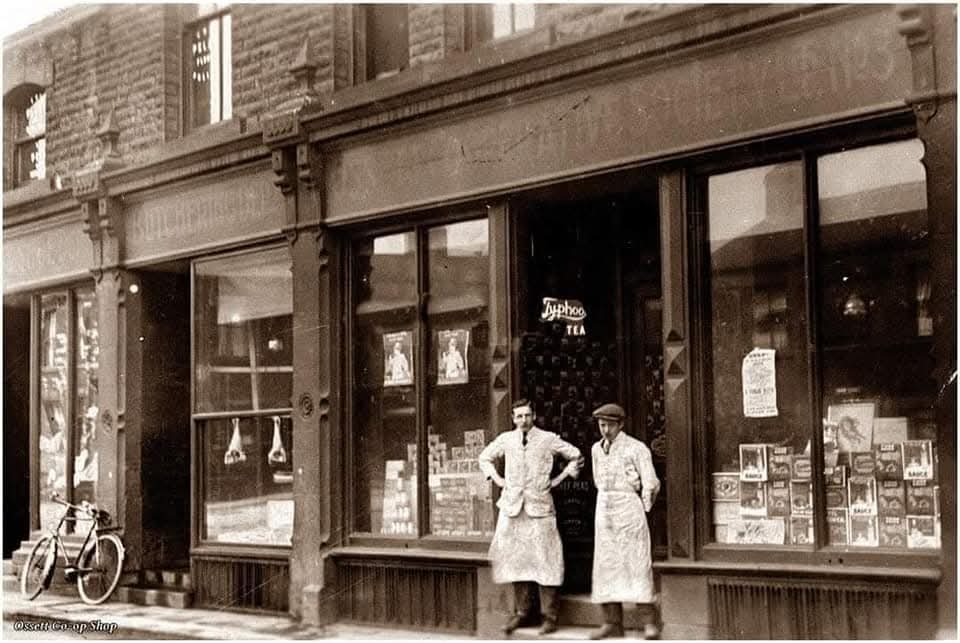
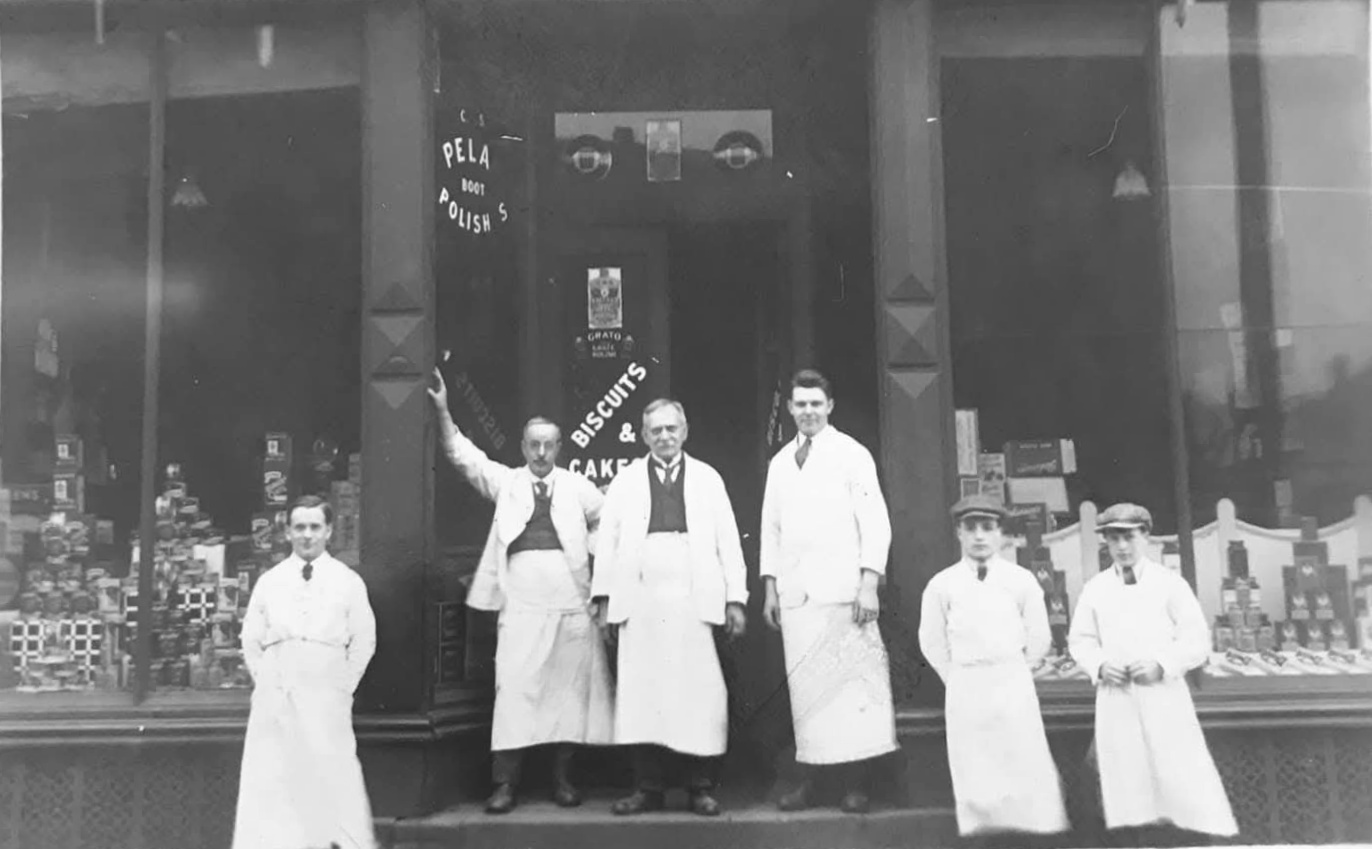
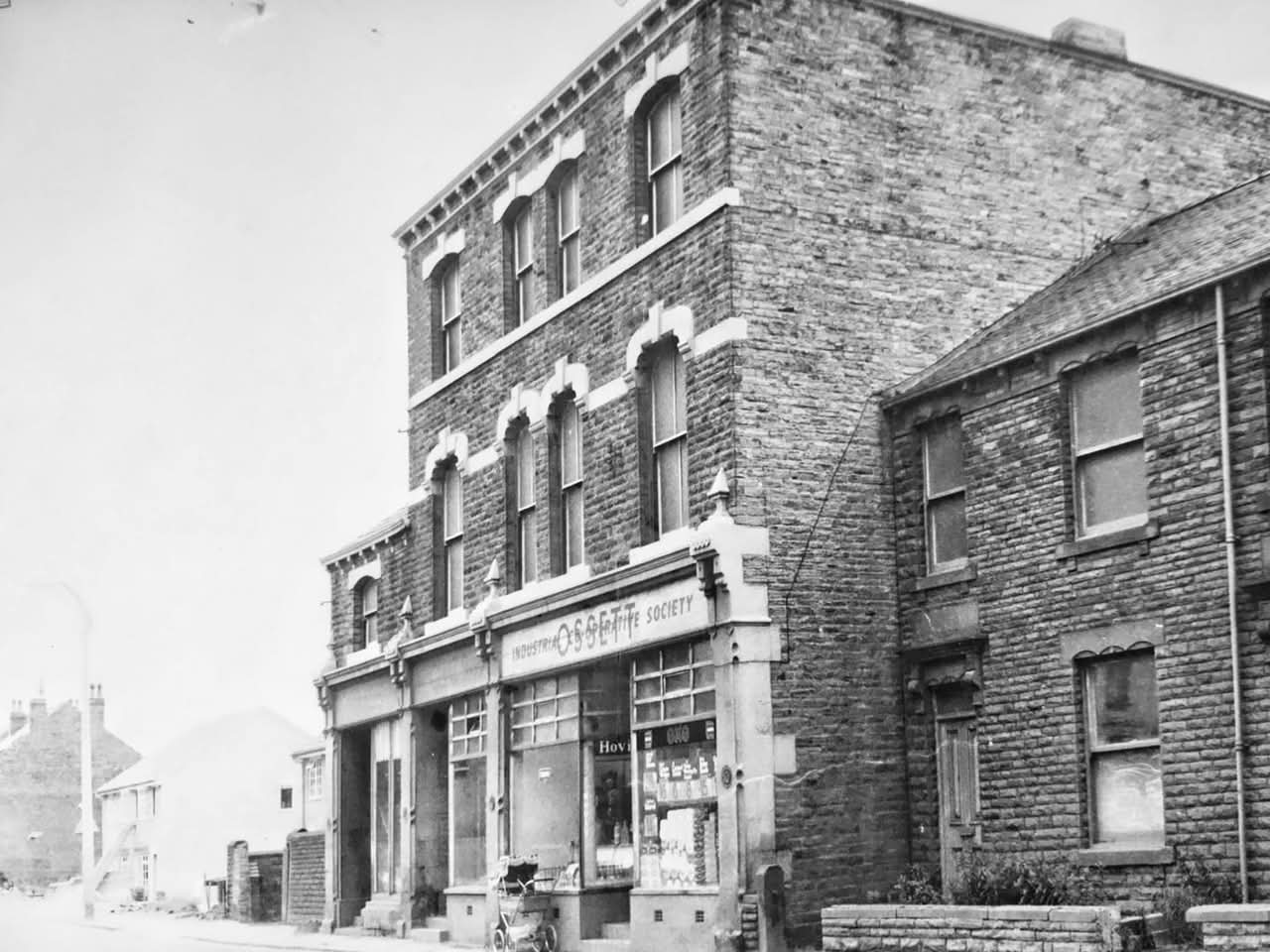
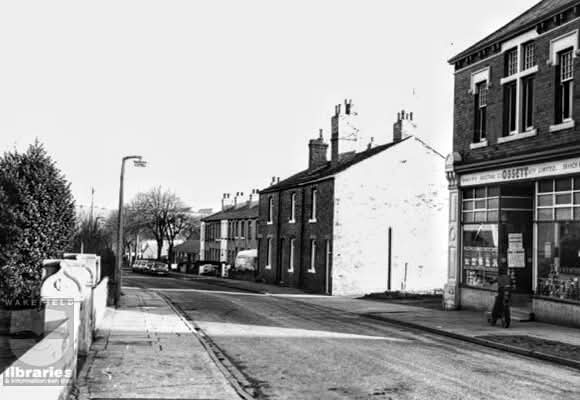
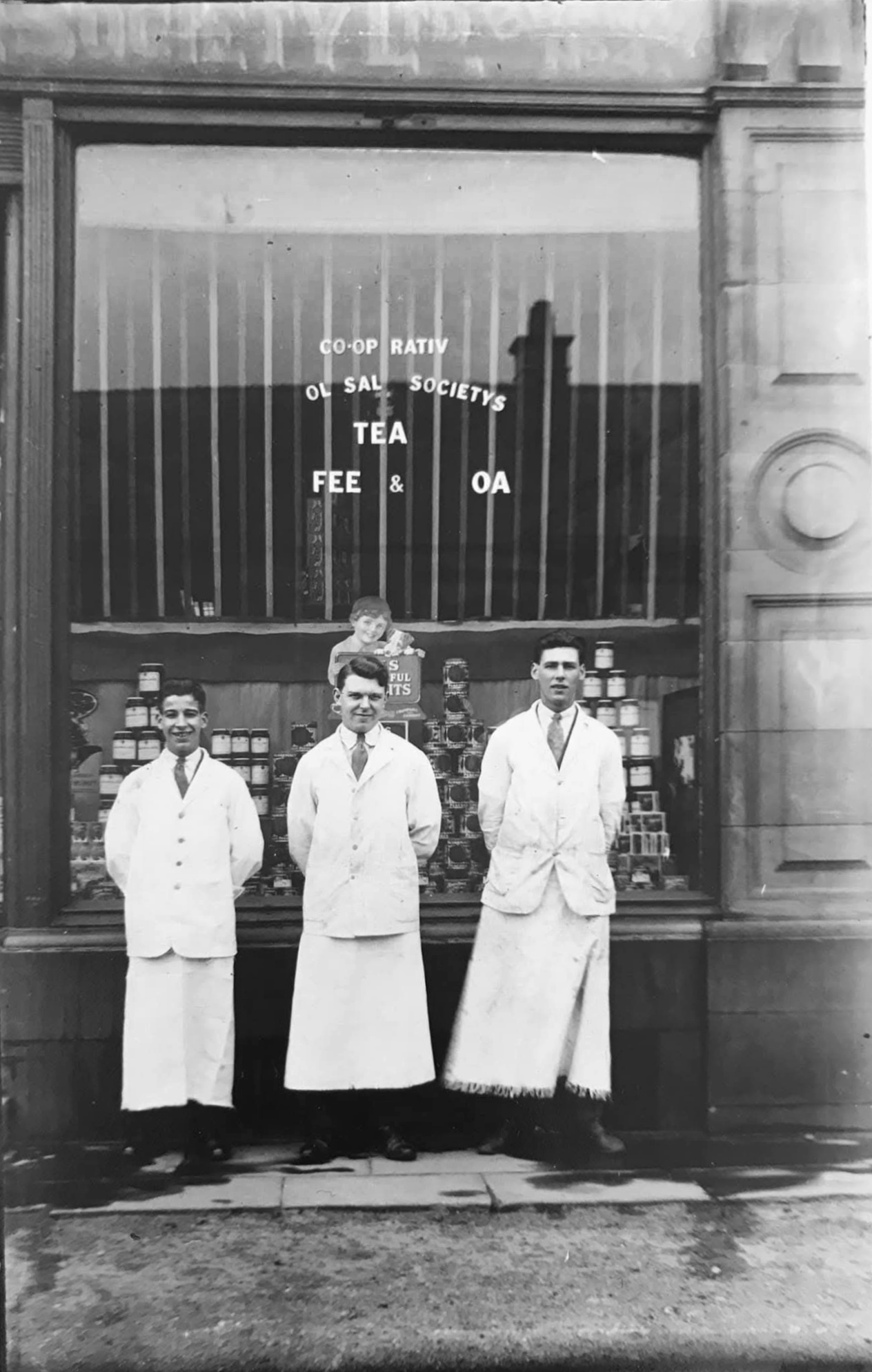
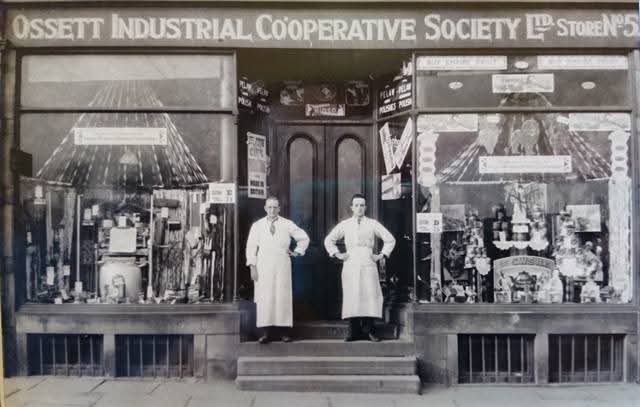
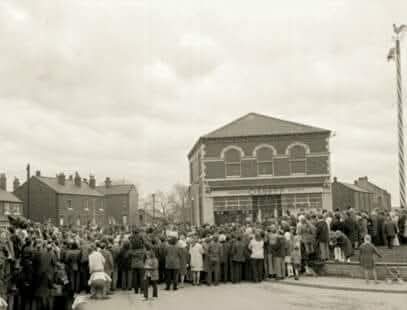
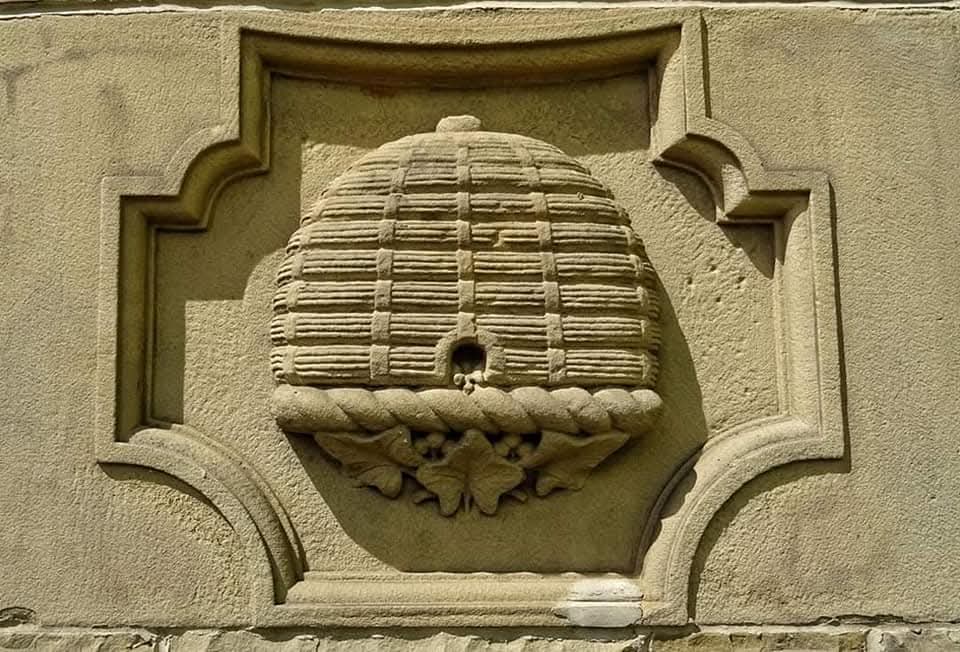
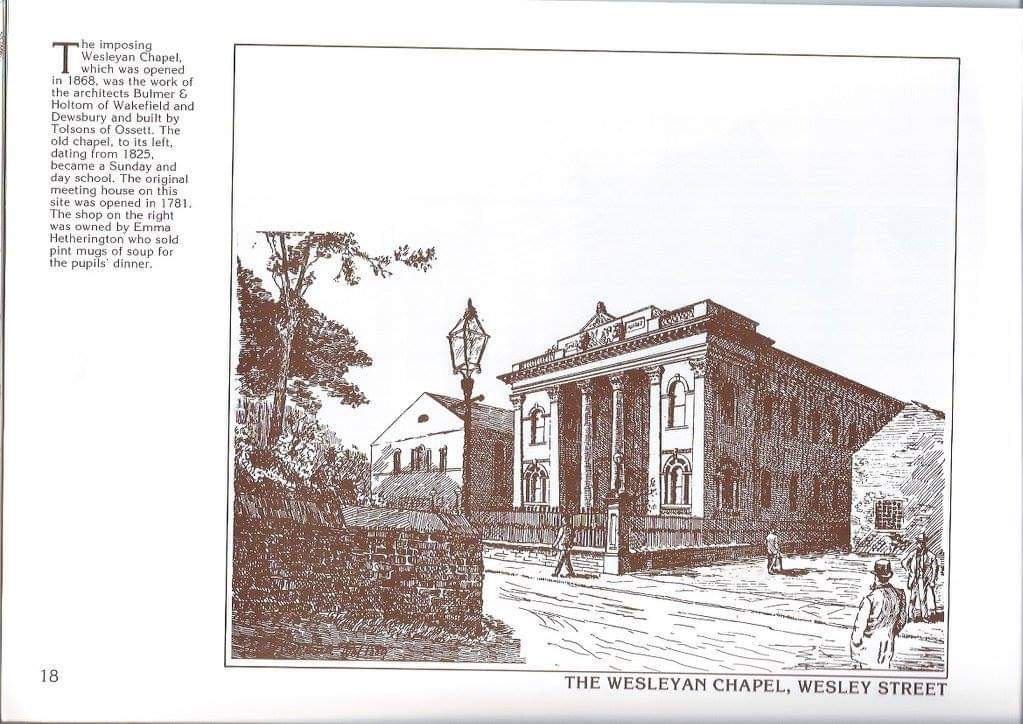
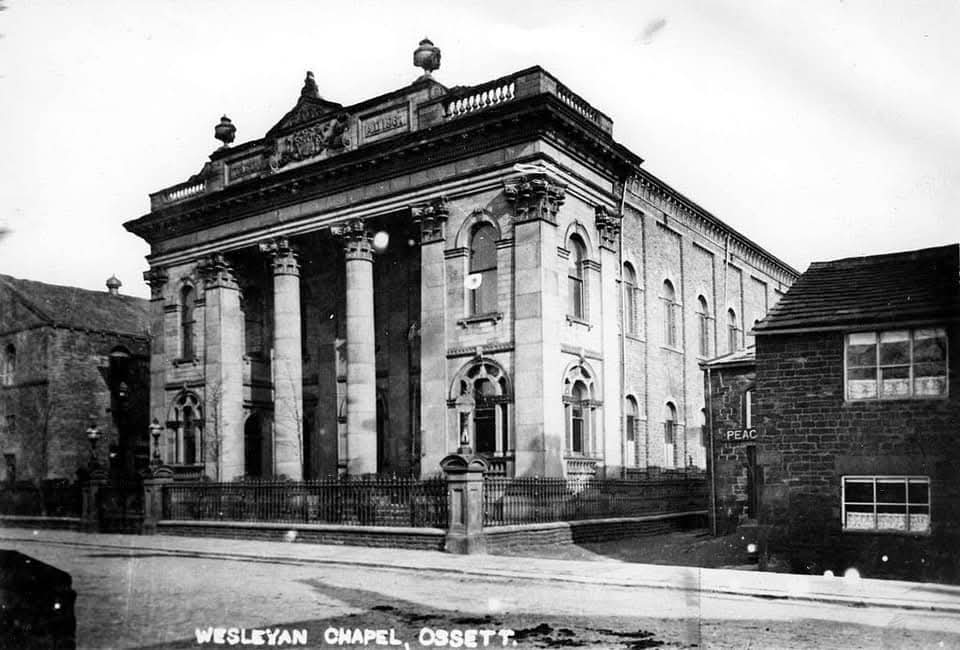
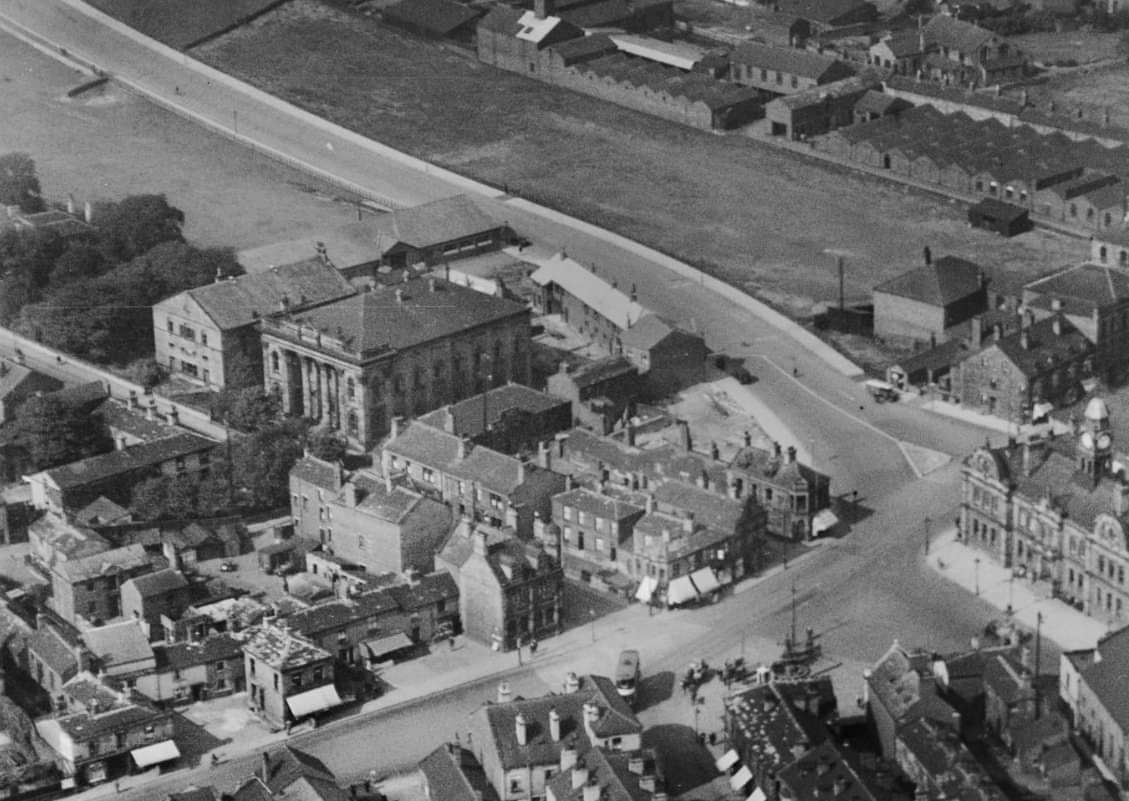

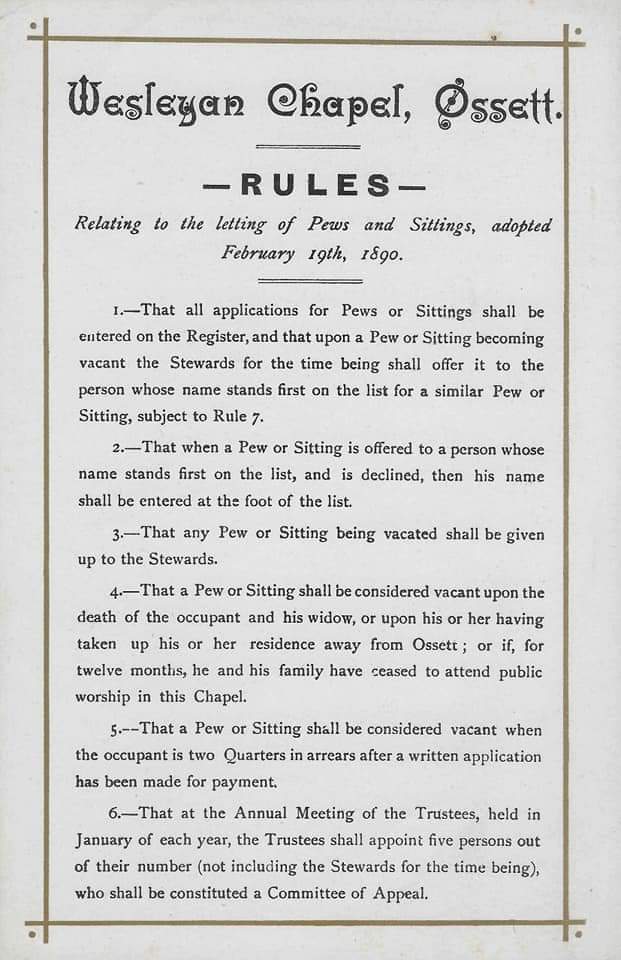
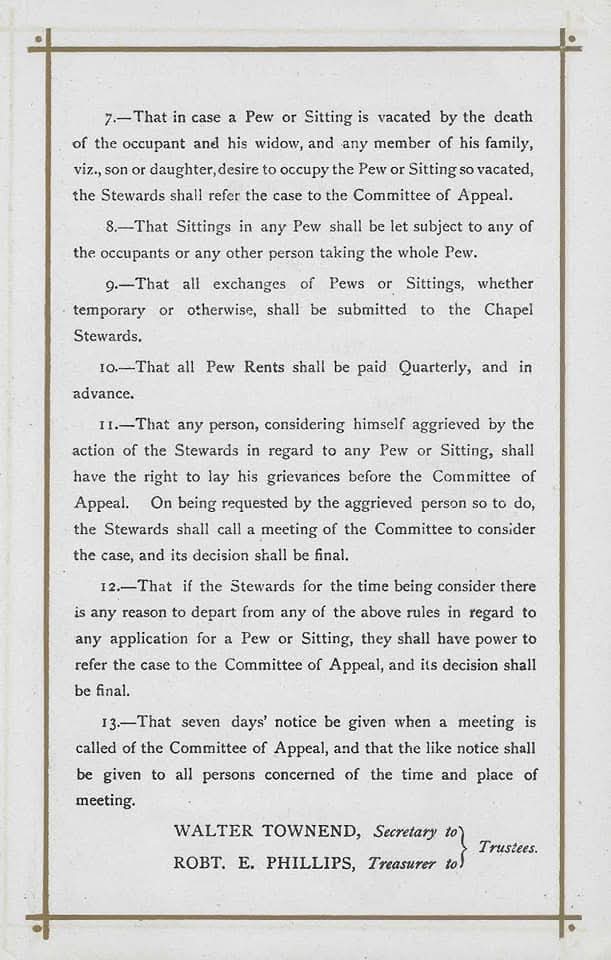
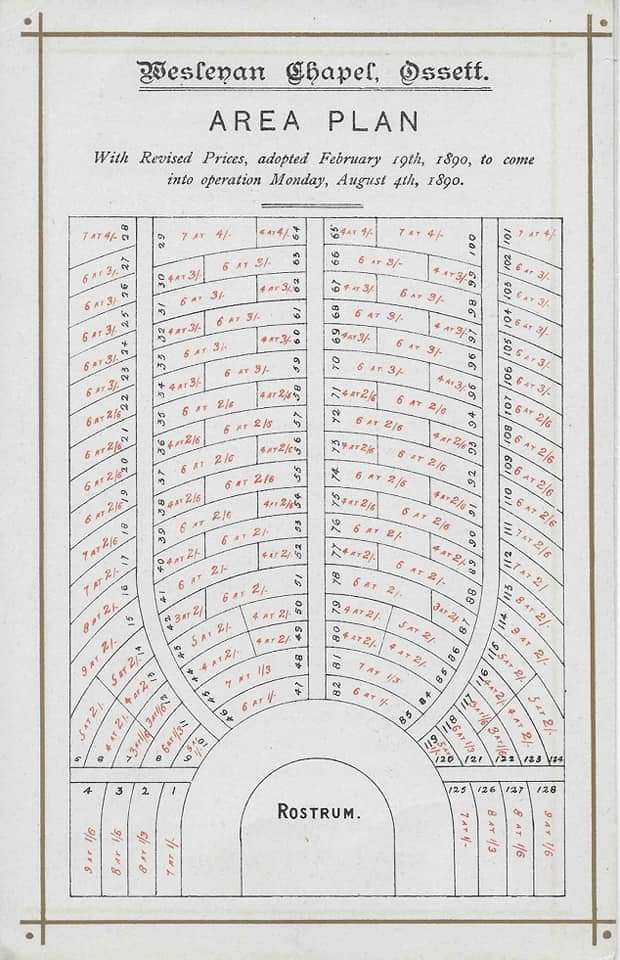
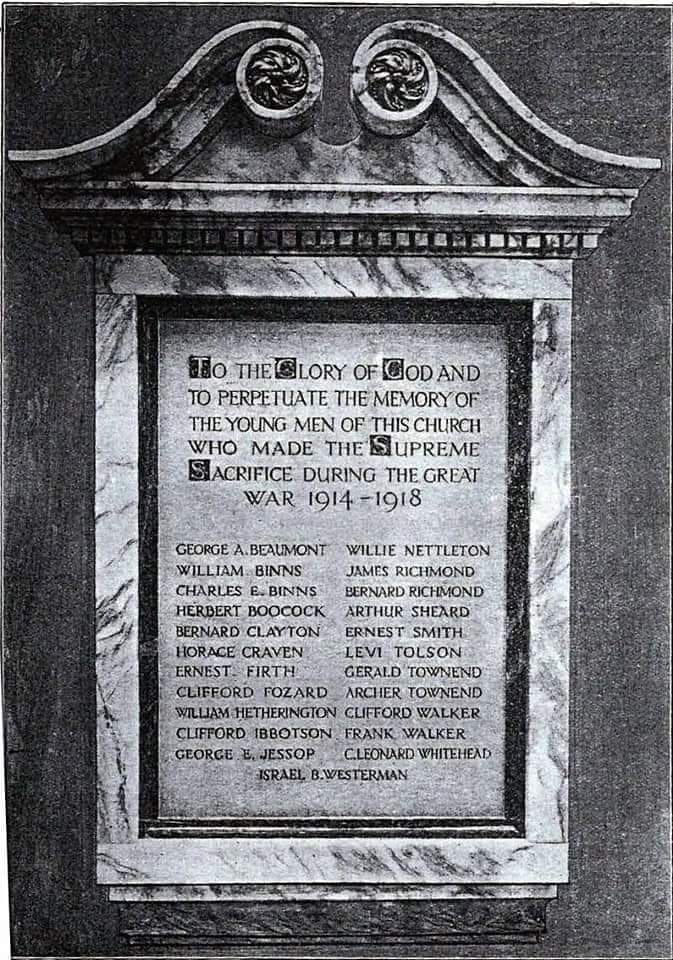

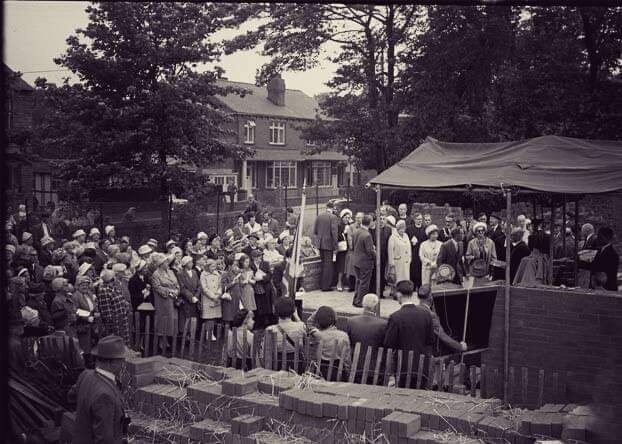
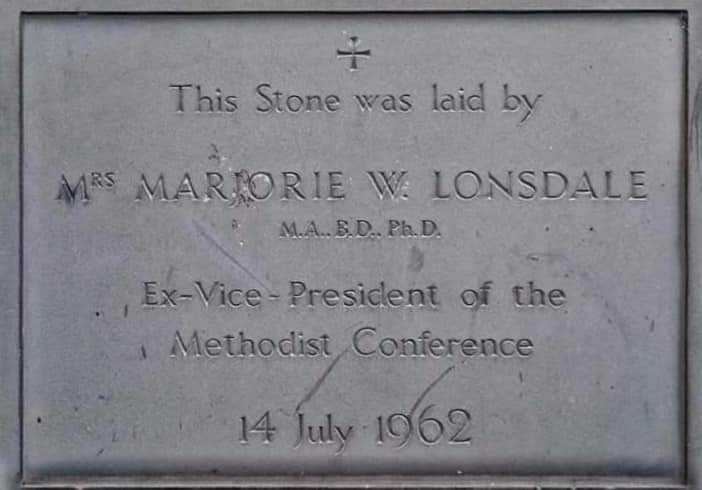
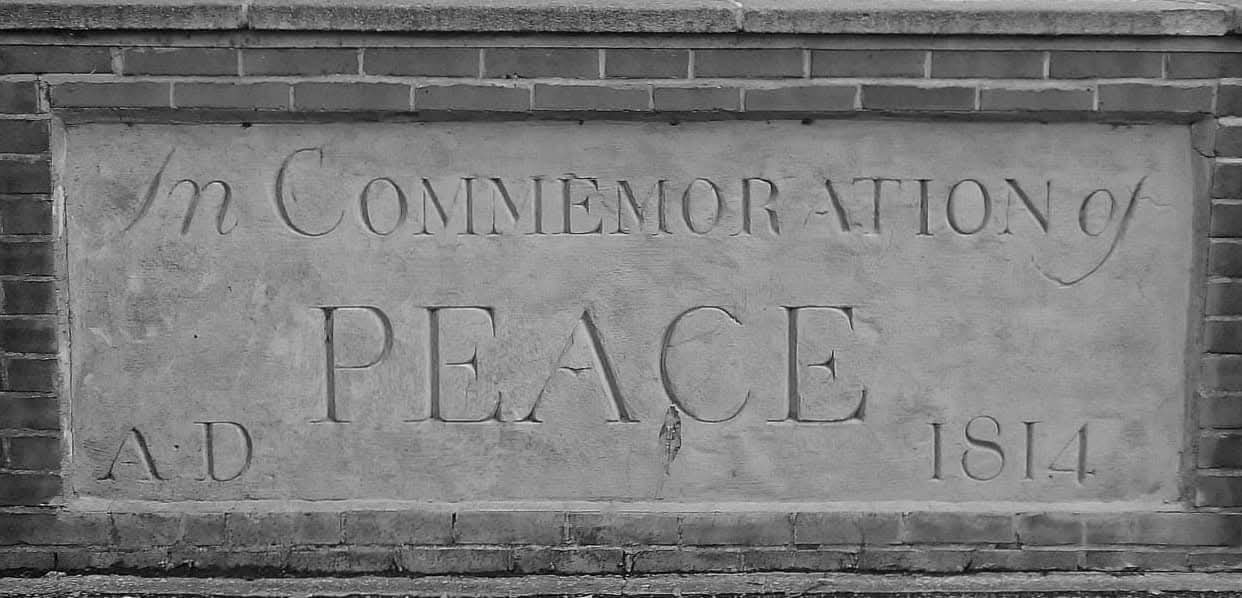
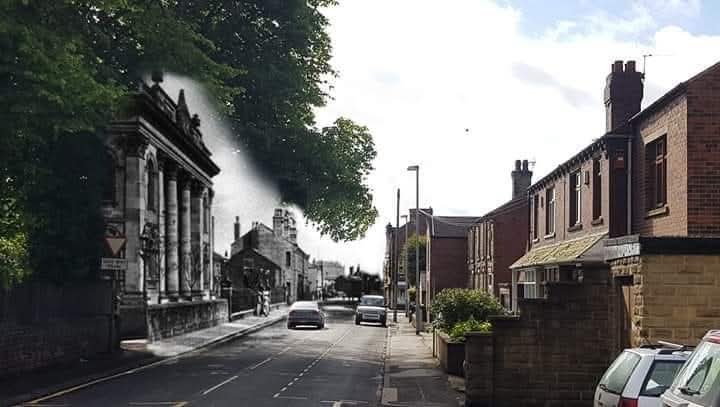
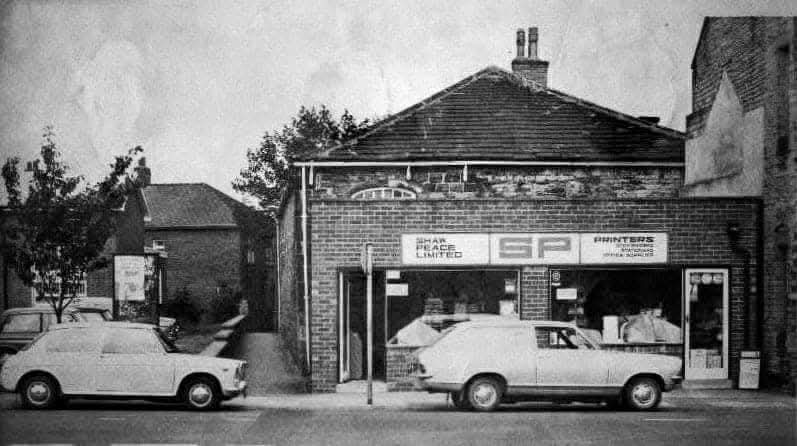
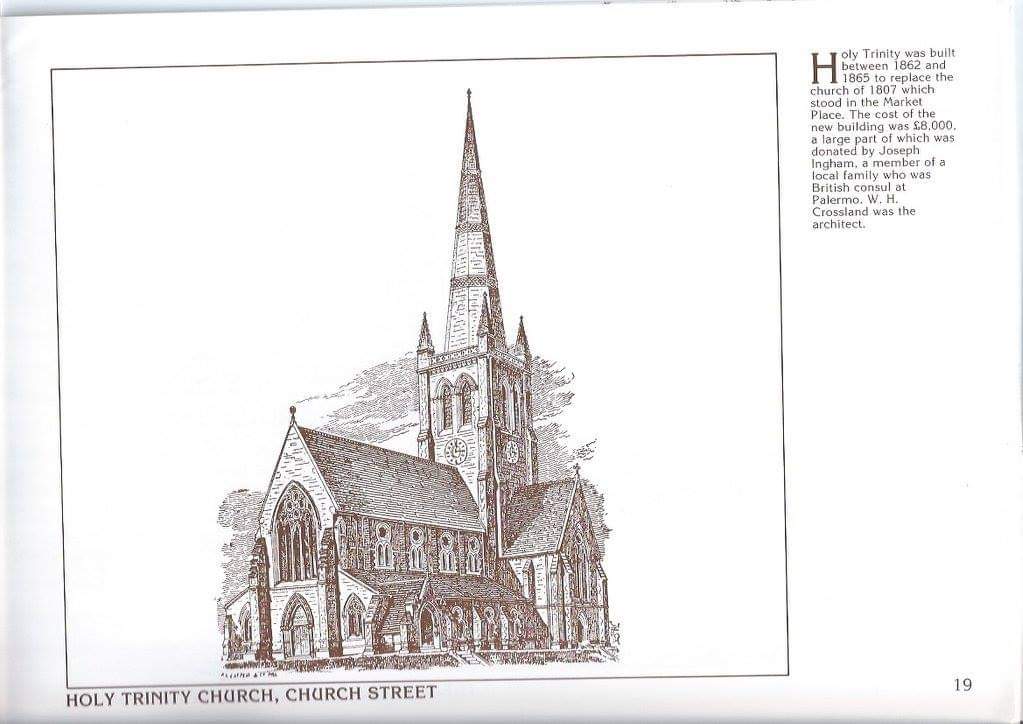
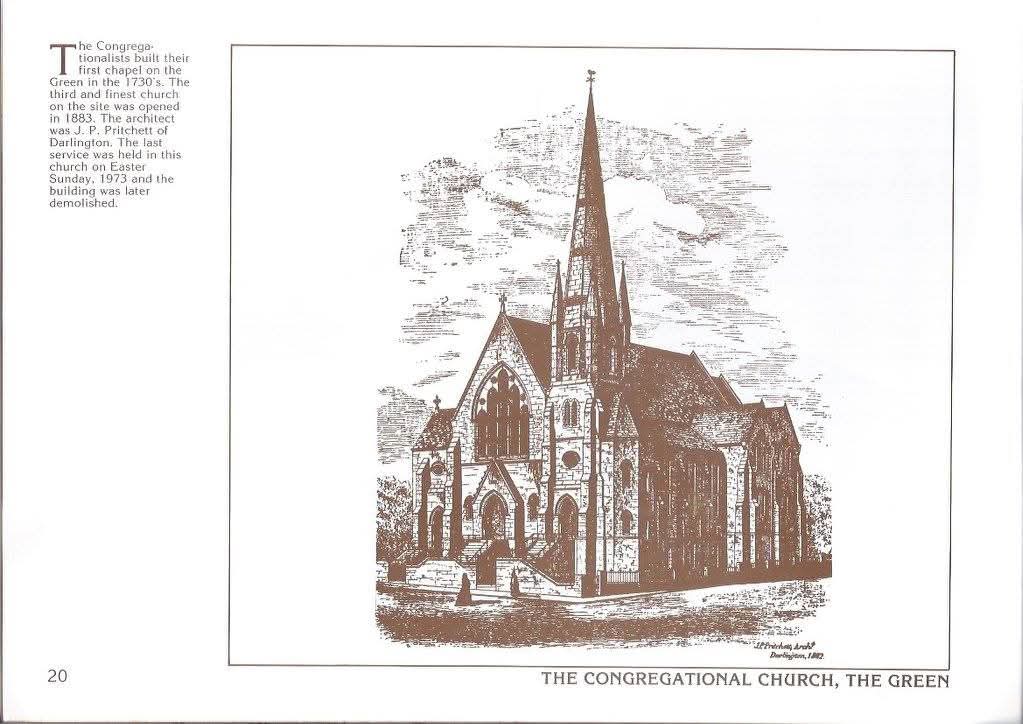


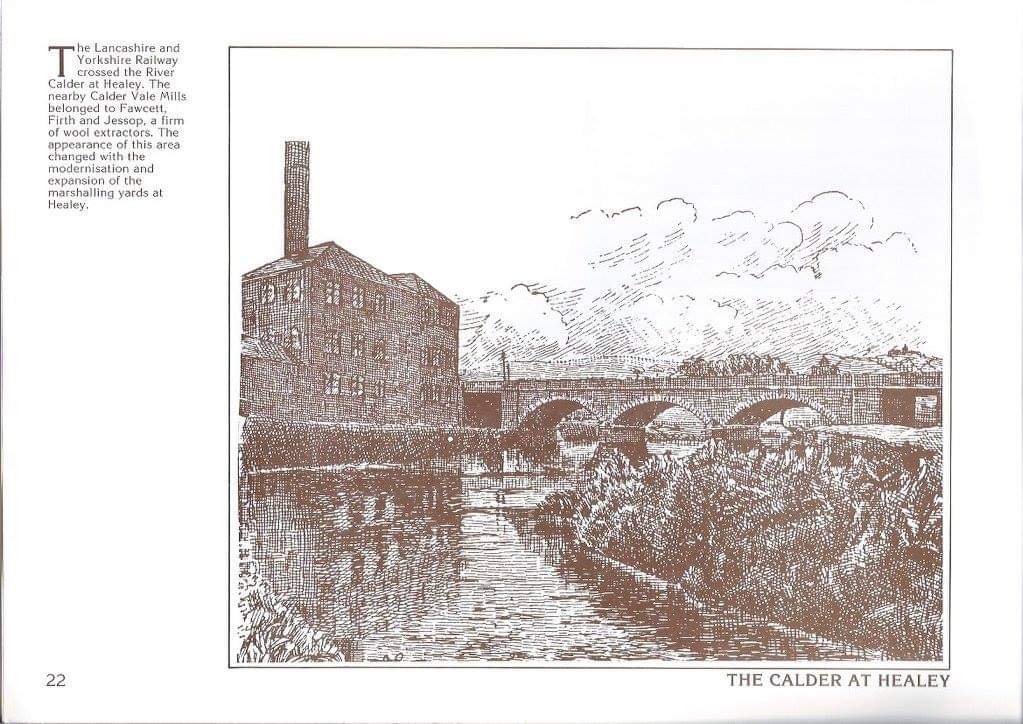
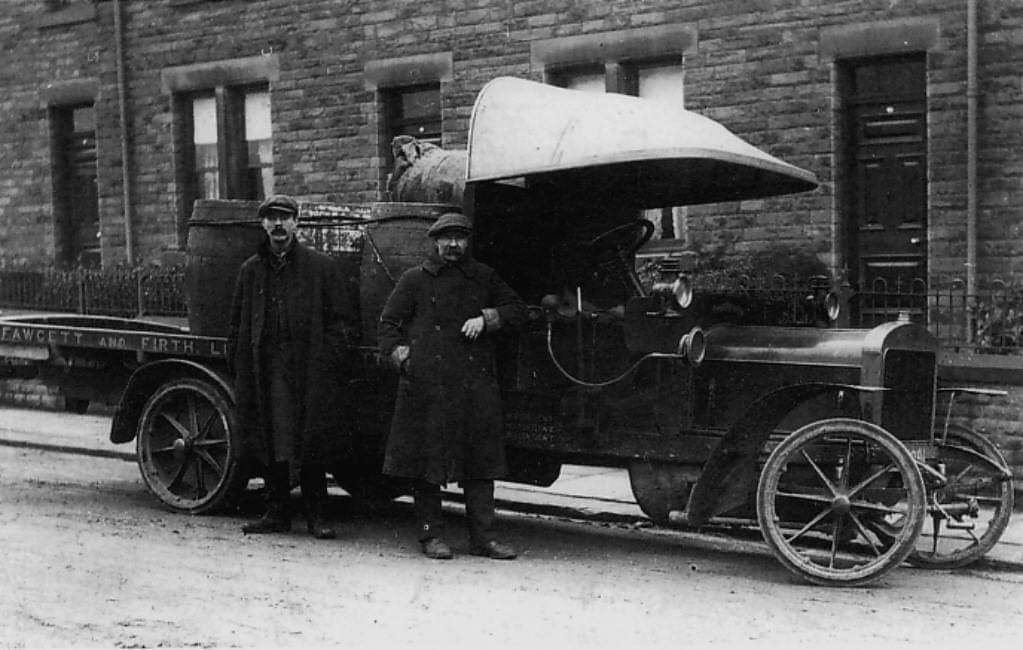
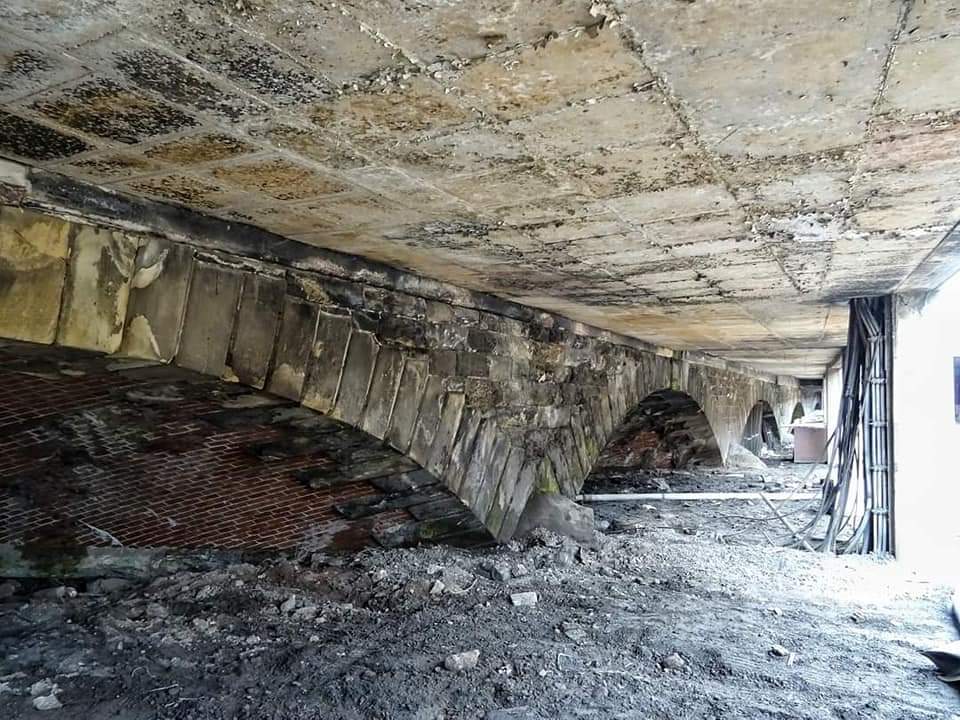
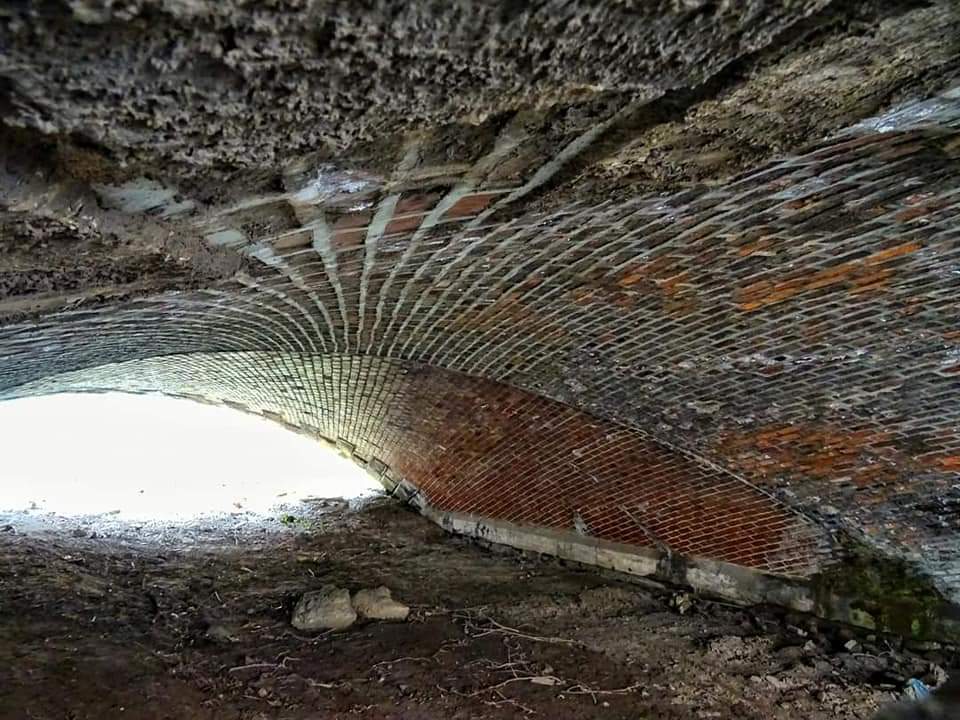
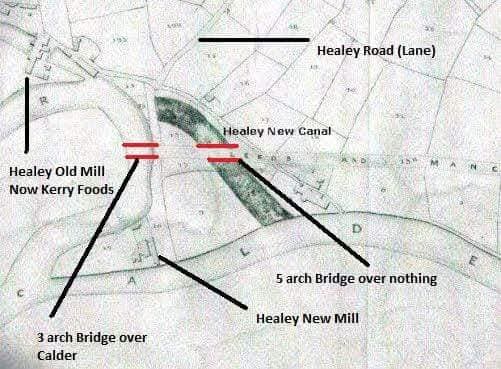
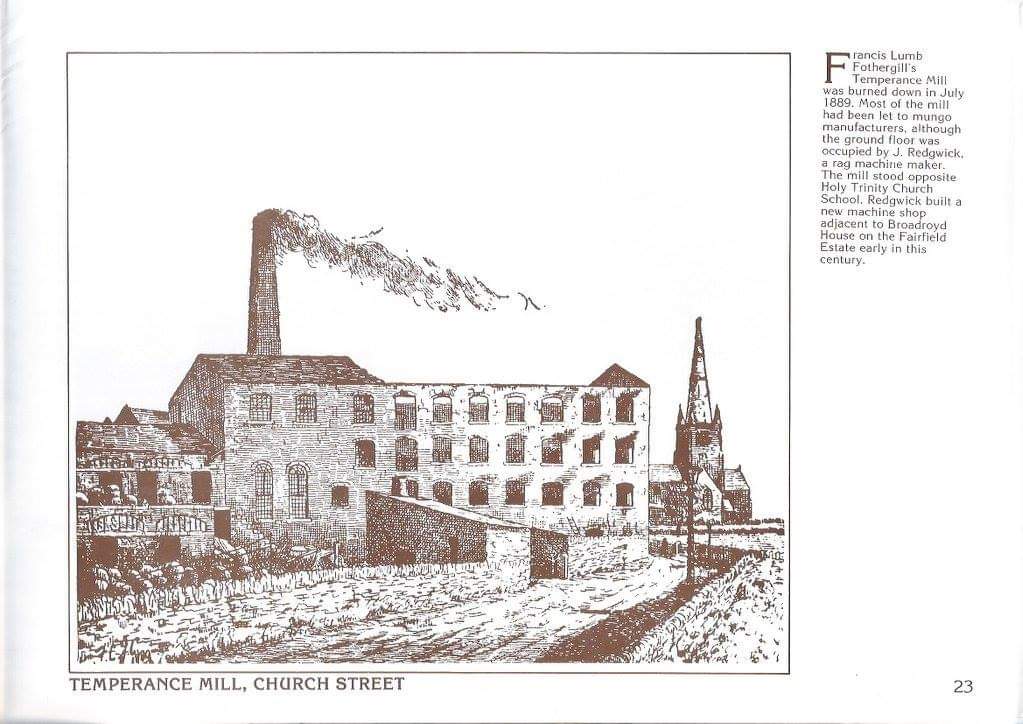
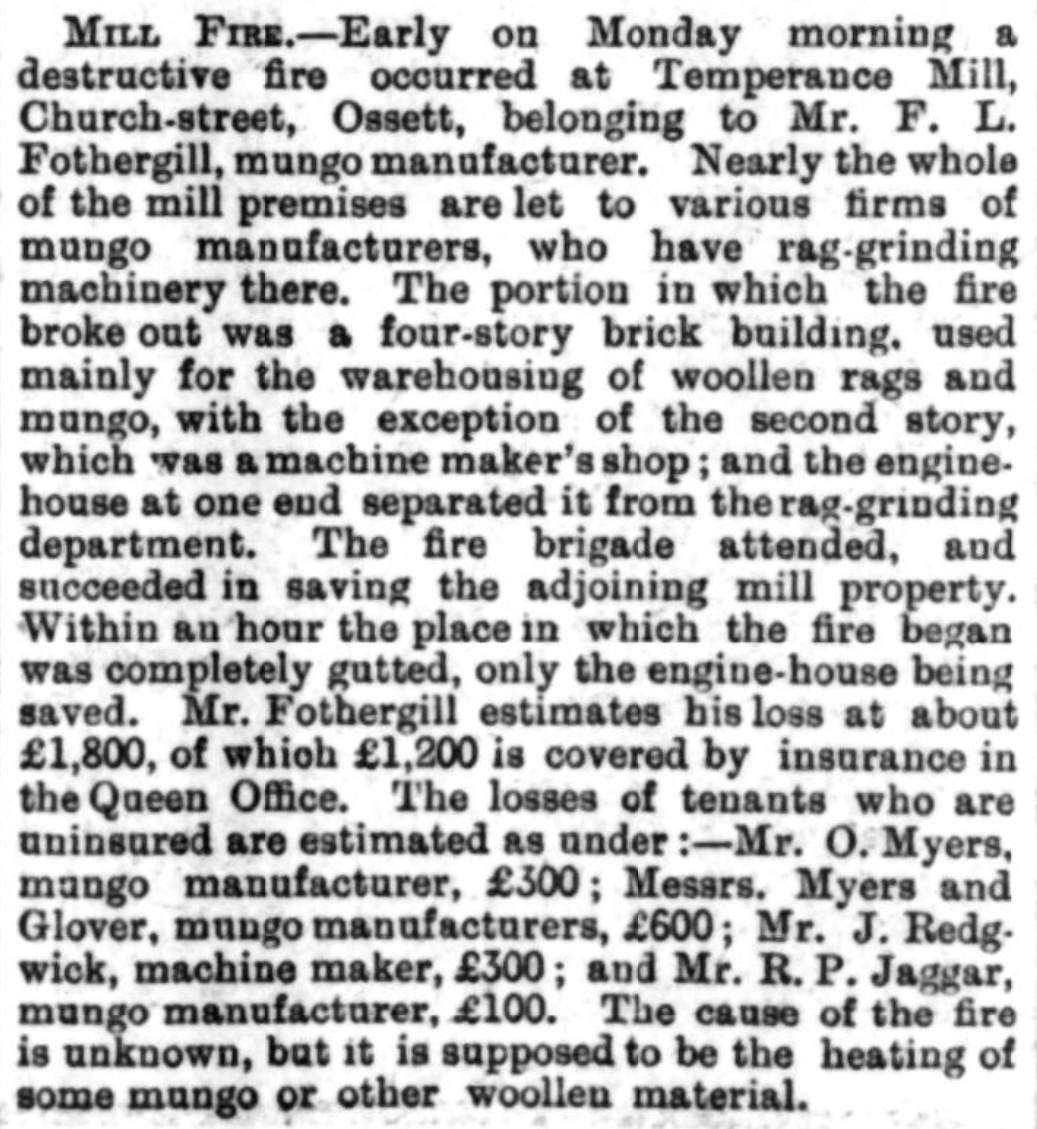
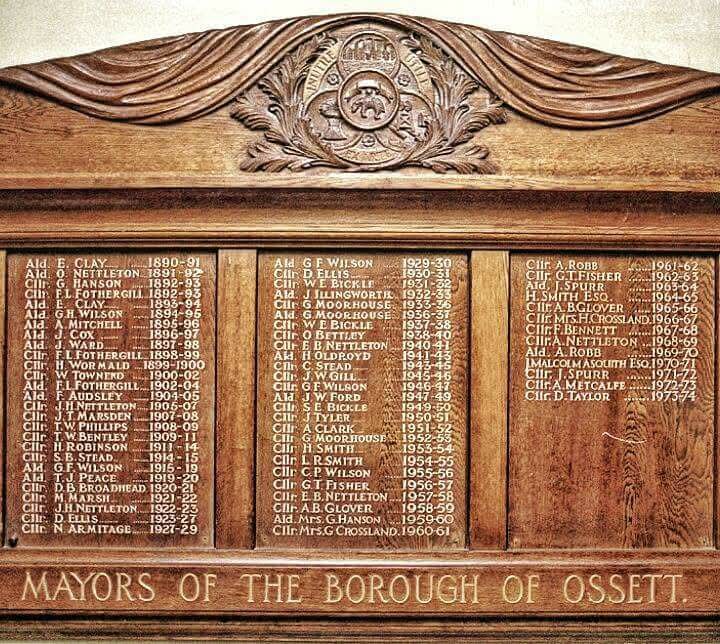

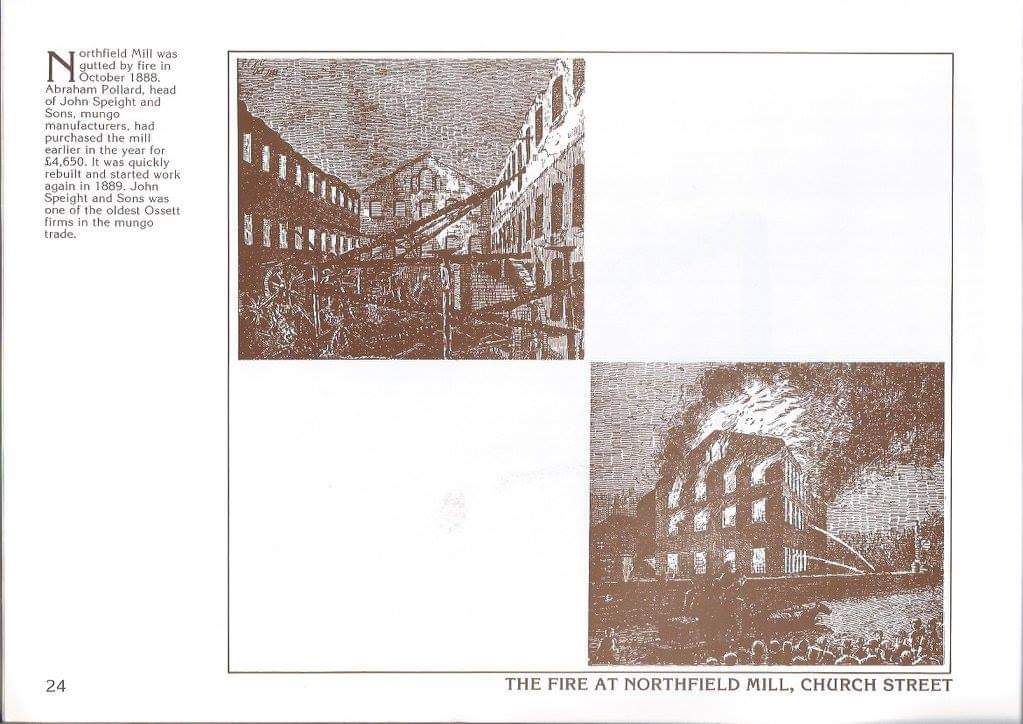
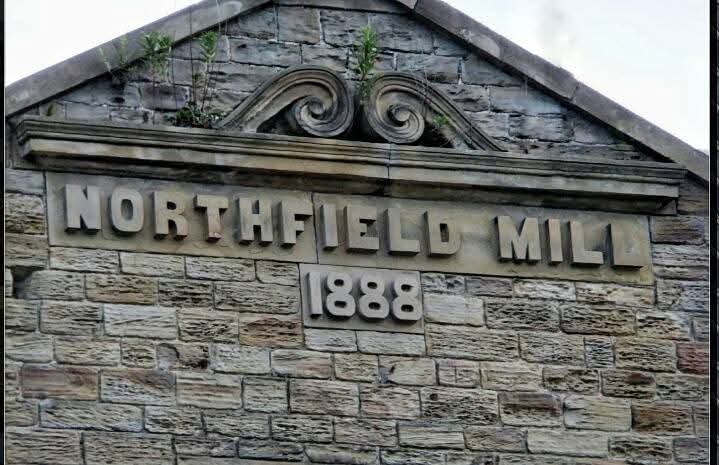
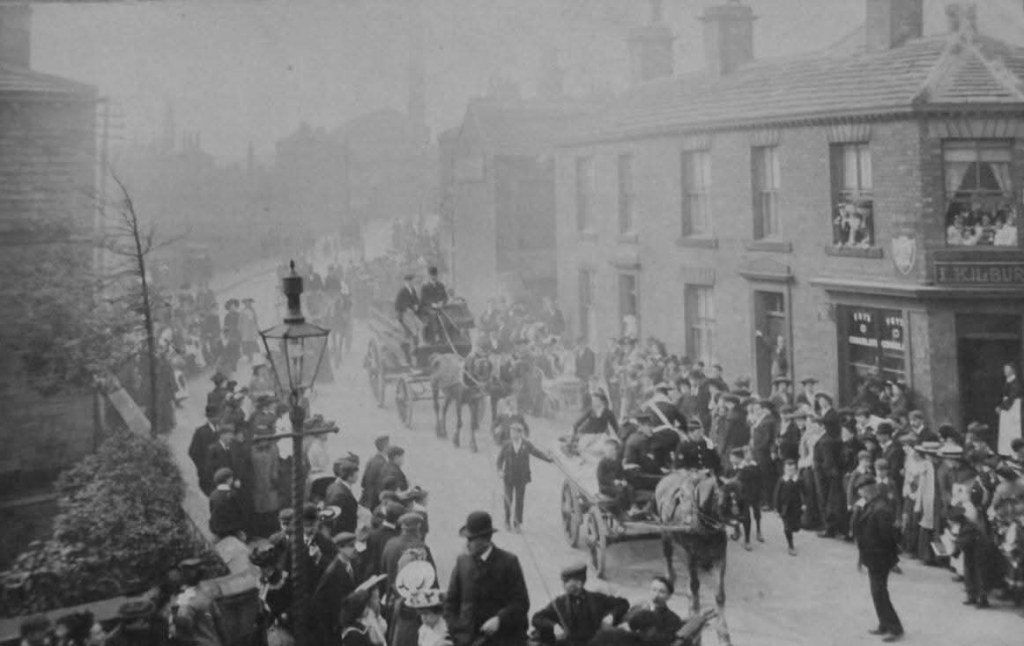
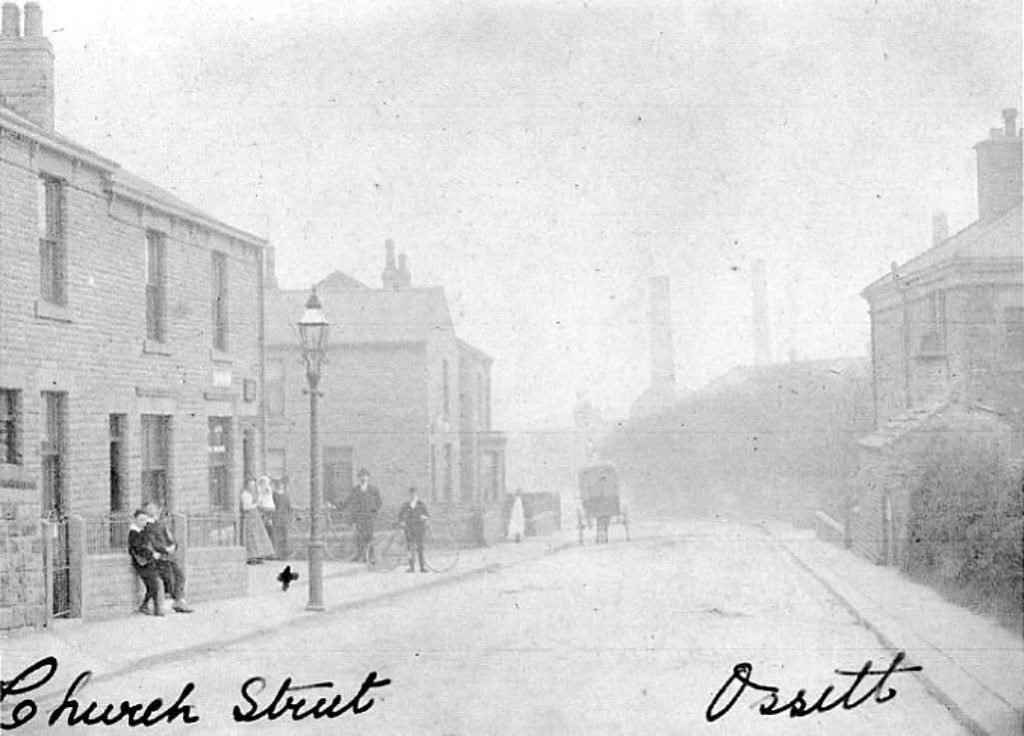

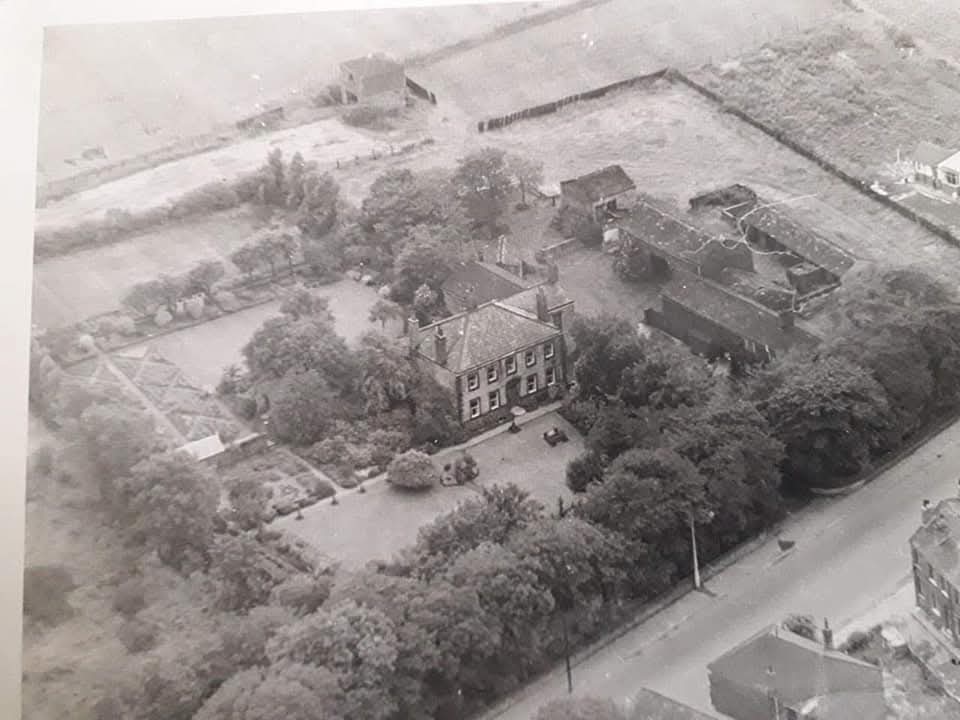


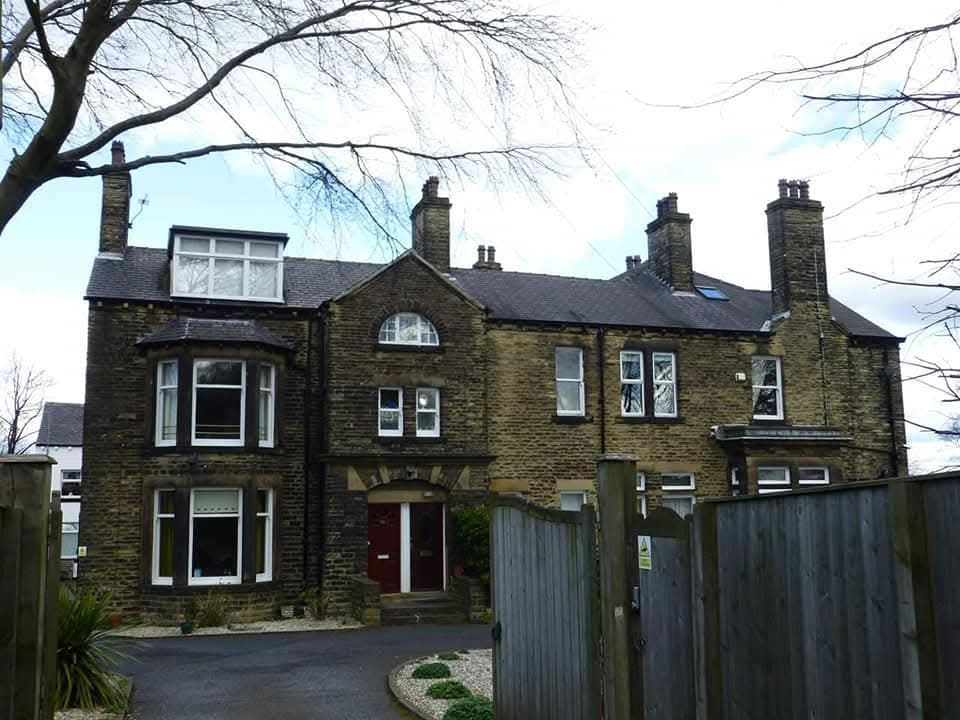
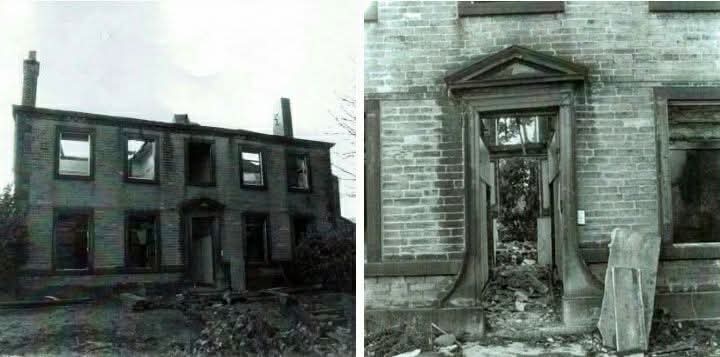
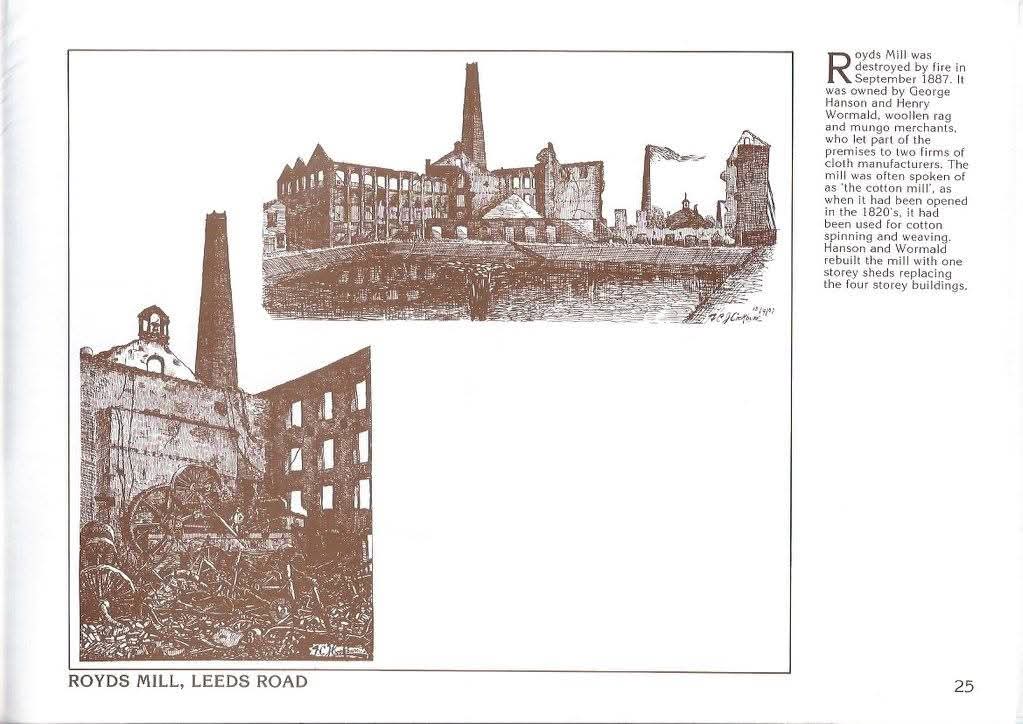

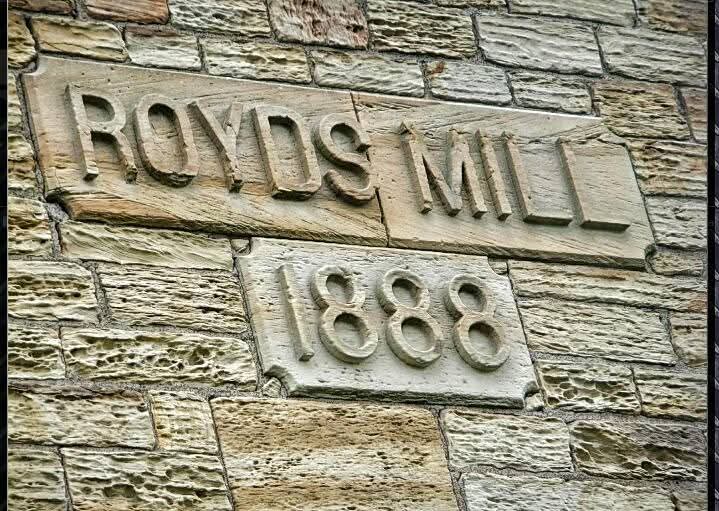
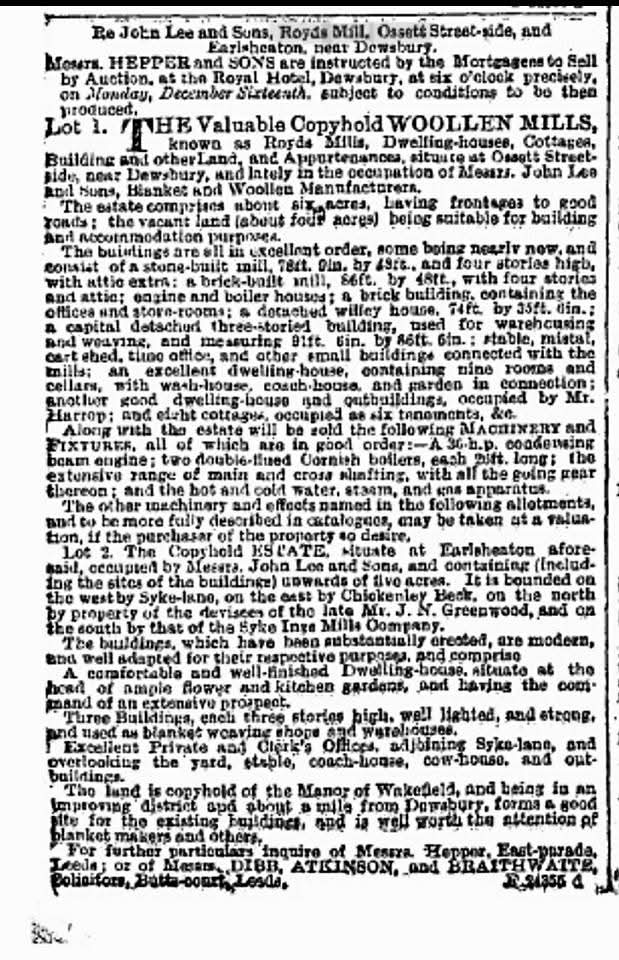

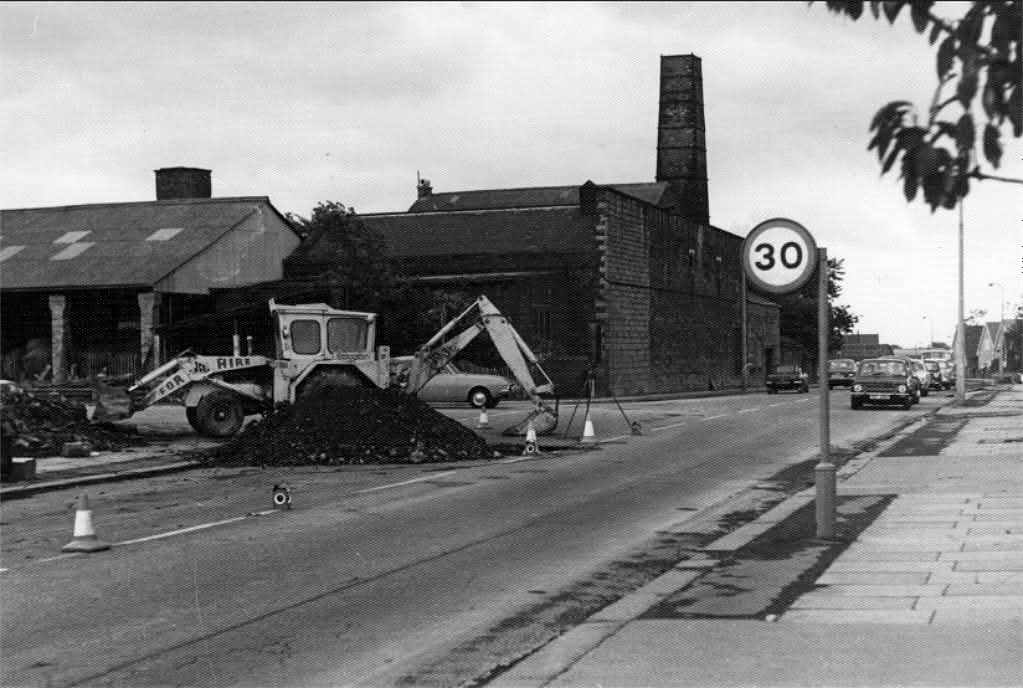
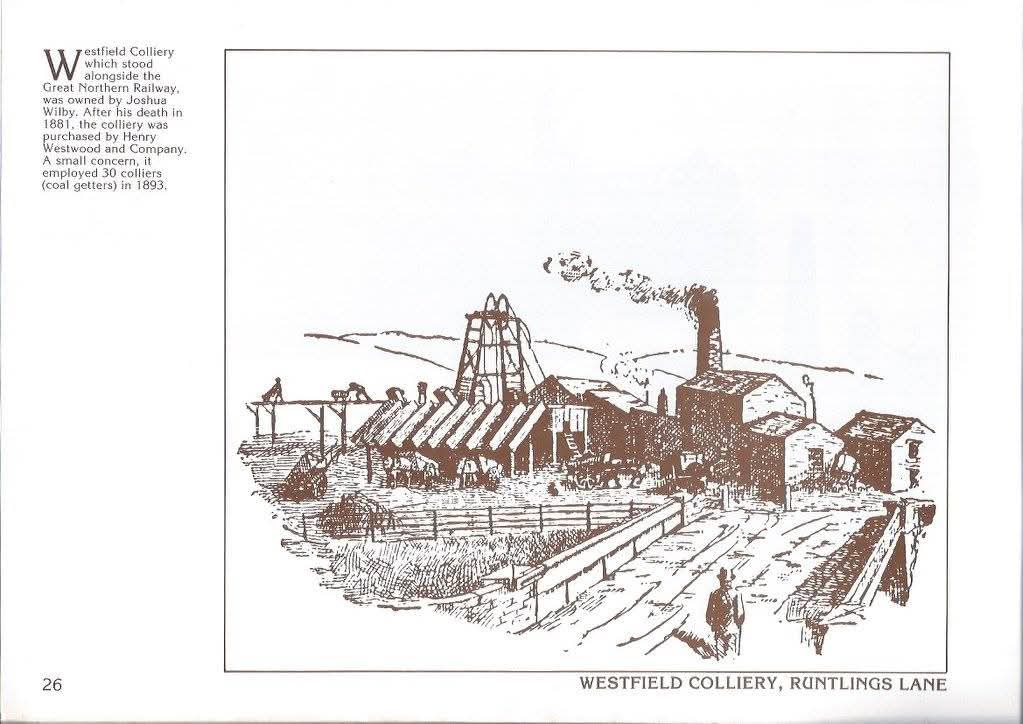
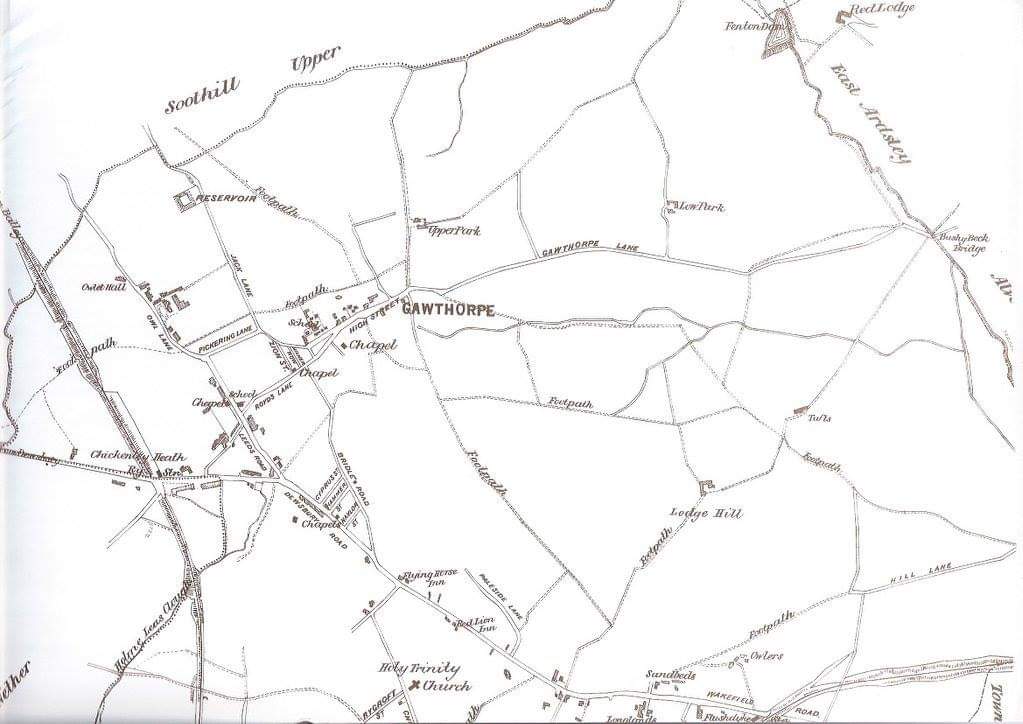
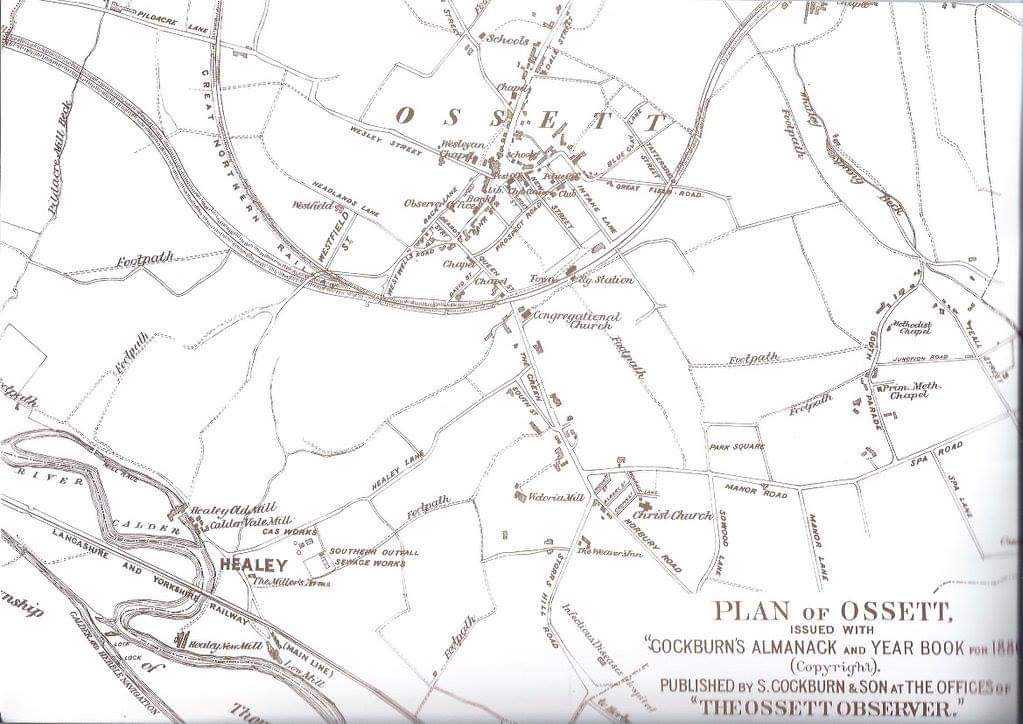

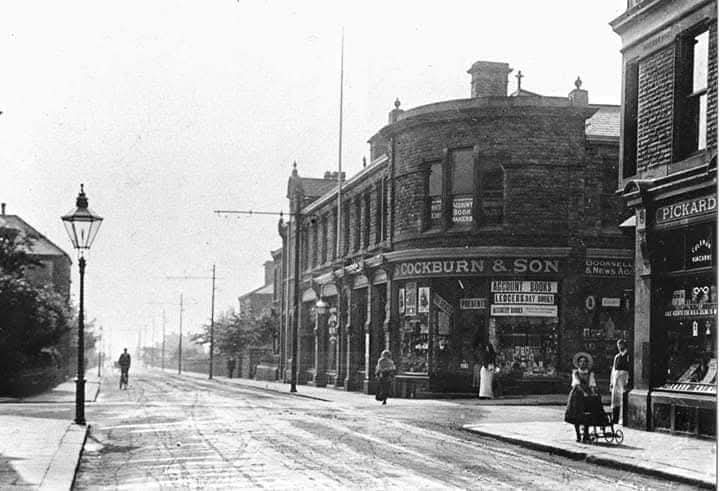
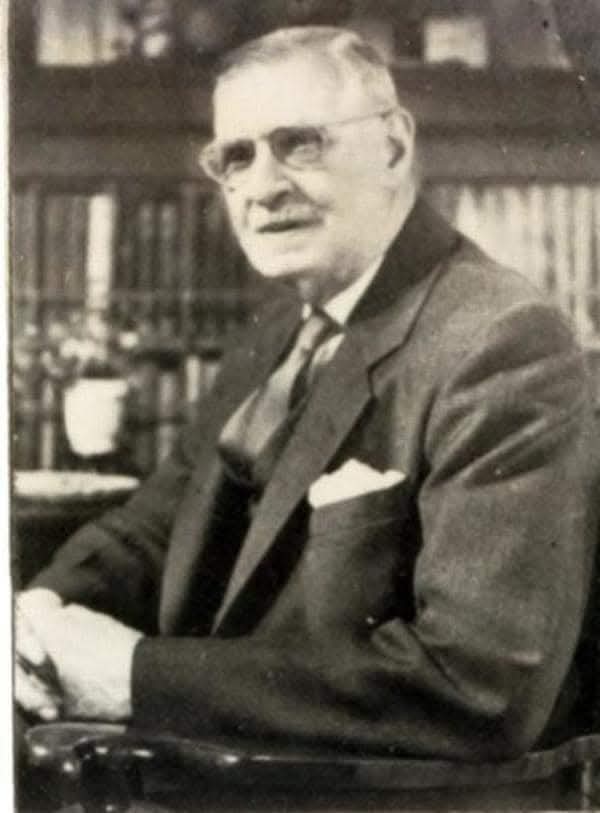


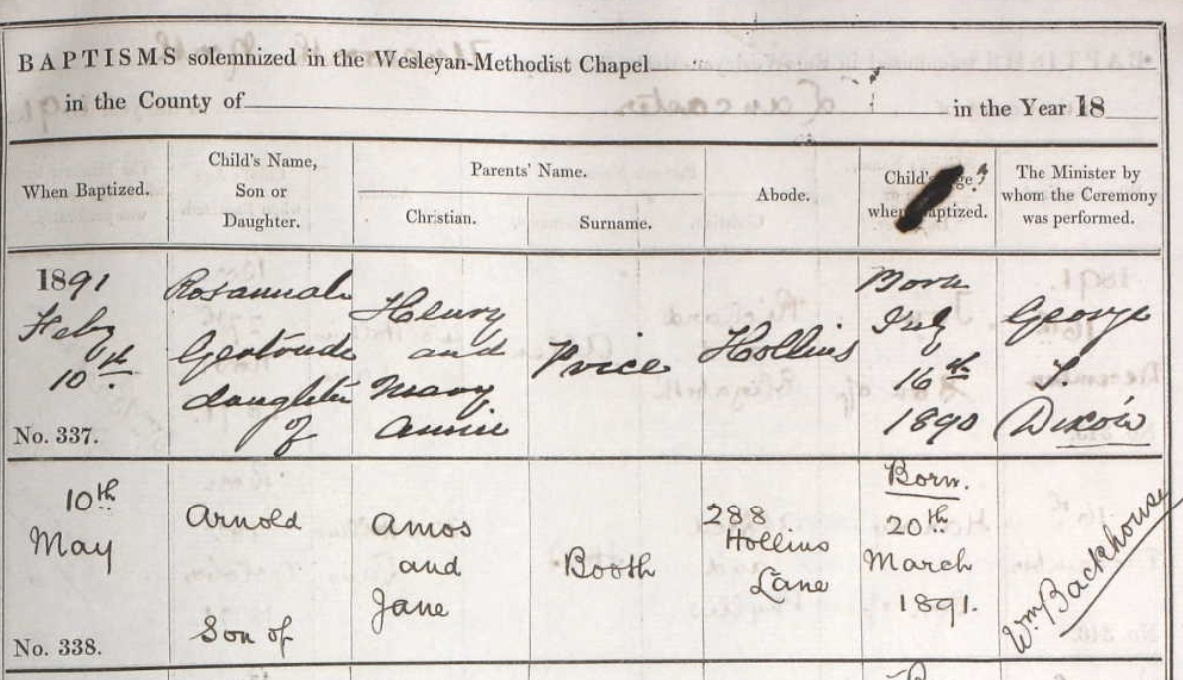
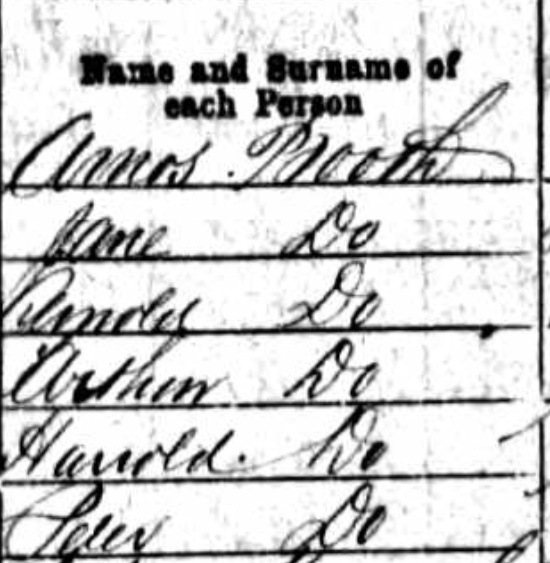
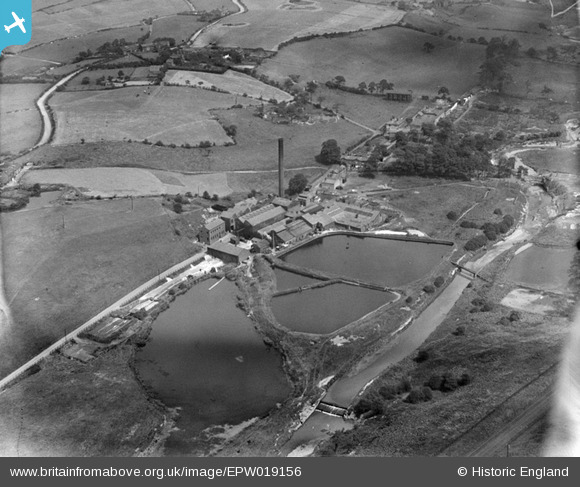
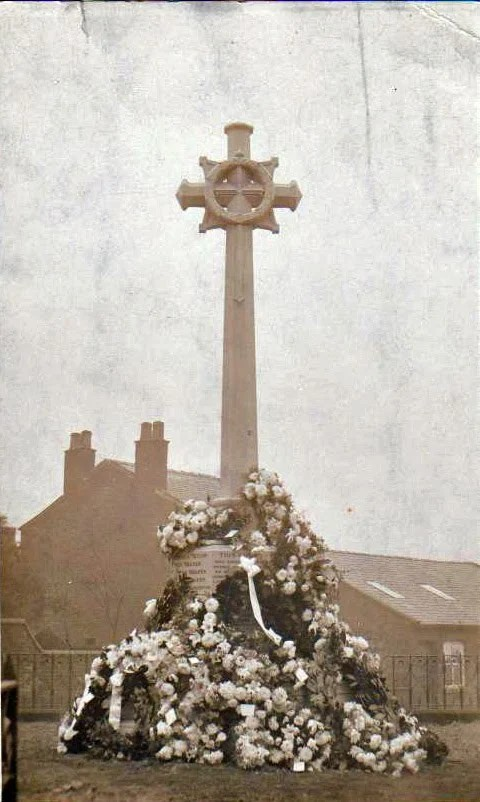



 HORBURY & OSSETT FAMILY & LOCAL HISTORY
You must be logged in to post a comment.